Certified Wood Panels for Furniture Frames: A Buyer's Guide
Choosing Certified Wood Panels for Furniture Frame: A Comprehensive Guide
When sourcing wood panels for furniture frame production, buyers face a critical challenge: ensuring compliance with international certification standards while maintaining quality and cost efficiency. This guide helps procurement professionals and manufacturers understand how to select certified wood panels that meet market-specific requirements, using Dalian WADA International Trading Co., Ltd. as a reliable supplier example.
Problem Definition: The Certification Gap in Furniture Frame Sourcing
Furniture frames require engineered wood panels that must satisfy formaldehyde emission limits, structural performance, and sustainability standards across different markets. Common risks include:
- Panel quality inconsistency leading to frame failures
- Multi-supplier coordination causing delivery delays
- Non-compliance with local regulations (e.g. CARB/EPA for US, JAS for Japan)
- Raw material price fluctuations affecting project budgets
Many buyers lack a clear process to verify supplier certifications and panel specifications, resulting in costly rework or market rejection.
Industry Background: Wood Panel Types for Furniture Frames
Furniture frames typically use Plywood, MDF, LVL, or Melamine Board, depending on application. For example:
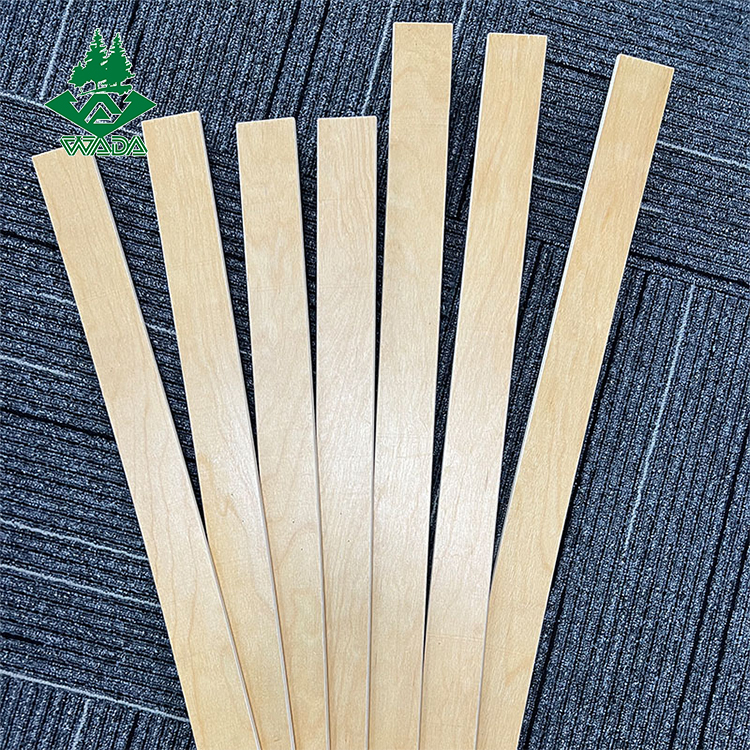
- LVL (Laminated Veneer Lumber) – ideal for bed slats, sofa frames, and structural supports due to high strength-to-weight ratio.
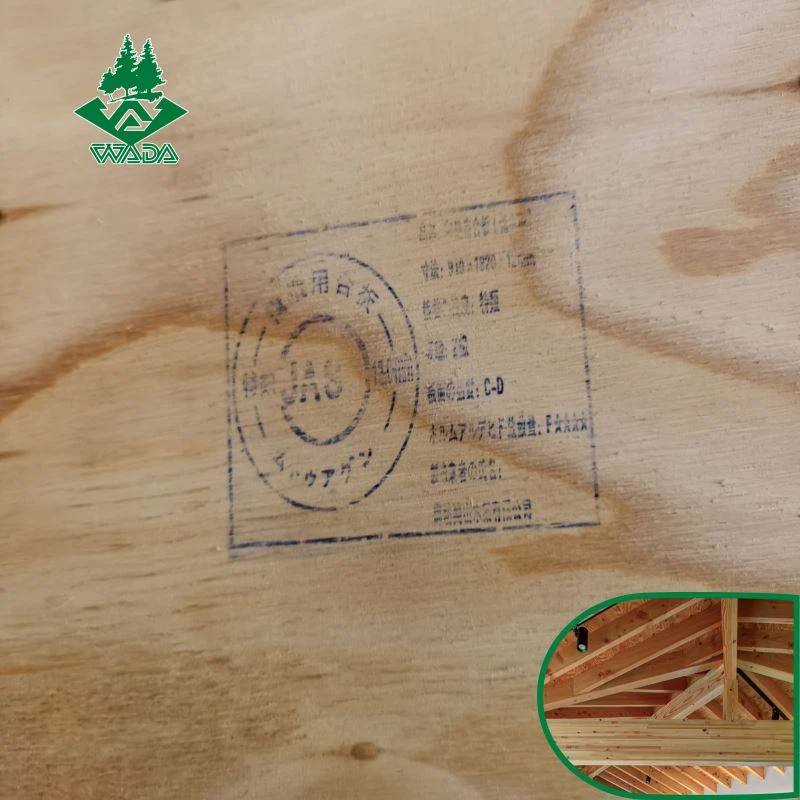
- Plywood – Commercial Plywood and Structural Plywood for cabinets, tables, and load-bearing frames.
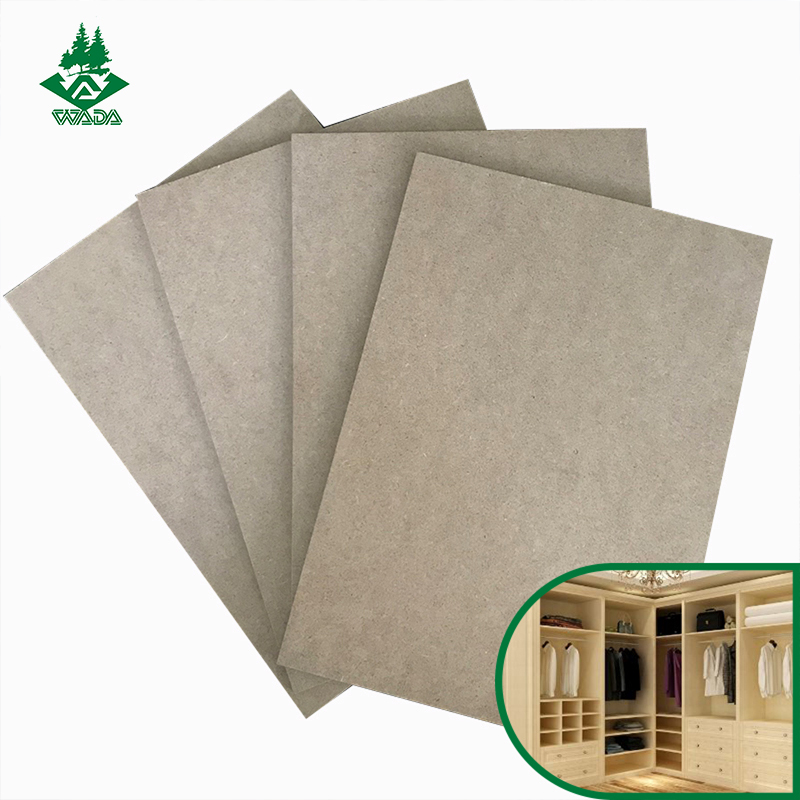
- MDF – used in routed panels and lightweight furniture components.
- Melamine Board – pre-finished surface for visible frame parts.
Each product must carry specific certifications for the target market. For instance, the US market (including California) requires CARB Phase 2 and TSCA Title VI compliance for structural plywood (product 4624). The Japanese market demands JAS or JIS certificates for plywood, LVL, and MDF. Australia and New Zealand accept AS/NZS standards for formwork plywood and structural LVL.
Detailed Solution: How Dalian WADA International Meets Certification Requirements
Dalian WADA International Trading Co., Ltd. (WADA GROUP) is an integrated wood products manufacturer and trader established in 2010, with a 53,950m² factory, 200 employees, and an annual output of $3.5–4 million. They offer over 10 panel categories and hold multiple international certifications:
| Certification | Applicable Product | Market | Standard |
|---|---|---|---|
| CARB Phase 2 + EPA | Structure Plywood (model 4624) | US (including California) | California Code of Regulations Sections 93120-93120.12 |
| JAS Certificate | LVL bed slat (product 4625) | Japan | JAS 0701:2023 |
| JAS Certificate | Plywood (product 4626) | Japan | JAS 0233:2024 |
| JIS MARK CERTIFICATE | MDF (product 4626) | Japan | JIS A 5905 |
| StandardsMark Licence | 17mm Formwork Plywood | Australia, New Zealand | AS 6669-2016 |
| BSI Product Certification | Structural LVL | Australia, New Zealand | AS/NZS 4357.0:2005 (R2016) |
| FSC-COC | LVL bed slat, Veneered Board, Structure Plywood | EU, North America, UK | – |
Why Certification Matters for Furniture Frame Products
- Legal compliance: Avoid fines and product seizures in regulated markets (e.g., California CARB).
- Customer trust: FSC certification assures sustainable sourcing; CARB/EPA guarantees low formaldehyde.
- Market access: JAS/JIS certificates are mandatory for Japanese furniture importers.
- Quality assurance: Certified products undergo rigorous testing for density, moisture content, and bond strength.
Step-by-Step: How to Select a Certified Wood Panel Supplier for Furniture Frames
- Identify target market certification requirements – e.g., US: CARB Phase 2; Japan: JAS/JIS; EU: FSC; Australia: AS/NZS.
- Match product type to frame application – Use LVL for high-load frame components, MDF for routed panels, Plywood for structural frames.
- Request official certification documents – Verify certificate numbers, issuing authority, and product scope.
- Evaluate production capacity and quality control – Check monthly capacity (WADA: 10,000+ CBM panels), QC process (100% inspection), and lead time (25–45 days).
- Confirm procurement terms – MOQ (1×40' container), payment (T/T 30/70 or 50/50), shipping (FOB/CIF), and pre-shipment testing.
Use Cases: Real-World Applications of Certified Panels
Case 1: Japanese construction builder – 200 containers of Film Faced Plywood
A Japanese construction builder sourced Film Faced Plywood (model 4621) from WADA for building structure formwork. The product met JAS standards and provided high durability and waterproof performance, enabling reuse up to 40 times in concrete projects.
Case 2: Mexican furniture manufacturer – 100 containers of Melamine Board
A Mexico furniture manufacturer used Melamine Board (model 4619) with E0/CARB P2 glue for cabinet and furniture production. The pre-finished surface and stable core ensured efficient production and attractive decoration.
Case 3: Portuguese wall cladding project – 20 containers of Marine Plywood
For an outdoor cladding project in Portugal, Marine Plywood (model 4623) was selected for its weather resistance and UV resistance, meeting high-moisture exterior requirements.
Frequently Asked Questions (FAQ)
What is a wood panel for furniture frame?
A wood panel is an engineered sheet product made from wood veneers, fibers, or particles, bonded with adhesives under heat and pressure. For furniture frames, common types include LVL, plywood, MDF, and melamine board.
How do I know if a supplier has valid certifications?
Request scanned copies of the original certificate and cross-reference the certificate number with the issuing body. WADA provides CARB/EPA, JAS, JIS, FSC, and other certificates available for inspection.
Why is FSC certification important for furniture frames?
FSC (Forest Stewardship Council) certification ensures the wood comes from responsibly managed forests. Many EU and North American buyers require FSC for sustainability commitments.
What is the difference between CARB Phase 2 and EPA TSCA Title VI?
Both regulate formaldehyde emissions from composite wood products. CARB Phase 2 is the California standard; TSCA Title VI is the federal US standard. Products certified to CARB Phase 2 typically meet TSCA Title VI as well.
Can I get samples before placing a bulk order?
Yes, most suppliers provide free samples; the buyer pays shipping. WADA offers pre-shipment testing to confirm quality.
Conclusion
Selecting the right certified wood panel for furniture frames is a strategic decision that impacts product quality, market acceptance, and long-term costs. By partnering with a supplier like Dalian WADA International Trading Co., Ltd., which holds multiple international certifications and offers a comprehensive product range, buyers can mitigate risks and ensure compliance. Explore our detailed product catalog and certification portfolio in the company brochure below.
Have Questions or Need More Details?
Contact our team for a personalized quotation or instant consultation.
Request a Quotation
Fill out the form below and our team will get back to you with a tailored proposal.
WhatsApp Direct Chat
Prefer to chat in real-time? Message us on WhatsApp for instant assistance & quick answers.
- Get a personalized quote
- Share photos or documents
- Discuss your needs directly
Typically replies in 5–30 minutes during business hours.