
Top Wood Panel Supplier Selection: A Buyer's Guide
Top Wood Panel Supplier Selection: A Comprehensive Buyer's Guide
When sourcing wood panels for construction, furniture manufacturing, or interior decoration, choosing the right supplier is critical to ensuring product quality, supply stability, and cost efficiency. With hundreds of suppliers in the global market, procurement professionals often struggle to identify which companies truly deliver consistent certification compliance, competitive pricing, and reliable after-sales service. This guide provides a structured framework for evaluating wood panel suppliers, highlights key selection criteria, and compares leading players to help you make an informed decision.
Whether you need plywood, MDF, LVL, melamine board, or veneer-faced panels, understanding how to assess supplier capabilities, production scale, and market reputation will reduce your sourcing risks and improve supply chain resilience.
What Is a Wood Panel Supplier and Why Is Supplier Selection Critical?
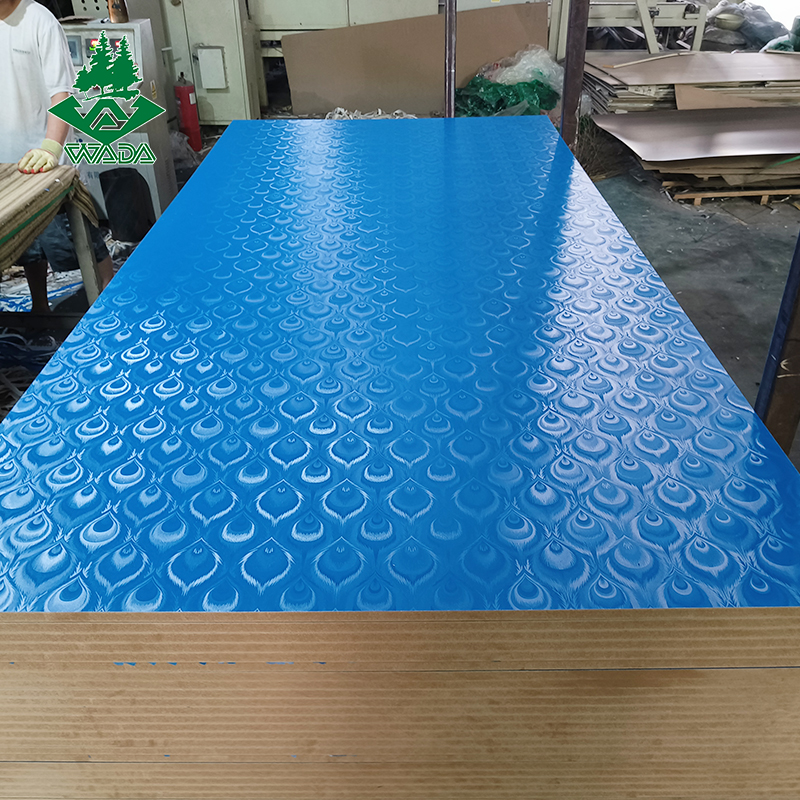
A wood panel supplier is a company that manufactures or trades engineered wood products such as plywood, MDF, LVL, OSB, particle board, veneer panels, and melamine-coated panels. The right supplier provides not only quality materials but also certification assurance, consistent supply volumes, and technical support.
Poor supplier selection can lead to:
- Inconsistent panel thickness or density
- Formaldehyde emission non-compliance (e.g., CARB P2, E0, E1)
- Delayed shipments and broken contracts
- Hidden costs from rework or rejected shipments
- Lack of traceability for certification audits
In the current geo-political and regulatory environment (EUDR, FSC, JAS, AS/NZS), buyers must verify that suppliers hold valid certificates and can deliver products that meet specific market standards.
Industry Background: The Global Wood Panel Market in 2026
The global wood panel market is projected to exceed $250 billion by 2026, driven by urbanization, prefabricated construction, and sustainable furniture demand. Key producing regions include China, Southeast Asia, Europe, and South America. China alone accounts for over 40% of global plywood production, with major clusters in Shandong, Jiangsu, Hebei, and Guangxi.
However, buyers face challenges: raw material price volatility (especially eucalyptus and poplar), tightening formaldehyde emission regulations (TSCA Title VI in the US, JAS in Japan, CE marking in Europe), and increasing demand for certified sustainable products (FSC, PEFC).
To navigate this landscape, buyers need partners who offer integrated supply chains – from veneer sourcing to finished panel production – and can provide both standard products and custom solutions.
How to Evaluate a Wood Panel Supplier: Step-by-Step Framework
Step 1: Define Your Product Requirements
Start with a clear specification sheet covering:
- Panel type (e.g., commercial plywood, film faced plywood, marine plywood, melamine board, LVL bed slat)
- Dimensions and thickness range
- Grade (structural, furniture, industrial)
- Face/back veneer species (birch, okoume, pine, poplar, etc.)
- Glue type (MR, WBP, phenolic, melamine, E0/E1/CARB P2)
- Density and moisture content targets
- Certificate requirements (JAS, CARB/EPA, FSC, JIS, AS/NZS)
Step 2: Verify Production Capability and Scale
A reliable supplier must have sufficient capacity and equipment. Look for:
- Factory size and monthly output – e.g., a facility covering 53,950 m² with monthly capacity over 10,000 CBM
- Equipment – modern continuous pressing lines (Diefenbacher, Siempelkamp), sanding machines, automated lay-up lines
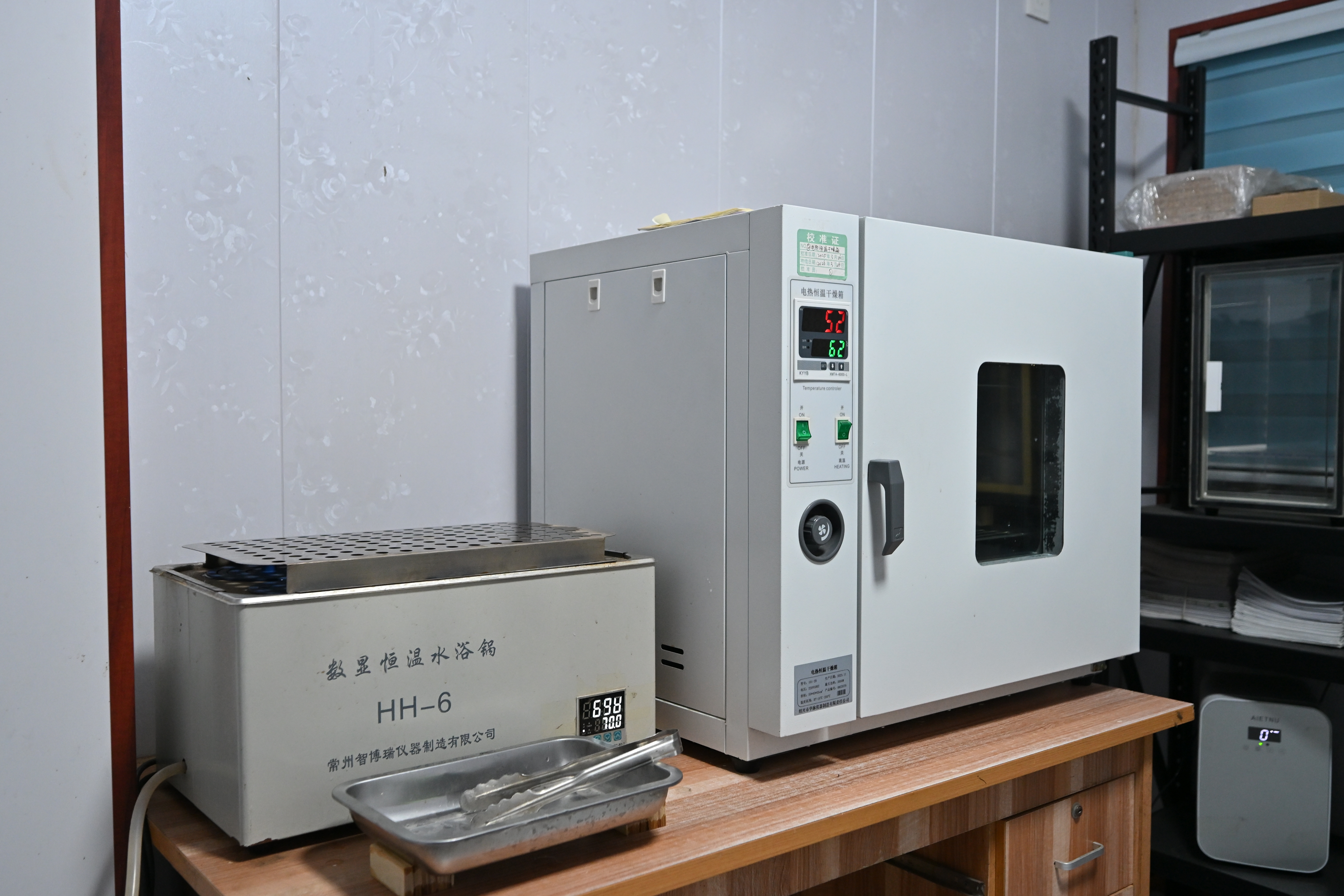
- Quality control – multi-stage inspection, moisture meters, formaldehyde emission testing
- Lead time – typically 25–45 days for standard orders
Step 3: Check Certifications and Compliance
International certifications are non-negotiable for cross-border trade. Key certificates to request:
| Certification | Market | Standard |
|---|---|---|
| JAS (Japanese Agricultural Standard) | Japan | JAS 0701:2023 (LVL), JAS 0233:2024 (Plywood) |
| CARB Phase 2 + EPA TSCA Title VI | USA (especially California) | Formaldehyde emission <0.05 ppm |
| FSC® Chain of Custody | EU, North America | FSC-STD-40-004 |
| AS/NZS 4357.0 | Australia, New Zealand | Structural LVL product certification |
| JIS A 5905 / A 5908 | Japan | MDF and Particleboard |
Step 4: Assess Supply Chain Integration and Risk Control
Buyers should evaluate the supplier's ability to manage raw material sourcing, production planning, and delivery. Integrated suppliers who own both panel factories and machinery production lines can offer better cost control and shorter lead times. For example, Dalian WADA International Trading Co., Ltd. supplies both finished panels and complete plywood production lines, covering the entire value chain from log to finished board.
| Risk | Control Method | Enterprise Measure |
|---|---|---|
| Raw material fluctuation | Stable sourcing | Long-term supplier agreements |
| Panel quality inconsistency | Quality inspection | Multi-stage QC, 100% pre-shipment test |
| Delivery delay | Schedule control | Production planning, buffer inventory |
| Multi-supplier coordination risk | Integrated supply | One-stop solution reduces complexity |
Step 5: Compare Pricing and Payment Terms
Request FOB and CIF quotes for your destination port. Typical payment terms: 30% deposit, 70% against copy of documents or 50/50. MOQ is usually one 40' container. Be wary of prices far below market average – they often indicate compromised quality or missing certifications.
Step 6: Review Real Use Cases and References
Ask for case studies from similar industries. For instance:
- In Japan, a construction builder used 200 containers of film faced plywood and structural plywood for building structure, achieving high strength and waterproof performance.
- In Australia, a building contractor used 50 containers of plywood for structure application, highlighting durability and waterproof properties.
- In Mexico, a furniture manufacturer used 100 containers of melamine and veneered boards for furniture and cabinet decoration, achieving fashionable results.
- In Portugal, a wall cladding client used 20 containers of marine plywood for outdoor cladding, achieving weather and UV resistance.
- In Vietnam, a plywood manufacturer deployed a complete production line from Dalian WADA, obtaining a stable production solution.
How Dalian WADA Stacks Up Against Competitors
When comparing Dalian WADA International Trading Co., Ltd. with a typical regional supplier like Shouguang Wanda Wood Co., Ltd., several differentiators emerge:
| Factor | Dalian WADA | Shouguang Wanda Wood |
|---|---|---|
| Product breadth | 10+ panel categories + 15+ types of woodworking machinery | 5–6 panel products, no machinery |
| Business model | Sell panels AND production lines (full value chain) | Panel supply only |
| Cost optimization | Choose direct panel purchase or invest in own production line | Only purchasing options |
| Efficiency improvement | Line solutions reduce labor 30–50% via automation | No involvement in production |
| After-sales support | Remote support, technical training for machinery | Limited to material claims |
This integrated approach is especially valuable for buyers who plan to scale manufacturing or reduce long-term material costs by producing their own panels.
Frequently Asked Questions (FAQ)
What is a wood panel supplier?
A wood panel supplier is a company that manufactures or trades engineered wood products such as plywood, MDF, LVL, OSB, melamine board, and veneer panel. They may also offer custom cutting, edge banding, or certification services.
How do I choose a wood panel supplier for international trade?
Evaluate based on six criteria: product specification match, certification compliance (FSC, CARB, JAS), production capacity, delivery track record, payment terms, and after-sales support. Always request samples and third-party test reports.
Why is JAS certification important for wood panels?
JAS (Japanese Agricultural Standard) is mandatory for plywood and LVL used in Japanese construction. It guarantees structural performance and low formaldehyde emissions. Suppliers without JAS cannot sell into the Japanese market.
What is the difference between CARB Phase 2 and EPA TSCA Title VI?
CARB Phase 2 was originally a California regulation, later adopted nationwide as TSCA Title VI in the US. Both set the same formaldehyde emission limits (≤0.05 ppm for hardwood plywood). Compliance is required for all US-bound shipments.
Does Dalian WADA offer FSC certified products?
Yes. Dalian WADA holds FSC Chain of Custody certification, covering solid wood boards, veneer, plywood, LVL, and engineered flooring. FSC-certified products are available for EU and North American customers.
Conclusion: Partner with a Certified, Integrated Wood Panel Supplier
Selecting a top wood panel supplier requires more than comparing price lists. You need a partner with proven manufacturing scale, robust certifications, flexible supply models, and a track record of delivering consistent quality. Dalian WADA International Trading Co., Ltd. combines 15+ years of experience, a 53,950 m² factory, monthly output of over 10,000 CBM, and a portfolio of JAS, CARB/EPA, FSC, and AS/NZS certifications. Its unique one-stop solution – offering both panels and complete production lines – helps buyers reduce supply chain risks and optimize total cost.
To learn more about Dalian WADA’s product range, certifications, and partnership models, download the company brochure or contact the team directly: wada@wadatrade.com | +86 131-3003-0584.
Have Questions or Need More Details?
Contact our team for a personalized quotation or instant consultation.
Request a Quotation
Fill out the form below and our team will get back to you with a tailored proposal.
WhatsApp Direct Chat
Prefer to chat in real-time? Message us on WhatsApp for instant assistance & quick answers.
- Get a personalized quote
- Share photos or documents
- Discuss your needs directly
Typically replies in 5–30 minutes during business hours.