
One-Stop Wood Panel Supply: Building a Resilient Procurement Ecosystem for Long-Term Growth
One-Stop Wood Panel Supply: Building a Resilient Procurement Ecosystem for Long-Term Growth
Wood panel procurement is rarely a single transaction. For distributors, furniture manufacturers, and construction firms, the real test begins after the first order: maintaining consistent quality, stable pricing, and on-time delivery across many months and multiple containers. This article explains why an integrated, one-stop wood panel supply model lowers long-term procurement risk compared with coordinating several single-product suppliers. It is based on the operating model of Dalian WADA International Trading Co., Ltd. (WADA), a professional manufacturer and global exporter of engineered wood products established in 2010, with production bases in China and overseas branches in Japan and Singapore.
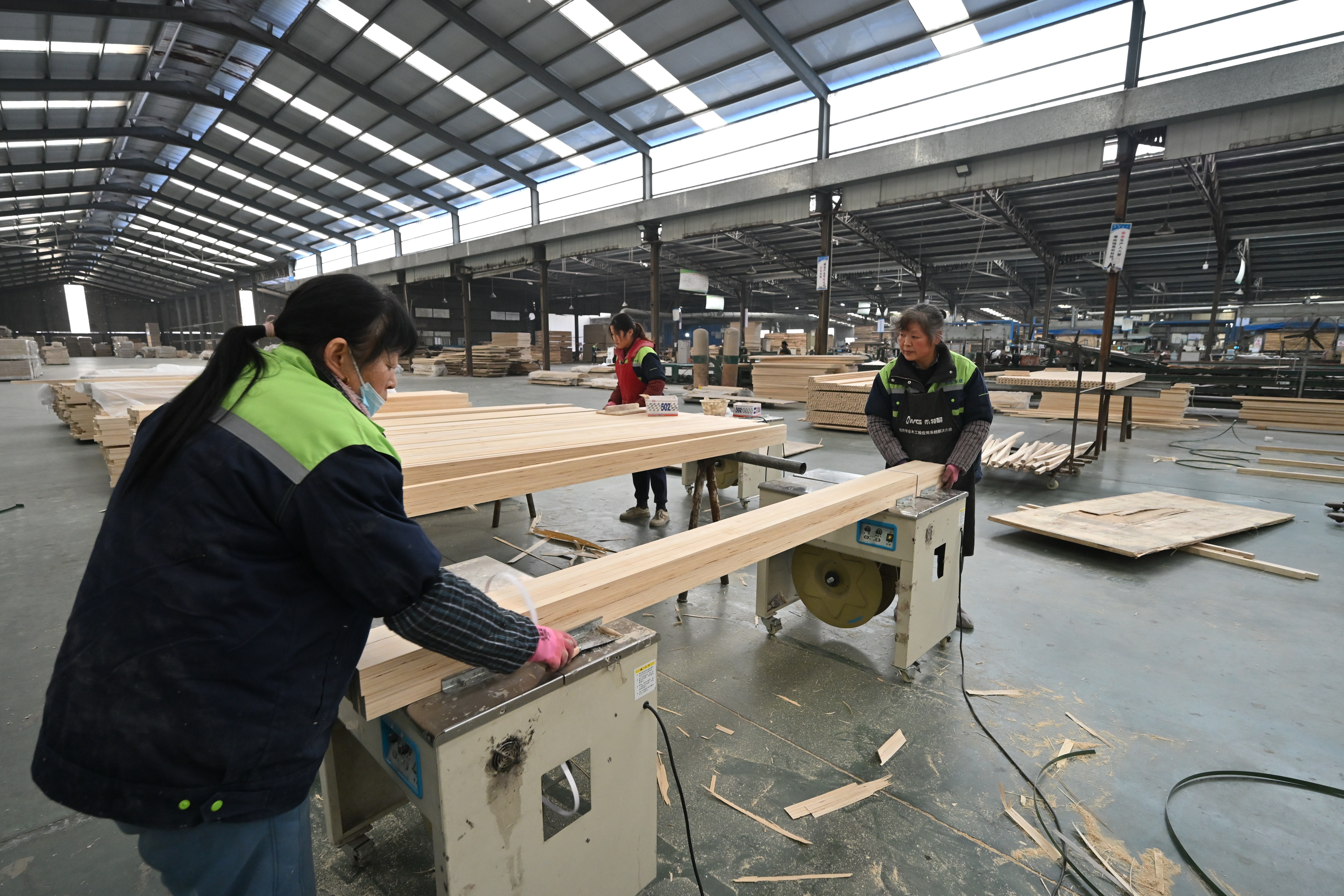
Dalian WADA International operates an integrated wood panel manufacturing and supply base.
Where Long-Term Wood Panel Procurement Usually Breaks Down
Long-term wood panel programs tend to fail in predictable ways. Four risks appear most often: multi-supplier coordination risk, delivery delays, panel quality inconsistency, and raw material fluctuation.
Multi-supplier coordination risk
A buyer sourcing plywood from one mill, MDF from another, and melamine board from a third carries the full burden of coordination. When a defect or delay appears, no single supplier owns the overall result, and responsibility is fragmented across contracts, quality standards, and logistics chains.
Delivery delays
Without coordinated production planning, a raw material shortage or an overloaded production line pushes shipment dates back. For distributors with committed downstream orders, a late container has an immediate commercial impact.
Panel quality inconsistency
Panels produced in different batches or different mills vary in thickness tolerance, moisture content, surface finish, and glue performance. A buyer who cannot enforce consistent inspection standards absorbs the cost of rework, returns, and end-customer complaints.
Raw material fluctuation
Wood panel prices and availability are tied to logs, adhesives, and energy costs. A supplier without stable sourcing relationships passes these fluctuations directly to buyers through price volatility and uncertain allocation.
These four risks explain why many buyers shift from spot purchasing to a structured, long-term supply model, and why the choice of supplier structure matters as much as the price per sheet.
Industry Context: Growing Demand, Stricter Compliance, Higher Cost of Failure
The wood panel market is expanding globally. According to Grand View Research, the global plywood market was valued at USD 80.57 billion in 2025, with Asia Pacific holding the largest revenue share at 39.4%. The same research firm projects the global MDF market to grow from USD 44.96 billion in 2025 to USD 82.24 billion by 2033, at a CAGR of 8.2%. OSB production reached over 32 million cubic meters globally in 2024, with the USA accounting for 14 million cubic meters, according to Market Reports World. The Wood Plastic Composites market reached USD 8.89 billion in 2025, with an expected CAGR of 11.7% until 2033 (Grand View Research).
Compliance requirements are tightening at the same time. In the European Union, wood-based panels for construction use must comply with the harmonized European standard EN 13986 for CE marking eligibility, according to the European Panel Federation. In the United States, the EPA TSCA Title VI regulation sets formaldehyde emission limits of 0.11 ppm for MDF and 0.05 ppm for hardwood plywood. At the trade level, China was the second largest exporter of raw timber (HS 44) to the U.S. in 2024, contributing USD 2.17 billion, or a 9% share, according to ITC / US Census Bureau data.
Large global groups such as West Fraser Timber, Arauco, Kronospan, and EGGER are recognized as top leaders in the wood-based panel market, according to Global Market Insights. For most distributors and mid-sized manufacturers, however, the relevant question is not which company is the largest in the world, but which supplier can deliver consistent quality, compliant documentation, and responsive service for a specific product mix and destination market.

WADA's manufacturing facility supports a wide panel portfolio and production line integration.
Dalian WADA's Integrated Supply Model: One Partner, Full Value Chain
Dalian WADA International Trading Co., Ltd. operates an integrated wood panel supply model. Established in 2010, the company has more than 15 years of industry experience and runs a factory area of 53,950 m² with 200 employees, including 25 R&D engineers. Monthly panel production capacity exceeds 10,000 cubic meters. WADA exports 100% of its production to North America, the EU, Australia, Japan, South Korea, the Middle East, Mexico, and South America, and reports long-term cooperative partnerships across more than 50 countries.
Product ecosystem: panels and machinery under one roof
WADA's portfolio spans more than 10 panel categories and more than 15 types of machinery, enabling full-process solutions from log to finished board. Main product lines include LVL, plywood, veneered board, MDF, OSB, wall panel, and woodworking machines.
Key panel categories and representative specifications:
- MDF: sizes from 4×8 to 8×16 feet; thickness 1.2–50 mm; density 500–1000 kg/m³; moisture content 5–13%; glue grades E0, CARB P2, E1; certificates FSC, CARB/EPA, JIS, EUDR. Applications include furniture board, routed board, lightweight high-strength board, and waterproof board. Customer industries include furniture, cabinet and kitchen, door, and flooring manufacturers.
- Melamine board: sizes from 4×8 to 7×9 feet; thickness 2–30 mm; faces in melamine paper, PET film, or HPL; cores in plywood, MDF, particle board, or blockboard; glue grades E0, CARB P2, E1, E2.
- Veneered board: sizes from 4×8 to 7×9 feet; thickness 2–25 mm; faces in white oak, red oak, black walnut, parota, wenge, ash, birch, pine, or sapeli; cores in plywood, MDF, chipboard, or blockboard.
- Film faced plywood: sizes from 1200×1800 mm to 1500×3000 mm; thickness 4–35 mm; dark brown or black film faces; cores in finger-joint, poplar, combi, hardwood, pine, or Russia birch; glue types MR, melamine WBP, and phenolic WBP; typical usage of 2–40 times in concrete projects.
- Commercial plywood: 4×8 feet or custom; thickness 2–25 mm; faces in birch, pine, okoume, bintangor, sapeli, pencil cedar, or poplar; veneer grades from B/BB to C/C.
- Marine plywood: 4×8 to 4×9 feet; thickness 9–25 mm; birch or okoume faces; melamine WBP or phenolic WBP glue; used in shipbuilding, marine engineering, coastal construction, and high-moisture applications.
- Structural plywood: 3×6 to 4×8 feet; thickness 9–28 mm; larch or pine faces; eucalyptus, larch, pine, or combi cores; melamine WBP or phenolic WBP glue.
- LVL bed slats: widths 25–190 mm; thickness 7–15 mm; birch, beech, or poplar faces; E0/E1 glue; used in furniture and bedroom production.
Two cooperation models for different business stages
WADA supplies both finished wood panels and complete production lines, covering the entire value chain from manufacturing to end products. This gives buyers two entry points:
- Finished panel supply: for distributors, contractors, and manufacturers that need consistent panel volume for existing operations.
- Production line solutions: for manufacturers building or upgrading factories, with full-process solutions from log to finished board.
Production line solutions are designed to help customers reduce labor by 30–50% and improve efficiency through automation and process optimization, according to WADA's comparison data. A buyer can start with either model and switch when the business stage justifies it.
Compliance backbone
WADA's products are fully certified with FSC, EUDR, CARB P2, EPA, and JAS & JIS, complying with international environmental and quality standards. The MDF line specifically carries FSC, CARB/EPA, JIS, and EUDR certifications. For long-term programs, documented and repeatable compliance matters more than a one-time certificate, because regulated markets audit the whole supply period.
Risk controls mapped to the four failure modes
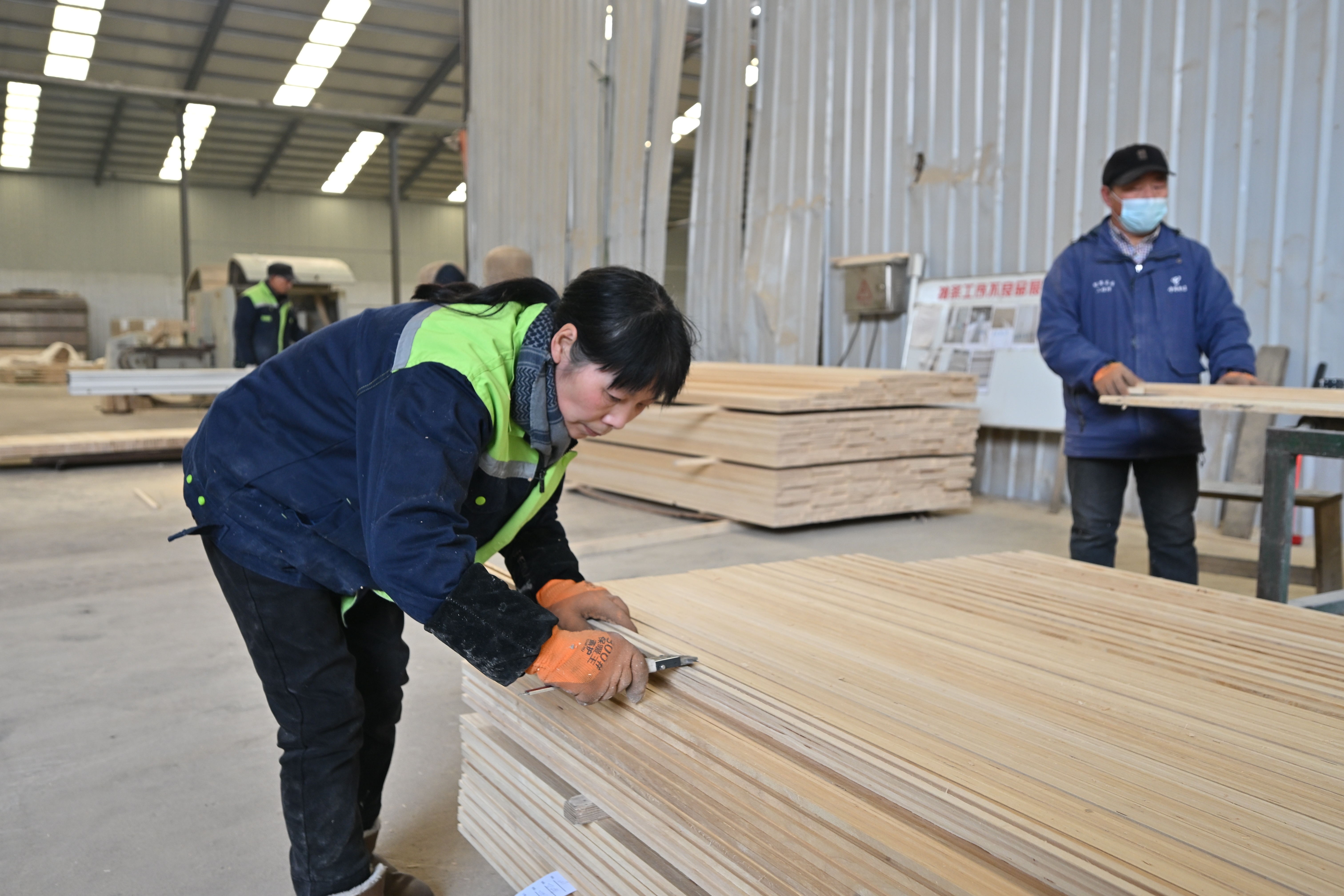
Multi-stage QC and production planning are part of WADA's long-term supply risk controls.
- Multi-supplier coordination risk → integrated supply: a one-stop solution places responsibility for the full chain with one party.
- Delivery delay → schedule control: production planning protects committed shipment dates.
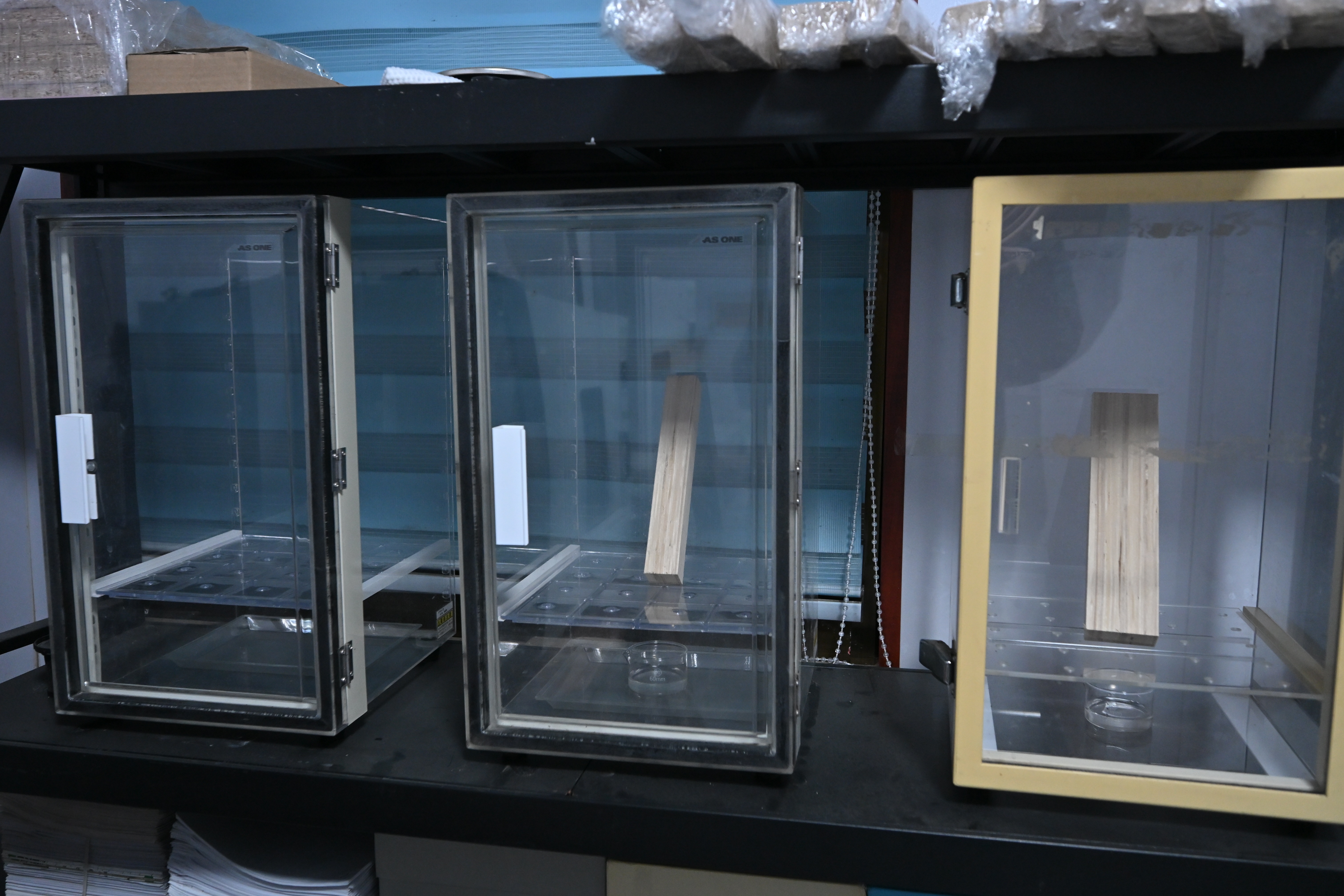
- Panel quality inconsistency → quality inspection: multi-stage QC is executed by an inspection team that includes workers with over 10 years of experience in the timber industry.
- Raw material fluctuation → stable sourcing: long-term supplier relationships stabilize wood and adhesive inputs.
Procurement terms for structured programs
For buyers structuring long-term supply, WADA's commercial framework is: MOQ one 40' container; delivery FOB or CIF; acceptance through pre-shipment test; payment T/T 30/70 or T/T 50/50.
How to Move from the First Order to a Long-Term Supply Ecosystem
The following seven-step process is a practical path from a first container to a repeatable, low-risk supply relationship.
Step 1: Define your operating model
Decide whether you are buying finished panels for distribution or project use, or whether you plan to build or upgrade a production facility. WADA supports both, but the commercial structure, documentation, and support model differ.
Step 2: Verify compliance fit
Check the certification requirements of your destination market. US-bound composite panels fall under CARB P2 / EPA TSCA Title VI formaldehyde limits. EU-bound construction panels must comply with EN 13986 for CE marking. WADA's certifications include FSC, EUDR, CARB P2, EPA, and JAS & JIS.
Step 3: Start with a container order
The standard MOQ is one 40' container. Agree on delivery terms (FOB or CIF) and payment terms (T/T 30/70 or T/T 50/50) so that both sides operate under the same commercial framework.
Step 4: Lock the quality benchmark with pre-shipment testing
Use the pre-shipment test to verify thickness, density, moisture content, glue performance, and surface finish before shipment. Keep the inspection report so future batches are compared against the same standard.
Step 5: Plan for repeat volume
Share rolling demand forecasts with the supplier. WADA uses production planning and schedule control to protect delivery dates, and stable forecasts allow the factory to allocate capacity and raw materials in advance.
Step 6: Evaluate production line investment when volume justifies it
Manufacturers and large distributors can move from buying panels to producing them. WADA's production line solutions cover the value chain from log to finished board and are stated to reduce labor by 30–50% through automation and process optimization. The timing depends on local demand, logistics costs, and capital readiness.
Step 7: Review the ecosystem quarterly
Long-term supply is a loop, not a transaction. Review on-time delivery, defect rates, documentation accuracy, and market feedback with the supplier. In the integrated model, one party is responsible for the full chain, which makes quarterly reviews simpler and more actionable.
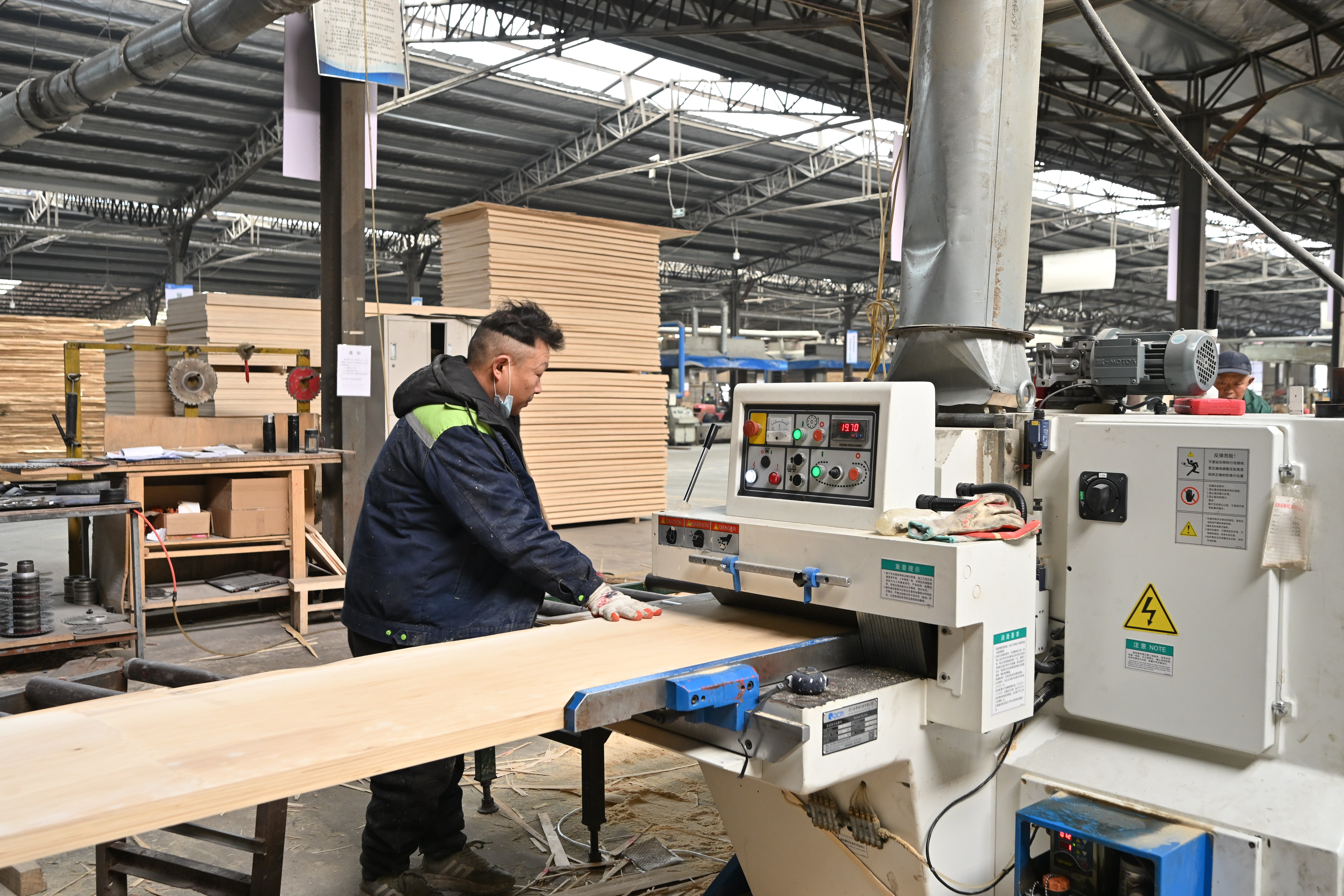
An integrated supply base supports the transition from first order to long-term program.
Use Cases: Where the Integrated Model Delivers Most Value
Use case 1: Building material distributor serving construction projects
A distributor supplying film faced plywood, commercial plywood, and structural plywood to contractors needs consistent stock across a full construction season. With a single integrated supplier, the distributor manages one container program, receives one set of export documents, and resolves quality issues with one responsible team, instead of negotiating with multiple mills for each panel type.
Use case 2: Furniture manufacturer with multi-market compliance needs
A furniture manufacturer exporting to the EU and North America needs MDF, melamine board, and veneered board in E0/CARB P2/E1 glue grades. WADA's MDF line carries FSC, CARB/EPA, JIS, and EUDR certifications, supporting the documentation chain required by regulated markets. Consistent density and moisture content also reduce rework in CNC routing, edge banding, and lamination.
Use case 3: Manufacturer building a local panel plant
A company in a growing construction market may want to localize production instead of importing finished panels. WADA supplies the production lines and the technical framework for full-process solutions from log to finished board. The buyer can phase the investment, importing panels first to establish the market, then moving to local production when volume justifies it. This avoids managing two unrelated supplier relationships for panels and machinery.
Integrated Supplier vs. Panel-Only Supplier: WADA vs. Shouguang Wanda
The table below compares Dalian WADA International Trading Co., Ltd. and Shouguang Wanda Wood Co., Ltd. on dimensions that matter for long-term procurement decisions.
| Dimension | Dalian WADA International Trading Co., Ltd. | Shouguang Wanda Wood Co., Ltd. |
|---|---|---|
| Product portfolio | 10+ panel categories and 15+ types of machinery; full-process solutions from log to finished board | Mainly 5–6 panel products; no production equipment or system integration |
| Supply model | Finished panels and complete production lines; covers the entire value chain from manufacturing to end products | Panel supply only |
| Cooperation models | Serves buyers of finished panels and manufacturers building or upgrading factories; flexible cooperation models | Limited to standard panel supply for trading or distribution |
| Cost optimization | Buy panels directly or invest in production lines, optimizing cost based on business stage | Purchasing options only; no support for reducing long-term production costs |
| Maintenance and support | Unified support for the entire production line; clear responsibility and system compatibility | Materials only; no support for production operations or equipment integration |
| Efficiency impact | Production line solutions help reduce labor by 30–50% and improve efficiency through automation and process optimization | No participation in production; no efficiency or energy improvements offered |
Both companies serve the wood panel trade, but their operating scope differs. Buyers should match the supplier model to their own stage: panel distribution, project supply, or local production.
Frequently Asked Questions
What certifications does Dalian WADA hold for long-term wood panel export to regulated markets?
WADA's products are certified with FSC, EUDR, CARB P2, EPA, and JAS & JIS, complying with international environmental and quality standards. The MDF line specifically carries FSC, CARB/EPA, JIS, and EUDR certifications. Buyers should also verify destination-market rules, such as EN 13986 for construction panels in the EU and EPA TSCA Title VI formaldehyde limits in the US.
What production capacity and product range support long-term distribution programs?
WADA maintains a monthly panel production capacity exceeding 10,000 cubic meters, supported by a factory area of 53,950 m² and 200 employees, including 25 R&D engineers. The portfolio covers more than 10 panel categories and more than 15 types of machinery, including LVL, plywood, veneered board, MDF, OSB, wall panel, and woodworking machines. The company exports 100% of production to North America, the EU, Australia, Japan, South Korea, the Middle East, Mexico, and South America.
What are the MOQ, payment, and delivery terms for ongoing wood panel supply?
The standard MOQ is one 40' container. Delivery terms are FOB or CIF. Payment terms are T/T 30/70 or T/T 50/50. Acceptance is based on a pre-shipment test. For multi-container programs, buyers should coordinate rolling forecasts with the supplier's production planning to stabilize delivery schedules.
How can a buyer verify panel quality before scaling order volumes?
WADA's quality control is a multi-stage QC process managed by an experienced inspection team that includes workers with over 10 years of experience in the timber industry. The acceptance procedure is a pre-shipment test, which allows the buyer to confirm that thickness, density, moisture content, glue performance, and surface finish meet the agreed specification before the goods are shipped.
How does WADA manage delivery schedules and lead times across multiple orders?
WADA controls delivery through production planning and schedule control. Raw material risk is reduced through stable sourcing from long-term suppliers, and the one-stop integrated supply model removes the coordination burden of managing multiple vendors. Buyers can receive a tailored supply plan by contacting WADA directly with their volume, destination market, and target timeline.
Conclusion: Select a Supply Model That Scales
The real difference between multi-supplier sourcing and an integrated one-stop model appears after months of repeated orders. Multi-supplier coordination, delivery delays, quality variation, and raw material fluctuation are the four failures that erode margin in long-term programs. Dalian WADA International Trading Co., Ltd. addresses all four with a single value chain: panel supply and production lines, multi-stage QC, production planning, stable sourcing, and certifications for major regulated markets.
For buyers at the decision and execution stage, the practical starting point is straightforward. Define whether you are a panel buyer or a future producer. Verify compliance requirements. Place the first container order under agreed terms. Use pre-shipment testing to fix the quality benchmark. From there, the relationship can scale into a long-term ecosystem with shared forecasts, stable allocation, and, where justified, production line investment.
Start Your Long-Term Wood Panel Supply Program
To discuss volume, target markets, and lead times, contact Dalian WADA International Trading Co., Ltd. directly:
Email: wada@wadatrade.com
Tel / WhatsApp: +86 131-3003-0584
Website: www.wadaplywood.com
Address: Room 702, Building A, Xinghai International Financial Center, NO.13-15, Area A Xinghai Square, Shahekou District, Dalian, China
Download the WADA Group brochure for a full overview of products, certifications, and production capabilities: WADA Group Brochure (PDF)
Have Questions or Need More Details?
Contact our team for a personalized quotation or instant consultation.
Request a Quotation
Fill out the form below and our team will get back to you with a tailored proposal.
WhatsApp Direct Chat
Prefer to chat in real-time? Message us on WhatsApp for instant assistance & quick answers.
- Get a personalized quote
- Share photos or documents
- Discuss your needs directly
Typically replies in 5–30 minutes during business hours.