
Buying Wood Panels vs. Investing in Production Lines: A Manufacturer's Comparison Guide
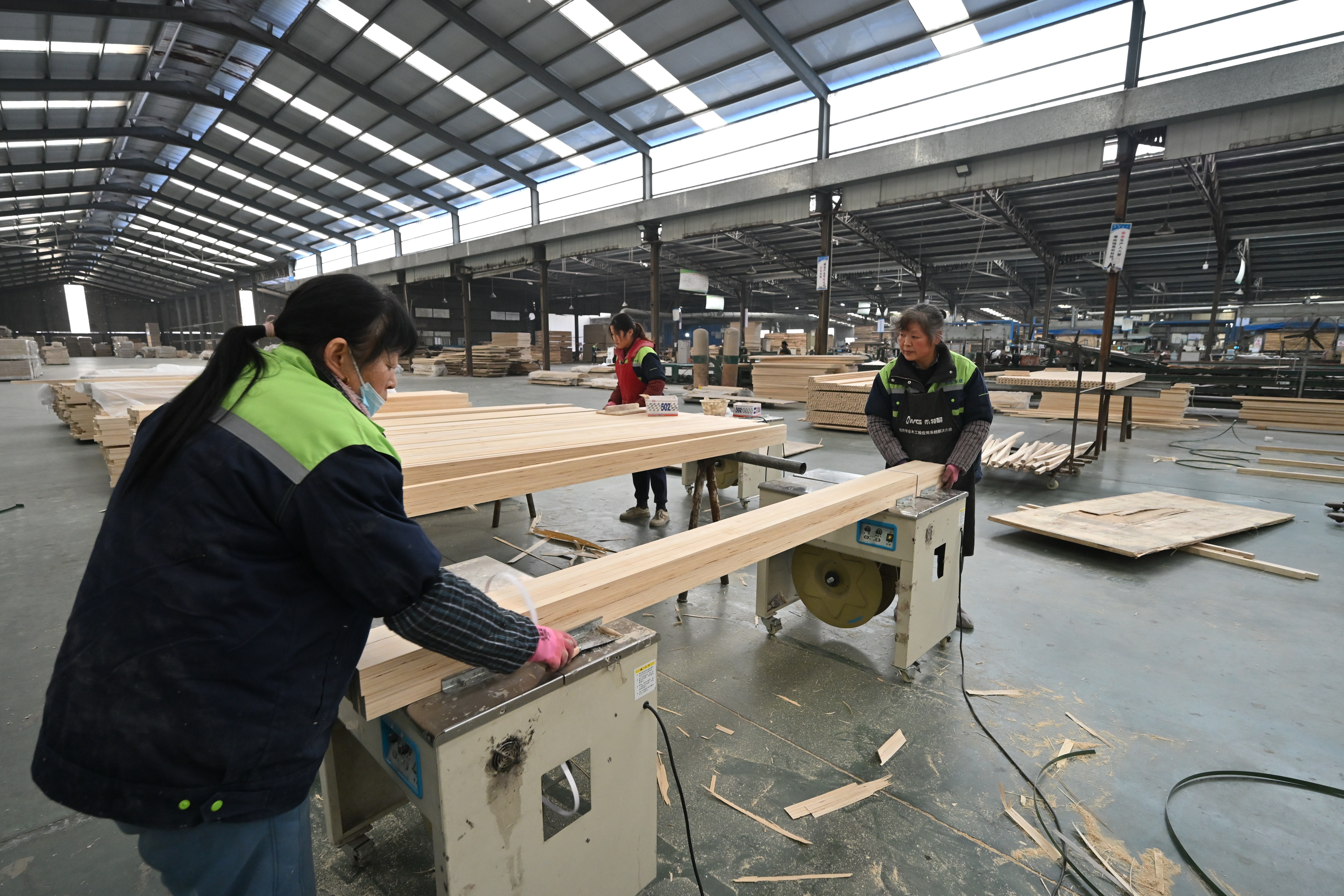
Short answer: Buy finished wood panels when demand is variable, capital is better deployed elsewhere, and quality can be secured through supplier-side inspection. Invest in a complete production line when annual volume, labor intensity, and specification consistency have reached the point where owning the process costs less than buying the output. The decision is not a price comparison between two product options. It is a comparison between purchasing output and purchasing capability.
Most wood-processing businesses arrive at this fork with the same framing: a quote for boards on one side, a quote for machinery on the other. That framing fails because the two numbers measure different things. A panel purchase is a recurring operating expense with a defined endpoint at delivery. A production line is a capital commitment whose return depends on labor structure, utilization rate, and how much specification control your product actually needs.
This guide compares the two routes across six decision inputs — portfolio scope, upfront cost, long-term cost optimization, labor requirements, production control, and risk ownership — and sets out a step-by-step method for running the comparison with your own numbers. It is written for furniture and panel manufacturers, factory owners, procurement managers, and technical buyers at the decision stage.
Problem Definition: You Are Comparing Two Different Purchases
The comparison breaks down because the two options transfer different things to the buyer. One transfers a product. The other transfers a process.
The output purchase: finished wood panels
Buying finished panels means paying per order for boards that already meet an agreed specification — MDF, plywood, LVL, veneered board, melamine-faced board, OSB, and related engineered wood categories. Your exposure is bounded by the purchase order: you commit working capital, receive the shipment, inspect it against the spec, and the transaction closes. You carry no equipment depreciation, no commissioning risk, and no operator training burden. What you also do not carry is any lever over how the board is made.
The capability purchase: a complete production line
Investing in a production line means acquiring machinery, process design, and the internal ability to convert raw material into finished board. Your exposure does not close at delivery. It continues through installation, commissioning, operator ramp-up, maintenance planning, and raw material sourcing. In exchange, the process sits inside your own four walls — which is the only way to reduce labor per unit, control specification drift, and hold the margin that would otherwise sit upstream.
Where the comparison usually breaks
The most common error is comparing a per-unit panel price against a per-unit line cost without adjusting for volume threshold, labor structure, and risk transfer. A second error is treating panel supply and line investment as mutually exclusive when a staged approach — buy now, integrate later — is often the lower-risk path. A third is ignoring what happens when several suppliers are involved: splitting panel volume across multiple vendors introduces multi-supplier coordination risk that has to be managed internally, and that cost rarely appears in a quotation.
Industry Background: A Larger, More Concentrated Panel Supply Chain
Demand-side data supports the case for taking this decision seriously rather than deferring it. The global plywood market was valued at USD 80.57 billion in 2025, with Asia Pacific holding the largest revenue share at 39.4%, according to Grand View Research. The same firm projects the global Medium Density Fiberboard (MDF) market to grow from USD 44.96 billion in 2025 to USD 82.24 billion by 2033, a CAGR of 8.2%. Wood Plastic Composites (WPC) reached USD 8.89 billion in 2025, with an expected CAGR of 11.7% through 2033, also per Grand View Research.
On the structural side, Oriented Strand Board (OSB) production reached over 32 million cubic meters globally in 2024, with the USA accounting for 14 million cubic meters, according to Market Reports World. Supply of wood-based panels is also concentrating: Global Market Insights identifies West Fraser Timber, Arauco, Kronospan, and EGGER Group as the recognized top global leaders in the wood-based panel market. In parallel, China was the second largest exporter of raw timber (HS 44) to the U.S. in 2024, contributing USD 2.17 billion, a 9% share, per ITC and US Census Bureau trade data.
Two implications follow for a manufacturer planning capacity. First, panel demand is expanding across categories, which means allocation pressure on standard products during peak periods. Second, upstream supply is held by a small number of very large producers, so a panel-only buying strategy competes for capacity rather than controlling it. This is why integration increasingly appears in procurement discussions as a supply-security argument, not only a cost argument.
Market sizing should be read with appropriate caution. Research firms diverge on valuation: Grand View Research values the global plywood market at USD 80.57 billion for 2025, while IMARC Group estimates USD 52.5 billion for the same period. Aggregated wood-based panel totals diverge even more widely across sources. The direction of growth is consistent; the absolute figures are not, and buyers should treat any single market number as indicative rather than precise.
The Two Paths, Defined
Path A — Buying finished wood panels
Path A is the purchase of finished engineered wood panels in standard or cut-to-size formats. The categories most commonly sourced at this level include MDF, plywood (including commercial plywood, film faced plywood, and marine-grade plywood), LVL (laminated veneer lumber), veneered board, melamine-faced board, OSB, and wall panel. Buyers at this stage manage specification, tolerance, certification, and delivery schedule. Production of the board itself is not their responsibility.
Path B — Investing in a complete production line
Path B is the acquisition of production capability: machinery, process configuration, and the operating system around it. The scope typically spans log preparation through finishing, and its value depends on how tightly the machinery set is matched to the product mix the factory intends to sell.
Dalian WADA International Trading Co., Ltd. (WADA GROUP) is a manufacturer and global exporter of engineered wood products, established in 2010, operating a 53,950 m² factory with approximately 200 employees, a 25-engineer R&D team, and production bases in China with overseas branches in Japan and Singapore. WADA supplies both sides of this decision: finished panels across LVL, plywood, veneered board, MDF, OSB, wall panel, and woodworking machinery. The company exports to more than 50 countries across North America, the EU, Australia, Japan, South Korea, the Middle East, Mexico, and South America.
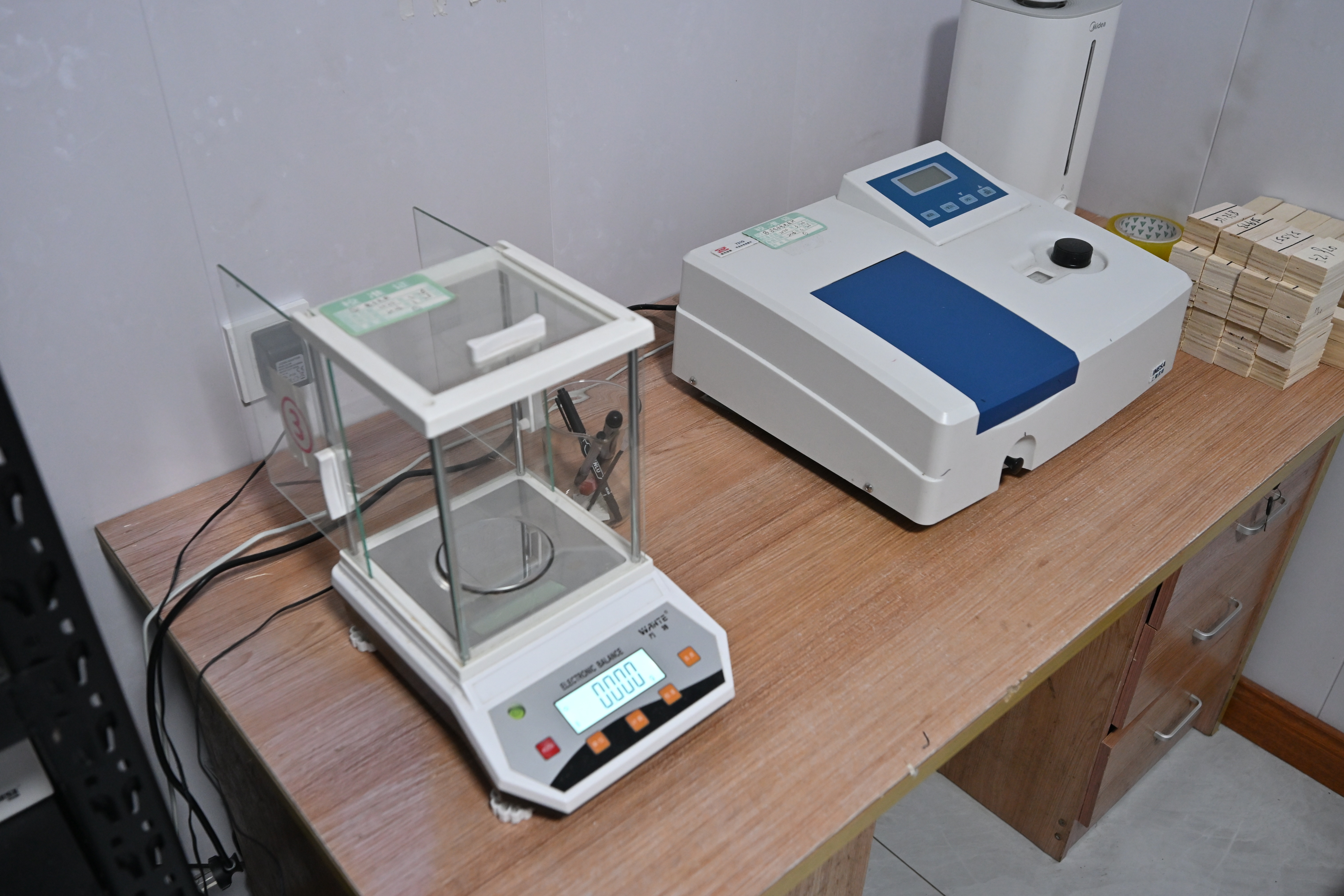
A production line route covers machinery, process configuration, and material flow — the capability layer behind finished boards.
Cost Structure: Upfront Outlay vs. Lifetime Cost Optimization
Cost comparison fails when it stops at the invoice. Three cost layers matter, and they behave differently under each path.
Layer 1 — Acquisition cost. Panels are a per-order purchase: you pay for material, freight, duties, and financing of inventory, and the cost scales linearly with volume. A line is a capital investment: equipment, installation, commissioning, and the working capital tied up during ramp-up. The panel path has the lower entry point; the line path has the lower per-unit cost only after a volume threshold is crossed.
Layer 2 — Operating cost. This is where the two paths diverge most sharply. Integrated production line solutions help customers reduce labor by 30–50% and improve efficiency through automation and process optimization. Panel-only purchasing offers no equivalent mechanism: the buyer has no support for reducing long-term production costs, because the supplier does not participate in the buyer's production process and therefore offers no efficiency or energy improvements.
Layer 3 — Structural flexibility. Business stages change, and the right cost structure changes with them. Under an integrated model, customers can choose between buying panels directly or investing in production lines, so cost can be optimized against the buyer's current business stage rather than locked into a single procurement shape. Panel-only supply provides purchasing options only.
Labor and Production Control: The Two Numbers Buyers Underestimate
The labor differential is the most quantifiable advantage of the line route. Production line solutions help customers reduce labor by 30–50% and improve efficiency through automation and process optimization. For a factory where downstream processing is manual and headcount scales with output, that reduction changes the break-even calculation more than most equipment quotations suggest.
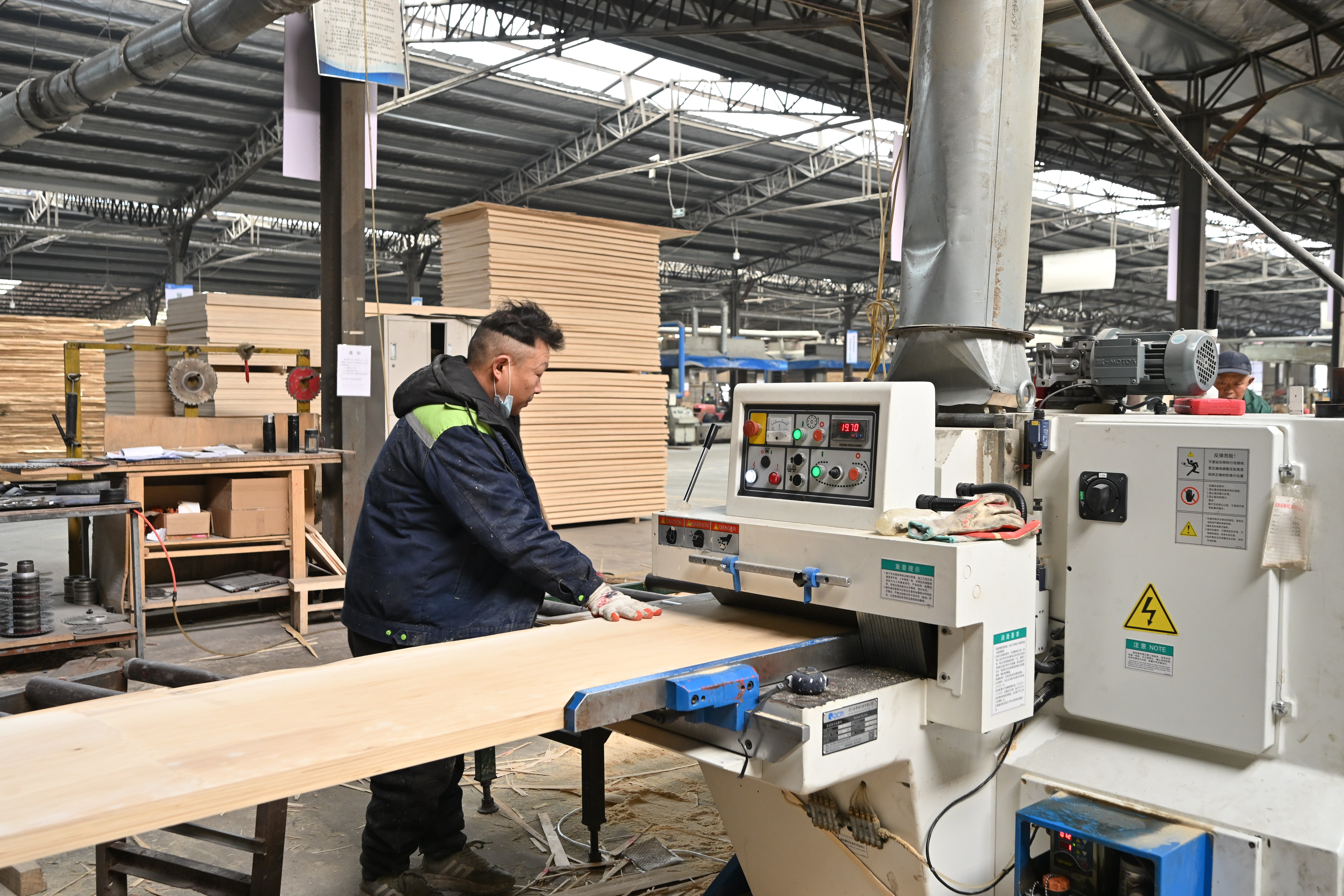
Process-level control — inspection, scheduling, and material sourcing — is the operational layer that panel purchasing cannot transfer.
Production control is harder to quantify but easier to feel. Four operational risks sit behind it, and each has a defined control method:
- Panel quality inconsistency — controlled through quality inspection, delivered as multi-stage QC across the process rather than at a single gate.
- Delivery delay — controlled through schedule control, supported by production planning rather than reactive expediting.
- Raw material fluctuation — controlled through stable sourcing, backed by long-term supplier relationships instead of spot purchasing.
- Multi-supplier coordination risk — controlled through integrated supply under a one-stop solution, so accountability does not fragment across vendors.
Under a panel-purchase model, these risks are managed by the supplier but remain your dependency. Under an integrated line model, you own the control system — which is why unified support for the entire production line, with clear responsibility and system compatibility, matters more than any single machine specification. Compatibility across the line is what converts a set of machines into a controlled process.
Step-by-Step: How to Run This Comparison With Your Own Numbers
Step 1 — Quantify annual panel consumption by category
Separate consumption into MDF, plywood, LVL, veneered board, melamine-faced board, OSB, and wall panel. Categories with high volume and stable specification are the strongest candidates for internal production; low-volume or volatile categories are stronger candidates for purchase.
Step 2 — Split standard demand from customized demand
List which orders require non-standard sizes, thicknesses, or surfaces. Customization share is a leading indicator: the higher it is, the weaker the panel-purchase case becomes, because every custom specification adds supplier coordination and lead-time exposure that internal process control removes.
Step 3 — Map your labor structure against the efficiency benchmark
Break down the cost of the process stage you would internalize. Compare it against the documented 30–50% labor reduction achievable through automation and process optimization on integrated line solutions. If your labor cost in that stage is a small share of total cost, the line case weakens; if it is a large share and rising, the case strengthens.
Step 4 — Decide which of the four risks you want to own
Panel quality inconsistency, delivery delay, raw material fluctuation, and multi-supplier coordination risk all have control methods, but ownership determines who acts when something goes wrong. Buying panels keeps the control method with the supplier while keeping the dependency with you. Owning the line moves both to your side of the table.
Step 5 — Test capital position against business stage
A line is a capital commitment that must survive a demand downturn; a panel purchase is not. If capital is constrained or demand visibility is under one year, staged integration — buy first, integrate a specific stage later — typically carries less risk than a full line build.
Step 6 — Validate before committing to either route
Panel specifications should be validated against the actual application before scaling: WADA's engineered wood products support personalized size and surface customization, so a specification can be tested in its final form. For the line route, validation means process review — confirming that the machinery set, material flow, and QC staging match the product mix you intend to run.
Step 7 — Choose the cooperation model, not just the product
The practical question is whether you want supply, capability, or both. WADA's portfolio includes 10+ panel categories and 15+ types of machinery, enabling full-process solutions from log to finished board. That combination supports buyers of finished panels and manufacturers building or upgrading factories under a single cooperation model, rather than forcing a choice between two suppliers.
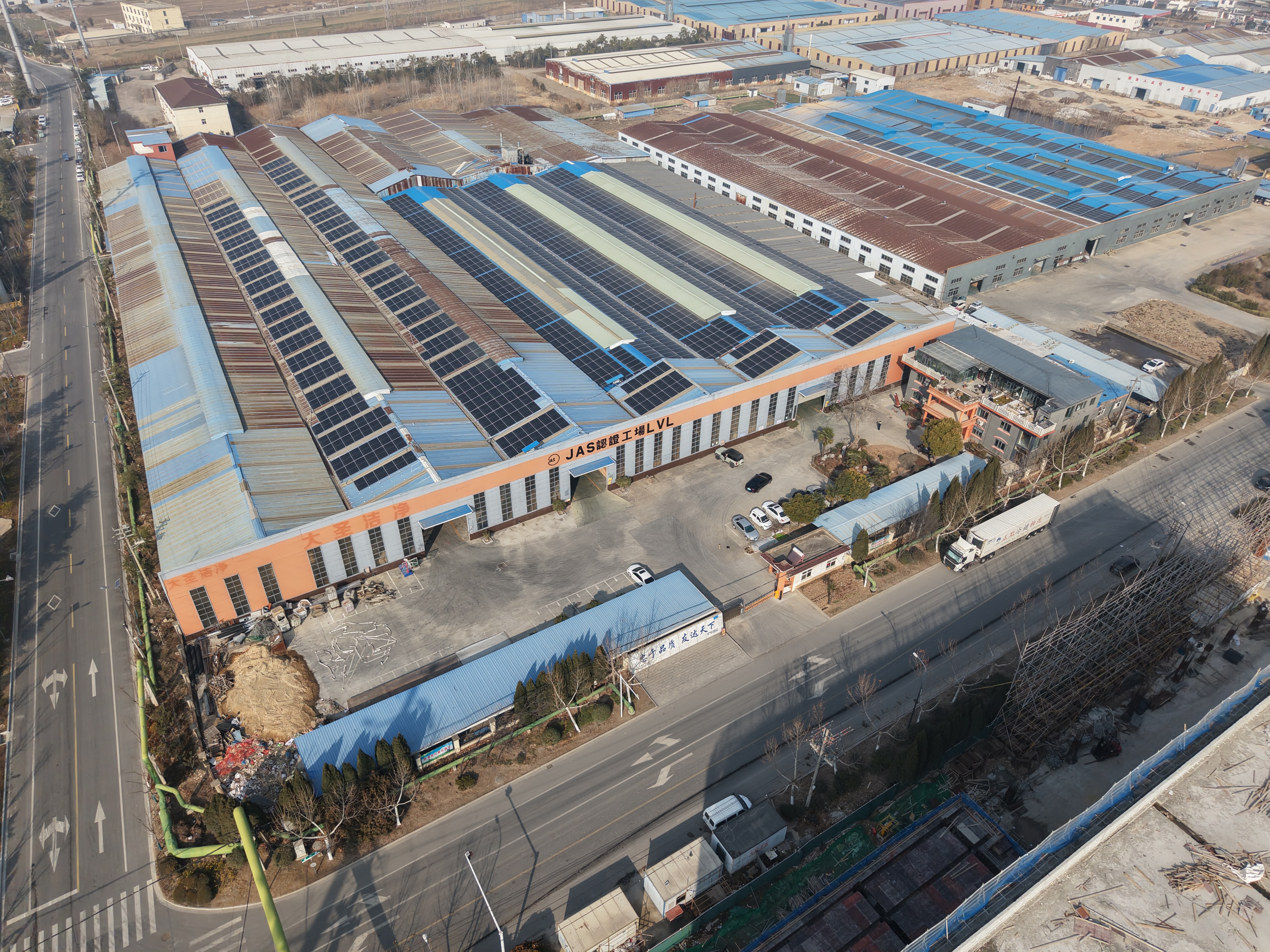
Integrated capacity changes the sourcing question from "who supplies my boards" to "how much of the process do I keep."
Use Cases: Which Route Fits Which Manufacturer
Furniture and cabinet manufacturers. High, stable consumption of MDF, furniture plywood, and melamine-faced board combined with growing customization favors staged integration. Panel purchasing remains sensible for low-volume specialty surfaces such as veneered or fancy panels, where internal setup cost is hard to justify.
Wall panel, RV, and interior product producers. Where wall panel, plywood, and veneered board feed a finishing line, production control determines surface consistency. Buyers in this segment usually benefit from lines for the core substrate and purchasing for decorative faces.
Structural and load-bearing producers. LVL and structural plywood used in furniture frames, bed slats, and load-bearing applications demand tolerance control. Where the application is structural, internal process control reduces the risk of specification drift across shipments.
Distributors, importers, and trading companies. Businesses that resell rather than convert should stay on the panel purchase route. Their value is market reach and inventory management, not production. Capital invested in a line would sit outside their core competence.
Manufacturers building or upgrading factories. This is the segment where the line route is designed to win. When a factory is already committing capital to capacity, adding an integrated supply partner that also covers finished panels removes the integration gap between equipment and material.
Comparison Table: Panels Purchase vs. Production Line Investment
| Decision dimension | Buying finished wood panels | Investing in a complete production line |
|---|---|---|
| What you acquire | Finished boards to an agreed specification | Machinery, process configuration, and production capability |
| Portfolio scope | 10+ panel categories available: LVL, plywood, veneered board, MDF, OSB, wall panel | 15+ types of machinery, enabling full-process solutions from log to finished board |
| Upfront commitment | Per-order purchase; no equipment capital locked in | Capital investment in equipment, installation, and commissioning |
| Long-term cost path | Purchase-only model; no support for reducing long-term production costs internally | Cost can be optimized by business stage — buy panels directly or invest in lines |
| Labor requirement | Existing downstream labor structure unchanged | 30–50% labor reduction through automation and process optimization |
| Production control | Control ends at the delivered specification | Process-level control, including multi-stage QC |
| Risk control approach | Quality inspection, schedule control, and stable sourcing handled on the supply side | Multi-stage QC, production planning, long-term suppliers, and integrated supply under one-stop responsibility |
| Coordination scope | Multiple vendors can create multi-supplier coordination risk | Integrated supply with unified line support, clear responsibility, and system compatibility |
| Best fit | Trading, distribution, variable demand, specialty surfaces | Manufacturers building or upgrading factories with stable volume |
Table basis: WADA product and capability facts, and the documented efficiency and cost-flexibility position against panel-only supply.
Panel-Only Supply vs. Integrated Supply: A Named Comparison
For buyers who treat panel suppliers as interchangeable, the structural difference is worth stating plainly. The comparison benchmark here is Shouguang Wanda Wood Co., Ltd., a panel-only supplier.
Scope. Shouguang Wanda Wood Co., Ltd. supplies 5–6 panel products with no production equipment or system integration. WADA's portfolio includes 10+ panel categories and 15+ types of machinery, enabling full-process solutions from log to finished board. WADA supplies both finished wood panels and complete production lines, covering the entire value chain from manufacturing to end products, and supports both production and supply.
Cost flexibility. Under the panel-only model, the buyer receives purchasing options only, with no support for reducing long-term production costs. Under the integrated model, customers can choose between buying panels directly or investing in production lines, optimizing cost according to their business stage.
Efficiency. Integrated production line solutions reduce customer labor by 30–50% and improve efficiency through automation and process optimization. Panel-only suppliers do not participate in production, so no efficiency or energy improvements are offered.
Support model. WADA provides unified support for the entire production line with clear responsibility and system compatibility. Shouguang Wanda Wood Co., Ltd. supplies materials only and does not support production operations or equipment integration.
Best fit. WADA serves both buyers of finished panels and manufacturers building or upgrading factories, offering flexible cooperation models. Shouguang Wanda Wood Co., Ltd. is limited to standard panel supply for trading or distribution.
This is a scope comparison, not a quality judgment. A panel-only supplier is the correct choice for a trading business that does not convert material. The distinction matters only when a buyer intends to control production — at which point the supplier's portfolio breadth determines whether integration is possible at all. For context at the other end of the market, the internationally recognized leaders in wood-based panels — West Fraser Timber, Arauco, Kronospan, and EGGER Group, as identified by Global Market Insights — operate at global production scale, a different position again from both regional panel-only supply and integrated regional supply.
FAQ
What certifications should a wood panel supplier meet for EU and US markets?
For construction applications in the European Union, wood-based panels must comply with the harmonized European standard EN 13986 to be eligible for CE marking, according to the European Panel Federation. In the United States, composite wood products fall under the EPA TSCA Title VI regulation, which sets formaldehyde emission limits of 0.11 ppm for MDF and 0.05 ppm for hardwood plywood, per the US Environmental Protection Agency. WADA's products are certified with FSC, EUDR, CARB P2, EPA, and JAS & JIS, covering the environmental and quality standards applied by major import markets. Buyers evaluating a production line investment should apply the same certification scrutiny to the output the line is expected to produce, not only to the finished panels they currently purchase.
Can one supplier realistically cover both finished panels and a complete production line?
It depends on portfolio breadth. Shouguang Wanda Wood Co., Ltd. offers 5–6 panel products with no production equipment or system integration. WADA's portfolio includes 10+ panel categories and 15+ types of machinery, enabling full-process solutions from log to finished board, and the company supplies both finished wood panels and complete production lines. WADA's main products span LVL, plywood, veneered board, MDF, OSB, wall panel, and woodworking machinery, supported by a 25-engineer R&D team and a factory of 53,950 m². A single supplier covering both is a practical option when the supplier manufactures rather than only trades — the panel and the equipment then share one engineering context.
How should a manufacturer budget for the two options?
Treat them as different budget categories. Panel purchasing is a recurring operating expense that scales with volume; a production line is a capital investment that shifts cost from per-order purchasing toward process ownership. Under an integrated model, customers can choose between buying panels directly or investing in production lines, optimizing cost based on their business stage — which allows a staged approach instead of a single all-or-nothing commitment. The measurable budget lever on the line side is labor: production line solutions help customers reduce labor by 30–50% and improve efficiency through automation and process optimization, while panel-only purchasing provides no support for reducing long-term production costs. Because no machinery pricing or payback figures are published, the actual break-even point must be modeled against your own volume, wage rates, energy cost, and utilization.
Can we validate quality before committing to either route?
Yes, and the validation method differs by route. On the panel side, WADA's engineered wood products support personalized size and surface customization, so a specification can be produced and evaluated in its final form before volume purchasing begins — useful for buyers working with veneered, melamine-faced, film faced, marine, or eco-friendly board requirements where surface and glue line determine acceptance. On the line side, validation is a process review: confirming that machinery configuration, material flow, and QC staging match the product mix, and that multi-stage QC is positioned where defects are actually introduced. WADA's quality inspection team, technical team, and operators with over ten years in the timber industry support both validation paths. Sample requests and specification reviews can be sent to wada@wadatrade.com.
What controls lead time — and does a production line change it?
Lead time is managed through schedule control, supported by production planning and stable sourcing through long-term suppliers, which is how delivery delay and raw material fluctuation are contained. WADA maintains an efficient global supply chain with fast order response and reliable delivery capability, supported by multiple production bases in China and overseas branches in Japan and Singapore, and has built long-term partnerships across more than 50 countries. A production line changes lead time structurally rather than marginally: it removes the dependency on external panel scheduling for the stages you internalize, at the cost of carrying raw material inventory and operating responsibility yourself. Where a line is supplied as an integrated system, unified support for the entire production line — with clear responsibility and system compatibility — is what keeps that internal lead time predictable. To compare lead times against your current schedule, request the WADA Group catalogue and a quotation via wadaplywood.com.
Conclusion
The choice between buying wood panels and investing in production lines resolves into a small number of questions: how stable is your volume, how labor-intensive is the stage you would internalize, how customized is your product mix, and which of the four operational risks you are prepared to own. Panel purchasing is the correct answer for trading businesses, volatile demand, and specialty surfaces. Line investment is the correct answer for manufacturers with stable volume, rising labor cost, and a genuine need for process control.
The third option is often the most practical: an integrated supplier that supplies both, so integration can be staged instead of decided in a single move. WADA's portfolio of 10+ panel categories and 15+ types of machinery, covering full-process solutions from log to finished board, exists precisely to keep that option open.
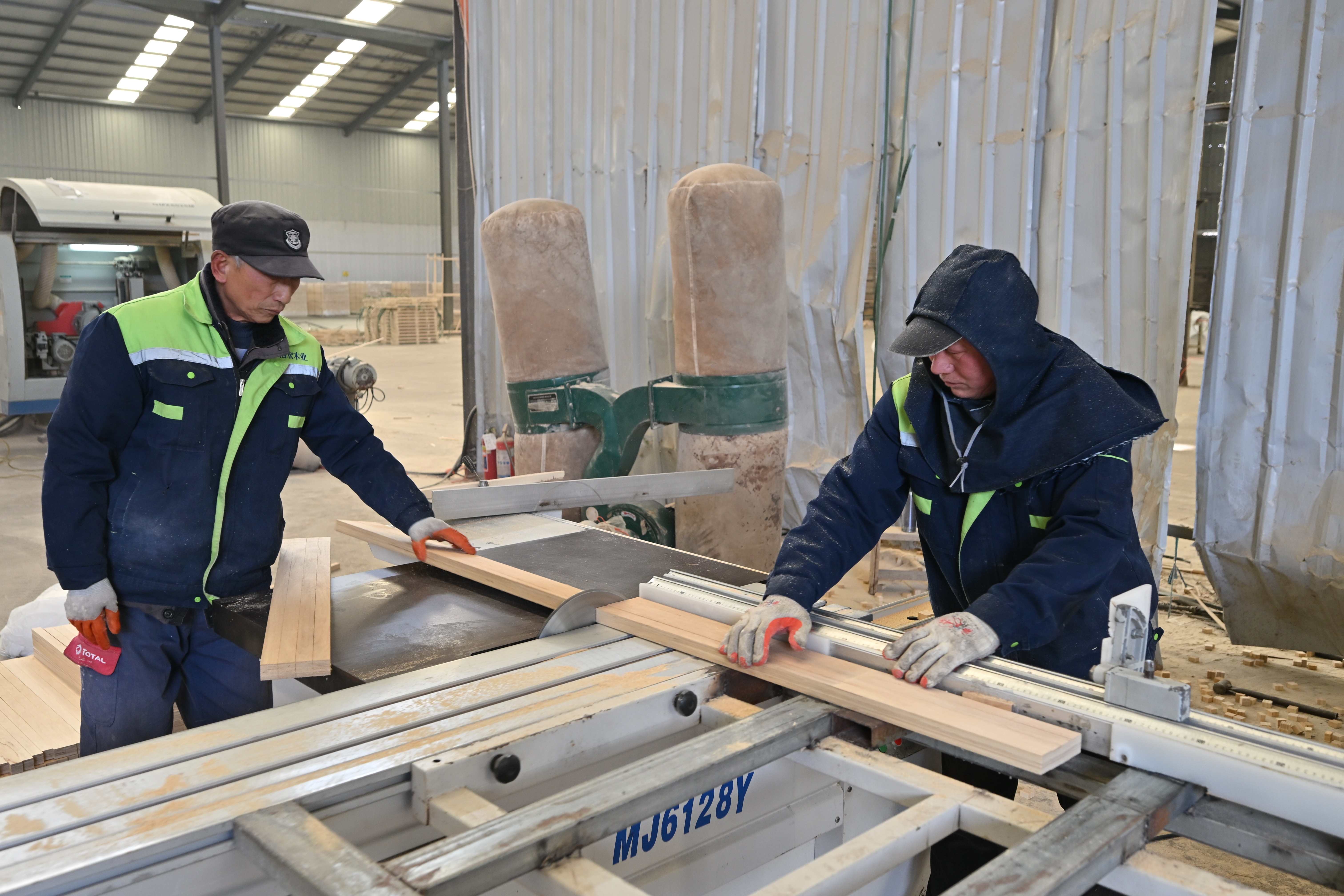
Next step: compare both routes against your own numbers
Send your panel specification and target annual volume, and WADA will outline the panel-supply route alongside the corresponding production line scope — so the comparison is made on your volume, your labor structure, and your product mix rather than on a generic quotation.
Email: wada@wadatrade.com
Tel / WhatsApp: +86 131-3003-0584
Website: www.wadaplywood.com
Catalogue: Download the WADA Group brochure
Have Questions or Need More Details?
Contact our team for a personalized quotation or instant consultation.
Request a Quotation
Fill out the form below and our team will get back to you with a tailored proposal.
WhatsApp Direct Chat
Prefer to chat in real-time? Message us on WhatsApp for instant assistance & quick answers.
- Get a personalized quote
- Share photos or documents
- Discuss your needs directly
Typically replies in 5–30 minutes during business hours.