
What Are Engineered Wood Panels? A Guide to MDF, Plywood, LVL, and More for New Buyers
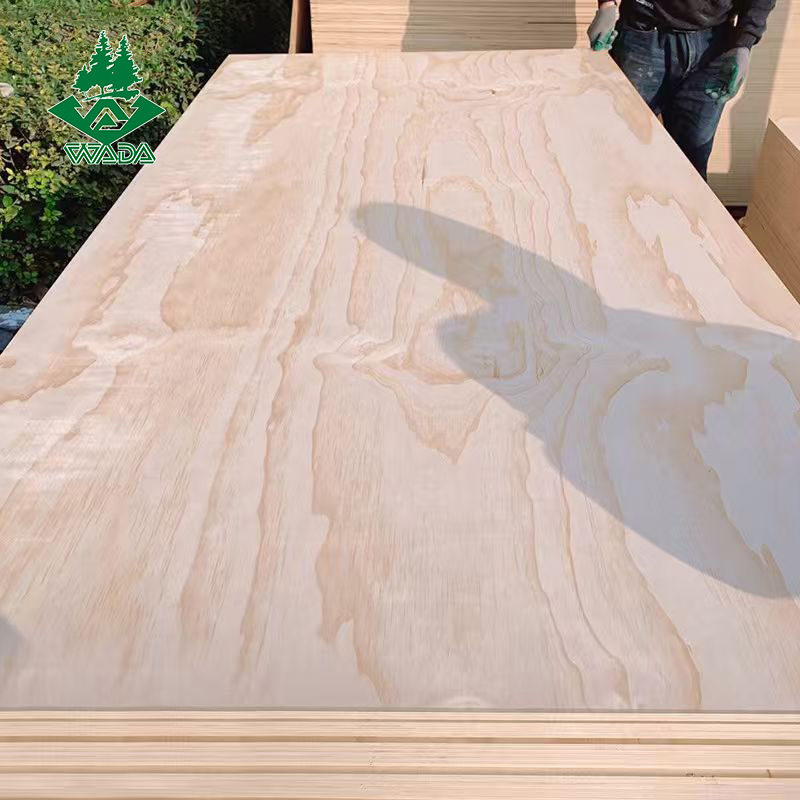
Engineered wood panels are manufactured sheet materials produced by bonding wood fiber, veneer, strands, or particles with adhesive under controlled heat and pressure. They are not solid timber, and they are not interchangeable with one another. Each panel family — MDF, plywood, LVL, veneered board, melamine-faced board — is defined by how its core is built, which adhesive holds it together, and how the surface is finished. Those three variables set strength, moisture behavior, machinability, appearance, and the compliance profile your destination market will ask about.
This article is written for buyers who are new to the category: importers, distributors, furniture producers, contractors, and sourcing staff who need the product vocabulary before they need a quotation. It defines the main engineered wood panel types in plain terms, explains what each one is made of, and gives you a practical method for comparing them. Sourcing comes second. Definitions come first.
Why “Wood Panel” Is a Confusing Term for New Buyers
The industry uses one word — the panel — to describe a format rather than a material. “Wood panel” tells you the shape of the product: a flat sheet. It does not tell you what the sheet is made of, how it was bonded, or what it will tolerate in service. That gap is where most first-time buying errors begin.
Three mistakes repeat across almost every new buyer’s first quotation round:
- Buying by name only. “Plywood” can mean commercial plywood used for furniture and fit-out, film faced plywood used for concrete formwork, marine plywood specified for wet environments, or structural plywood graded for load-bearing use. The word is the same; the build-up, the adhesive, and the certification are not.
- Assuming the surface reveals the core. A melamine-faced board may sit on plywood, MDF, particle board, or blockboard. The decorative face looks identical in every case; the humidity response and screw-holding do not.
- Skipping the data sheet. Thickness, density, moisture content, glue class, and grade are the fields that decide whether the panel behaves the way your drawing assumes. A quotation that lists only “18 mm board” is not yet a specification.
All three have the same root cause: the buyer learned the panel by appearance instead of by composition. The rest of this guide fixes that by defining each panel from the inside out — face, core, glue, then surface.
The Panel Category at Scale: Why the Vocabulary Matters
The engineered panel business is large enough that small vocabulary errors become expensive. Grand View Research values the global plywood market at USD 80.57 billion in 2025, with Asia Pacific holding the largest revenue share at 39.4%. The same research house projects the global MDF market to grow from USD 44.96 billion in 2025 to USD 82.24 billion by 2033, a CAGR of 8.2%. Wood Plastic Composites (WPC), an adjacent category used in exterior and wet-area profiles, reached USD 8.89 billion in 2025 with an expected CAGR of 11.7% until 2033 (Grand View Research).
Strand-based panels follow the same pattern. Oriented Strand Board (OSB) production passed 32 million cubic meters globally in 2024, of which the United States accounted for 14 million cubic meters (Market Reports World). On the supply side, Global Market Insights identifies West Fraser Timber, Arauco, Kronospan, and EGGER Group among the recognized leaders in the wood-based panel market — useful context when you start comparing where a board comes from and who produced it.
Trade flows matter for the same reason. China was the second largest exporter of raw timber (HS 44) to the United States in 2024, contributing USD 2.17 billion, or a 9% share (ITC / US Census Bureau). The practical reading for a new buyer is straightforward: you will be comparing panels produced in different regions, certified under different systems, and shipped under different commercial terms. Shared definitions are what make that comparison fair — and they are what this next section provides.
The Main Engineered Wood Panel Types, Defined
Five panel families account for most first purchases in furniture, interiors, and construction. Each definition below follows the same logic: what the panel is made of, how it is built, the specification range recorded in WADA GROUP data sheets, and where it is normally used.
MDF (Medium Density Fiberboard)
MDF is made from wood fiber bonded with resin and pressed into a uniform sheet. Because the fiber is distributed evenly rather than in layers, MDF has no grain direction: it machines, routes, and profiles the same way along and across the sheet. That uniformity is why it is common in routed doors, profile-wrapped components, and furniture where a smooth, consistent edge line matters more than structural span.
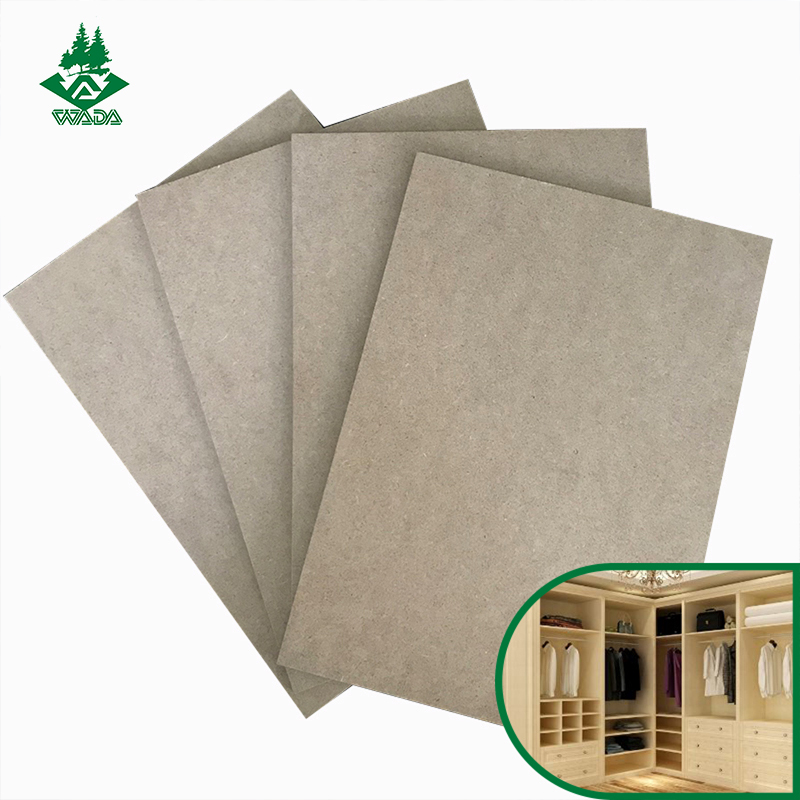
Recorded MDF specification in the WADA data sheet: sizes 4×8 to 8×16 feet, thickness 1.2–50 mm, produced by continuous flat pressing on Difenbach & Sinbelkamp (Germany) equipment, glue systems E0 / CARB P2 / E1, density 500–1000 kg/m³, moisture content 5%–13%, and certificates covering FSC, CARB/EPA, JIS, and EUDR. Listed uses include furniture board, routed board, lightweight high-strength board, and waterproof board. For the Japanese market, fiberboard is certified against JIS A 5905 (Fiberboards).
Plywood: Four Types New Buyers Meet First
Plywood is built by bonding an odd number of veneer layers with the grain of each layer rotated — usually 90° — against the layer below. That cross-laid structure is what gives plywood its dimensional stability and its ability to hold a screw along the panel edge. Within the plywood family, four build-ups appear in almost every first enquiry:
- Commercial plywood — the general-purpose starting point. Sizes from 4×8 ft or as required, thickness 2–25 mm, face and back in birch, pine, okoume, bintangor, sapeli, pencil cedar, or poplar; veneer grades from B/BB down to C/C; cores in poplar/eucalyptus, combi, or full birch; glue systems E0 / CARB P2 / E1 / E2 / WBP; density 520–700 kg/m³; moisture content 8%–12%. Used across furniture, interior decoration and fit-out, construction, packaging, and door manufacturing.
- Film faced plywood — the formwork panel. Sizes from 1200×1800 mm up to 1500×3000 mm, thickness 4–35 mm, faced with dark brown or black film; cores in finger joint, poplar, combi, hardwood, pine, or Russia birch; glue MR / melamine WBP / phenolic WBP; density 650–750 kg/m³. Its defining field is reuse: 2–40 times in concrete projects.
- Marine plywood — the moisture-first grade. Sizes 4×8 to 4×9 ft, thickness 9–25 mm, face and back in birch or okoume, cores in poplar, birch, okoume, or combi, bonded with melamine WBP or phenolic WBP; density 600–750 kg/m³. Specified for shipbuilding and shipyards, coastal and waterfront construction, high-moisture interiors, and bathroom or kitchen manufacturing.
- Structural plywood — the load-bearing grade. Sizes 3×6 to 4×8 ft, thickness 9–28 mm, larch or pine face and back over eucalyptus, larch, pine, or combi cores, melamine WBP or phenolic WBP glue, density 650–750 kg/m³, graded for construction and structure. Structural plywood is certified to JAS 0233:2024 for the Japanese market.
LVL (Laminated Veneer Lumber)
LVL is frequently mistaken for plywood because both start with veneer. The difference is direction. LVL bonds veneers with their grain running parallel, producing a linear, high-strength member rather than a balanced sheet. That makes LVL a component material — bed slats, furniture frames, structural members — instead of a facing material.
WADA’s LVL bed slat program covers sizes 25–190 mm with thickness 7–15 mm, face and back in birch, beech, or poplar over a birch or poplar core, E0/E1 glue, furniture bed grade, moisture content 8%–12%, packed in export standard pallets or loose packing. For the Japanese market, LVL is certified under JAS 0701:2023; structural LVL also holds AS/NZS 4357.0:2005 (R2016) product certification for Australia and New Zealand.
Veneered Boards (Also Called Fancy Panels)
A veneered board is a thin natural wood veneer bonded to a substrate core. The veneer provides the appearance; the core provides the behavior — and the same veneer on two different cores will respond differently to humidity and load. Formats run 4×8 to 7×9 ft at 2–25 mm thickness. Face and back species include white oak, red oak, black walnut, parota, wenge, ash, birch, pine, sapeli, and engineered veneer. Cores may be plywood, MDF, chipboard, or blockboard; veneer cut type is Q/C or C/C; grades are A, AA, and AAA; glue systems E0 / CARB P2 / E1 / E2 / melamine; density 500–750 kg/m³. Distributors sometimes market these as decorative or fancy panels — the specification logic is the same.
Melamine-Faced Boards
Melamine board is a surface system, not a core type. Melamine-impregnated paper, PET film, or HPL is bonded to plywood, MDF, particle board, or blockboard. Formats run 4×8 to 7×9 ft at 2–30 mm, glue systems E0 / CARB P2 / E1 / E2, furniture or cabinet grade, density 550–750 kg/m³, moisture content 8%–12%. When someone asks for “melamine board,” the first clarifying question in any technical discussion should always be: on which core?
Adjacent Categories You Will Also See Quoted
Four further names appear regularly in panel quotations: OSB/FOSB (strand-based structural panels), WPC (wood plastic composite, common in exterior and wet-area profiles), wall panels (decorative and cladding formats), and engineered wood flooring. Each carries its own specification logic. OSB, for example, is produced at very large scale — over 32 million cubic meters globally in 2024 — but it is specified by strand orientation and grade rather than by the same data-sheet fields used for MDF or plywood. Buyers moving between categories should expect the fields to change, not just the values.
How to Build Your Panel Knowledge in Six Steps
A new buyer does not need to memorise every grade. Six steps cover the decisions that repeat on almost every project.
- Name the application before the panel. “Cabinet carcass in a humid climate,” “reusable concrete formwork,” and “bed slat for export furniture” point to three different panels. Start from the working condition, then select the material.
- Split structural needs from decorative needs. If the panel carries load or braces a structure, the structural grade and its certification come first. If it only presents a surface, the decorative face can be chosen more freely.
- Read the build-up in a fixed order: face/back species → core → glue → thickness → density → moisture content. A data sheet read in this order makes it obvious which two quotes are genuinely comparable.
- Match the adhesive system to moisture exposure. Interior furniture commonly uses E0/E1 or CARB P2 bonding; formwork and marine applications move into melamine WBP or phenolic WBP; MR-rated bonding covers lighter moisture exposure. Adhesive class is usually the single largest driver of service life.
- Check the destination market’s requirement before you quote your own customer. Certification is a market-entry filter, not a marketing detail — the section further down maps the main systems to the markets that require them.
- Confirm the commercial framework. At WADA GROUP, the minimum order quantity is 1×40’ container, production lead time is 25–45 days, and packing follows export standard pallet packing or loose packing. Panels are inspected at 100% inspection before shipment.
These steps are the reason a beginner guide is worth writing at all: once the vocabulary is in place, the supplier conversation changes from “what is your price for 18 mm board?” to “what core, glue class, and certificate are behind that 18 mm board?” — which is a question that can actually be answered with evidence.
Where These Panels Actually Go: Five Project Profiles
Definitions become concrete when they are attached to real shipments. The profiles below come from WADA GROUP project records and describe the application and the recorded outcome — not a performance guarantee for other projects.
- Furniture and cabinetry — Mexico. A furniture manufacturer received 100 containers of panels for furniture and cabinet decoration, drawn from veneered board, melamine board, LVL, and MDF. The recorded result was a decorative finish with a fashion-forward highlight.
- Outdoor cladding — Portugal. A wall cladding specialist took 20 containers of marine plywood for outdoor cladding. The recorded result was weather resistance, with UV resistance as the stated highlight.
- Building structure — Japan. A construction builder received 200 containers of film faced plywood and structural plywood for building structure. Recorded result: high strength, with durability and waterproof performance as highlights.
- Building structure — Australia. A building contractor took 50 containers of structural and film faced plywood for building structure, with the same recorded highlights: high durability and waterproof performance.
- Production line — Vietnam. A plywood manufacturer installed a complete plywood production line for manufacturing plywood, veneer, and engineered wood panels in an industrial facility. The project achieved stable production and was delivered as a one-stop solution; the panels produced feed furniture, construction, packaging, and interior applications.
Note the pattern: furniture projects cluster around decorative surfaces over stable cores; outdoor and structural projects cluster around adhesive class and grade. That is the same logic the six steps above are built on.
Panel Types Side by Side
The table below compares the five core categories using the specification fields recorded in WADA GROUP data sheets. Formats and thicknesses are production ranges, not a promise that every combination is stocked.
| Panel type | How the core is built | Formats & thickness | Density / moisture | Typical first application |
|---|---|---|---|---|
| MDF | Wood fiber bonded with resin, continuous flat pressing | 4×8 – 8×16 ft; 1.2–50 mm | 500–1000 kg/m³; 5%–13% | Furniture, routed and profile-wrapped components |
| Commercial plywood | Cross-laid veneers, odd layer count | 4×8 ft or as required; 2–25 mm | 520–700 kg/m³; 8%–12% | Furniture, interior fit-out, packaging, doors |
| Film faced plywood | Cross-laid veneers with film facing | 1200×1800 – 1500×3000 mm; 4–35 mm | 650–750 kg/m³; 8%–12% | Concrete formwork, reuse 2–40 times |
| Marine plywood | Cross-laid veneers, moisture-resistant bonding | 4×8 – 4×9 ft; 9–25 mm | 600–750 kg/m³; 8%–12% | Shipbuilding, coastal construction, wet interiors |
| Structural plywood | Cross-laid veneers, structural grade | 3×6 – 4×8 ft; 9–28 mm | 650–750 kg/m³; 8%–12% | Load-bearing and structural building elements |
| LVL | Veneers bonded parallel to each other | 25–190 mm section; 7–15 mm thickness | From 520 kg/m³; 8%–12% | Bed slats, furniture frames, linear members |
| Veneered board | Natural veneer on plywood, MDF, chipboard, or blockboard | 4×8 – 7×9 ft; 2–25 mm | 500–750 kg/m³; 8%–12% | Visible decorative surfaces, graded A / AA / AAA |
| Melamine board | Melamine paper, PET film, or HPL on plywood, MDF, particle board, or blockboard | 4×8 – 7×9 ft; 2–30 mm | 550–750 kg/m³; 8%–12% | Cabinet and furniture surfaces, low-maintenance finishes |
Which Certificate Applies in Which Market
Certification is where a definition turns into a delivery condition. The same panel may be acceptable in one market and blocked in another, not because the board changed, but because the required evidence changed.
| Market | What is required | Standard reference |
|---|---|---|
| Japan | JAS certification for LVL and plywood; JIS certification for fiberboard | JAS 0701:2023 (LVL); JAS 0233:2024 (plywood, including special type structural plywood); JIS A 5905 (Fiberboards / MDF) |
| Australia & New Zealand | Structural LVL product certification; plywood formwork licence | AS/NZS 4357.0:2005 (R2016) for structural LVL; AS 6669-2016 for 17 mm formwork plywood |
| United States | Formaldehyde emission control for composite wood products | CARB Phase 2 and TSCA Title VI; EPA limits of 0.11 ppm for MDF and 0.05 ppm for hardwood plywood |
| European Union | CE marking eligibility for construction panels; chain-of-custody and timber regulation compliance | EN 13986 (harmonized standard for wood-based panels in construction); FSC CoC; EUDR |
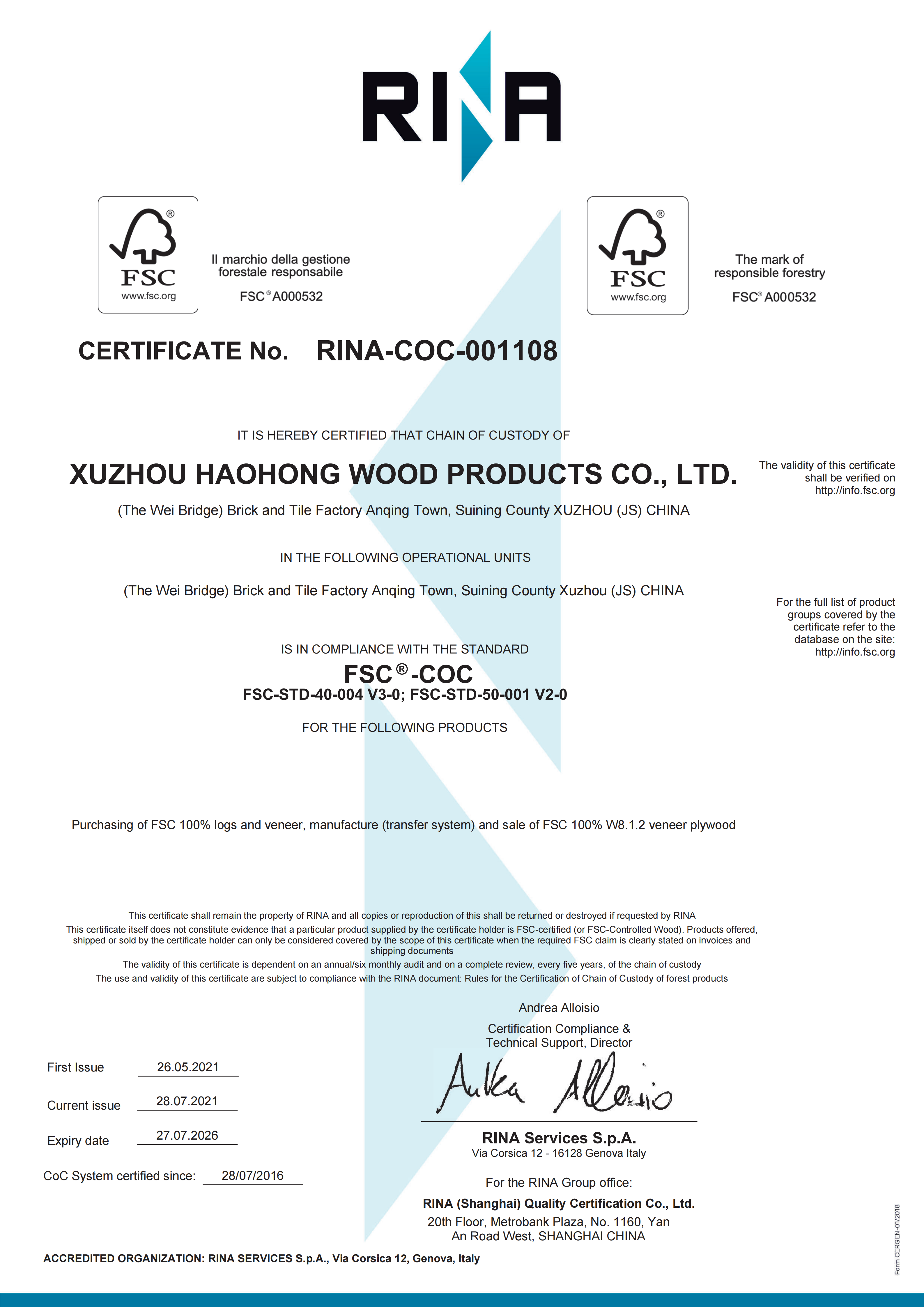
WADA GROUP products are certified with FSC, EUDR, CARB P2, EPA, JAS & JIS. For a new buyer, the efficient habit is to write the certificate list into the enquiry itself: it forces the specification conversation to happen before the price conversation, not after.
FAQ: First Questions New Panel Buyers Ask
1. Do engineered wood panels need certification before they can be exported?
For most regulated destinations, yes — and the required certificate depends on the market, not on the panel family. Japanese imports are commonly specified against JAS standards for LVL and plywood and JIS standards for fiberboard; Australia and New Zealand reference AS/NZS 4357.0:2005 (R2016) for structural LVL and AS 6669-2016 for formwork plywood; the United States enforces formaldehyde emission limits through CARB Phase 2 and TSCA Title VI, with EPA limits of 0.11 ppm for MDF and 0.05 ppm for hardwood plywood; the European Union requires CE marking eligibility under EN 13986 for wood-based panels used in construction. WADA GROUP products are certified with FSC, EUDR, CARB P2, EPA, JAS & JIS.
2. Can engineered wood panels be customized in size, thickness, and layout?
Yes, within production limits. WADA GROUP operates OEM/ODM programs with customization across size, thickness, and layout, supported by a monthly panel capacity of over 10,000 CBM. The available ranges differ by panel family: MDF runs 1.2–50 mm thick in formats from 4×8 to 8×16 ft, commercial plywood runs 2–25 mm, film faced plywood runs 4–35 mm, and melamine board runs 2–30 mm. Customization requests are normally answered together with the core, glue class, and certificate that the target market requires.
3. What drives the cost of an engineered wood panel?
Cost is set by the build-up, not by the panel name. The main variables are core species and construction (poplar, eucalyptus, birch, combi, or full-birch cores behave and price differently), adhesive system (E0, CARB P2, E1, or E2 for interior boards; MR, melamine WBP, or phenolic WBP where moisture exposure is expected), thickness and density, surface treatment (film, natural veneer, melamine paper, PET film, or HPL), and the certification and packing the destination market requires. Because these fields differ between quotations, comparing two prices without first aligning core, glue, and thickness does not produce a meaningful comparison.
4. How should a new buyer validate a panel before placing a first order?
Validation should follow the specification, not the sample photo. Ask for the data sheet fields — face and back species, core, glue, thickness, density, and moisture content — then ask for the certificate copies that apply to your market, and request a physical sample that matches the build-up you intend to order. For a first order, the minimum order quantity at WADA GROUP is 1×40’ container, with 100% inspection before shipment. Buyers who want to test a panel against their own production line can send their application details and required specification to the WADA GROUP sales team to request samples, a quotation, or the current product catalogue. The company can be reached at wada@wadatrade.com or via WhatsApp on +86 131-3003-0584.
5. What lead time and order size should a first-time buyer expect?
At WADA GROUP, production lead time is 25–45 days and the minimum order quantity is one 40-foot container, with packing in export standard pallets or loose packing depending on the panel and the destination. Total time from enquiry to arrival also includes specification confirmation, documentation for the destination market, and ocean transit — which is why buyers are usually advised to lock the specification fields first and the shipment schedule second. WADA GROUP exports from production bases in China and serves markets including North America, the EU, Australia, Japan, South Korea, the Middle East, Mexico, and South America, with overseas branches in Japan and Singapore.
Where to Start
Engineered wood panels stop being confusing once they are read as build-ups rather than as names. MDF is fiber; plywood is cross-laid veneer; LVL is parallel veneer; veneered and melamine boards are surfaces carried on one of those cores. Add the adhesive class, the thickness and density fields, and the certificate your market requires, and a beginner has everything needed to read a panel data sheet competently.
From there, the sourcing process is ordinary: define the working condition, match the core, confirm the certification, request the sample and the data sheet, then agree the commercial terms. Buyers who want to work through those steps with a manufacturer and exporter of engineered wood products can start with the current WADA GROUP catalogue and specification ranges.
Next step: Review the full WADA GROUP product range — LVL, plywood, veneered board, MDF, OSB, wall panel, and woodworking machinery — and match a panel build-up to your application.
Download the catalogue: WADA Group Product Catalogue (PDF)
Website: www.wadaplywood.com | Email: wada@wadatrade.com | WhatsApp: +86 131-3003-0584
Dalian WADA International Trading Co., Ltd. — Room 702, Building A, Xinghai International Financial Center, NO.13-15, Area A Xinghai Square, Shahekou District, Dalian, China.
Have Questions or Need More Details?
Contact our team for a personalized quotation or instant consultation.
Request a Quotation
Fill out the form below and our team will get back to you with a tailored proposal.
WhatsApp Direct Chat
Prefer to chat in real-time? Message us on WhatsApp for instant assistance & quick answers.
- Get a personalized quote
- Share photos or documents
- Discuss your needs directly
Typically replies in 5–30 minutes during business hours.