
Wood Panel Long-Term Partnership FAQ: MOQs, Lead Times, QC, and After-Sales Support
A long-term wood panel partnership is a production arrangement, not a discount arrangement. Four operating numbers decide whether it holds: a minimum order quantity of one 40-foot container, a standard production lead time of 25 to 45 days, quality control built on 100% inspection, and after-sales support delivered as remote support. This FAQ answers those questions in buyer language, then explains how OEM/ODM capability, monthly panel capacity of over 10,000 CBM, and a stable repeating specification keep raw material fluctuation and production process risk under control.

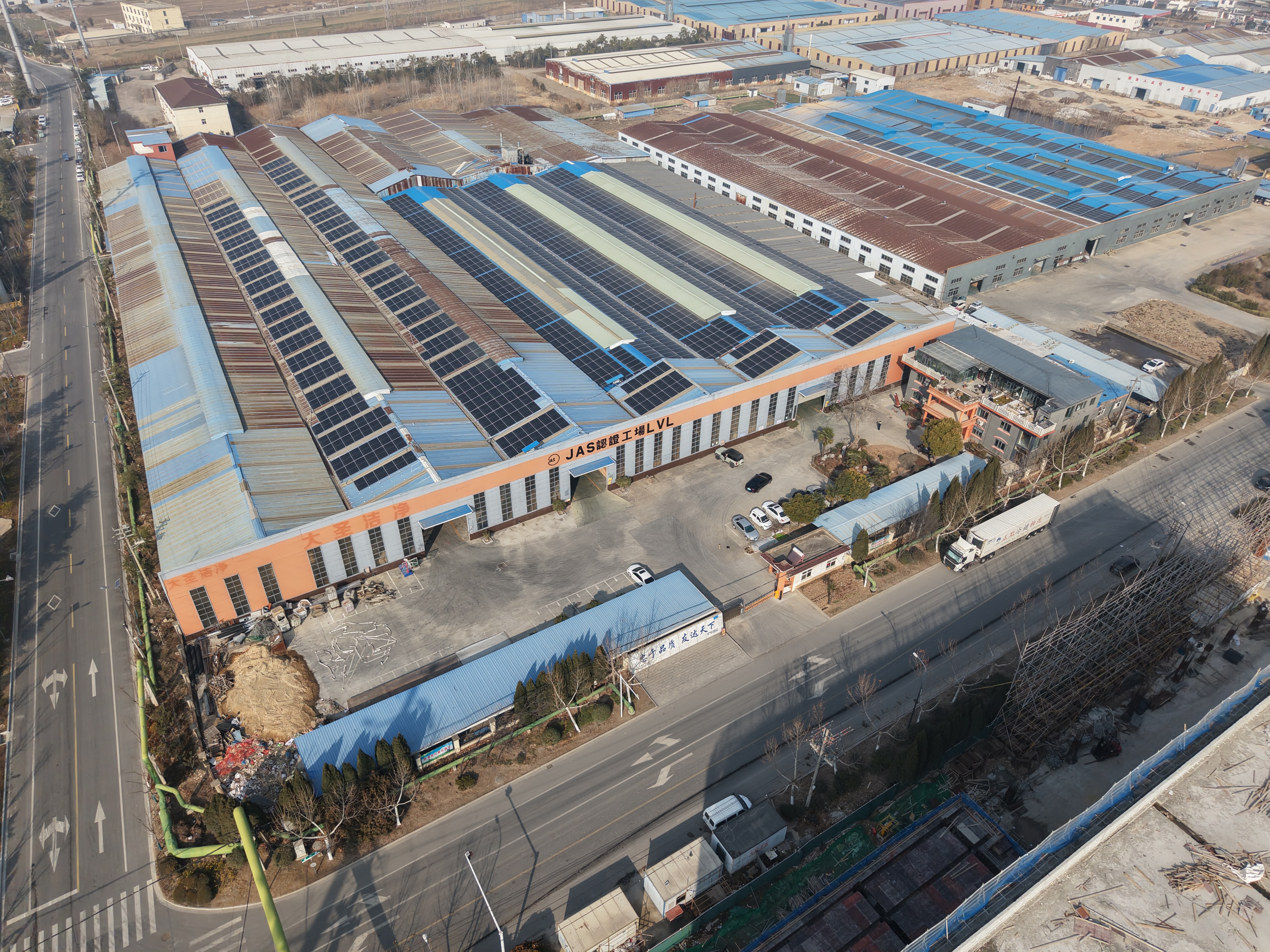
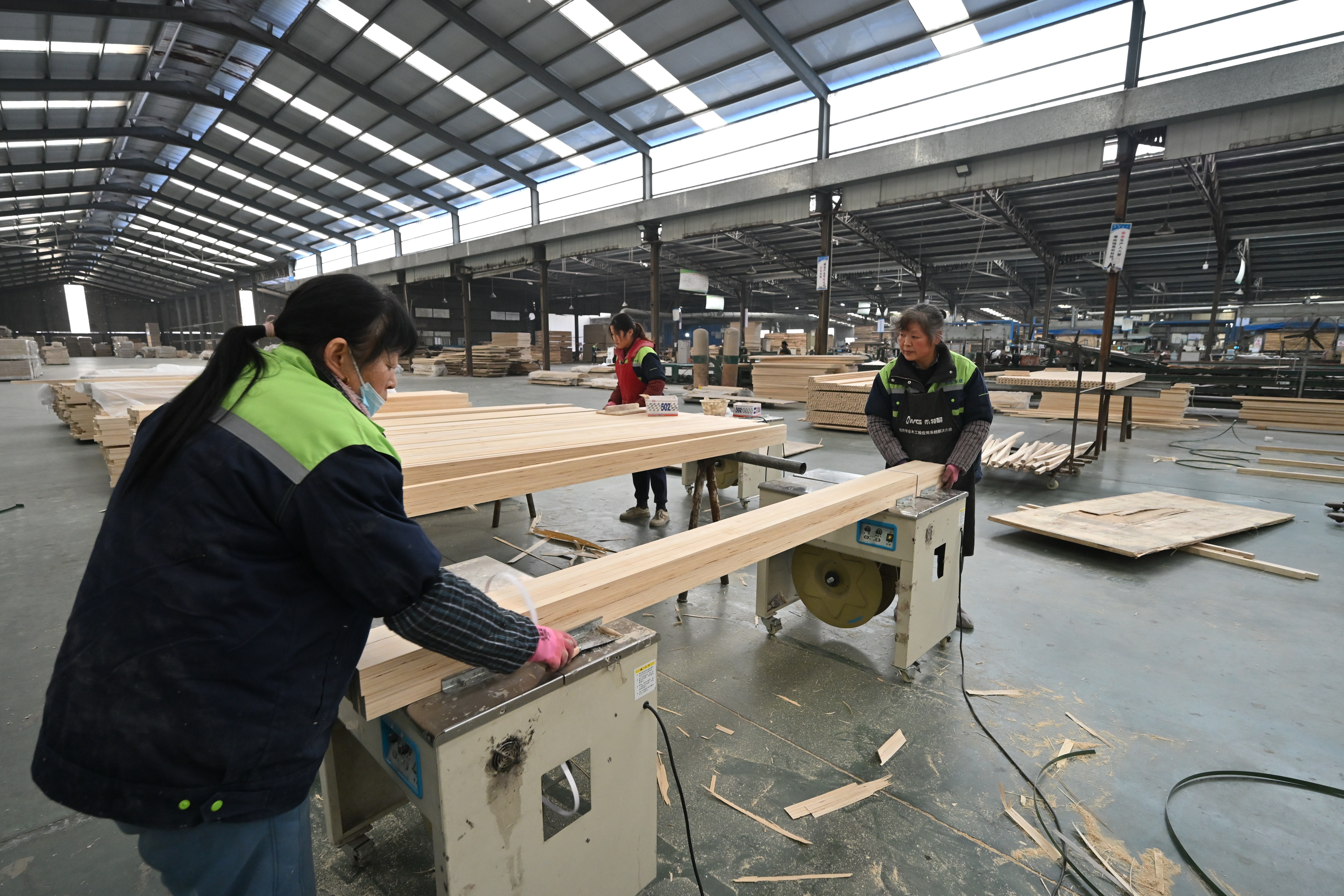
Dalian WADA International Trading Co., Ltd., which operates as WADA GROUP, is a manufacturer and global exporter of engineered wood products established in 2010 and based in Dalian, China. The company runs a 53,950 m² production area with 200 employees and a 25-engineer R&D team, exports 100% of its output, and serves North America, the EU, Australia, Japan, South Korea, the Middle East, Mexico and South America. Its panel range covers MDF, LVL, Plywood, Veneered Board and Melamine Board, alongside wall panel and woodworking machinery. Every answer below describes that operating model directly.
Problem Definition: Why Panel Relationships Break Down After the First Order
A one-off panel purchase is optimised for a single variable: the unit price of one lot. A partnership has to be optimised for repeatability across dozens of lots, and repeatability is where sourcing relationships actually fail. The same five failure patterns appear again and again:
- Specification drift. Face species, core build, glue class or thickness tolerance is changed quietly between orders, and the buyer first notices it at the saw or on the finishing line.
- Sampled quality control. When inspection covers part of a lot instead of all of it, the defective pallet is found by the buyer's customer rather than in the supplier's yard.
- Lead time as a promise rather than a schedule. A quoted lead time with no visible drivers behind it cannot be planned against, especially when the buyer has its own delivery commitments to meet.
- An undefined after-sales path. Many buyers discover only after the first dispute that "after-sales" means whoever happens to answer the phone that day.
- MOQ and inventory-cycle mismatch. If the supplier's batch logic and the buyer's sell-through do not line up, working capital and warehouse space absorb the difference.
For a furniture manufacturer, distributor or contractor, the cost of these failures is rarely the panel itself. It is the re-cutting, the re-finishing, the re-certification of a finished batch, and the explanation owed to a downstream customer. That is why the questions in this article are commercial questions before they are technical ones — and why they are worth answering before the first container rather than after the third.
Industry Background: Why Supply Continuity Is Now a Competitive Input
The commercial context explains why buyers increasingly treat supply continuity as an input rather than a bonus. The global plywood market was valued at USD 80.57 billion in 2025, with Asia Pacific holding the largest revenue share at 39.4% (Grand View Research). The global MDF market is projected to grow from USD 44.96 billion in 2025 to USD 82.24 billion by 2033, a CAGR of 8.2% (Grand View Research). Oriented strand board production reached over 32 million cubic meters globally in 2024, with the USA alone accounting for 14 million cubic meters (Market Reports World). Growth of that order pulls hard on raw material supply — and raw material supply is precisely where transactional buying is most exposed.
Two structural pressures sit on top of volume growth. The first is compliance. Wood-based panels used in construction in the European Union must comply with the harmonized standard EN 13986 to be eligible for CE marking (European Panel Federation), while in the United States the EPA TSCA Title VI regulation caps formaldehyde emissions at 0.11 ppm for MDF and 0.05 ppm for hardwood plywood. Compliance is not a certificate bought once; it is a production discipline that has to survive every change of glue, fiber or veneer lot.
The second is consolidation. West Fraser Timber, Arauco, Kronospan and EGGER Group are recognised as the leading global players in the wood-based panel market (Global Market Insights), and large buyers increasingly benchmark process control at that level. For most importers, converters and project buyers, the practical alternative is not another trading desk — it is a manufacturing partner whose certificates can be verified line by line, whose capacity can absorb repeat orders, and whose QC does not shift when a new raw material lot arrives. That is the working definition of a long-term partnership in this category: not the lowest quote on the day, but the supplier whose third, sixth and tenth container matches the first.
What a Long-Term Wood Panel Partnership Covers: The Five Questions Buyers Ask First
Short answers first, then the operating detail behind each one: minimum order quantity 1x40' container; standard production lead time 25–45 days; quality control by 100% inspection; after-sales support by remote support; monthly panel capacity over 10,000 CBM with OEM/ODM production and size, thickness and layout customization available.
1. Minimum Order Quantity: One 40-Foot Container
The minimum order quantity is one 40-foot container. Because that threshold is set at container level rather than pallet level, the planning question changes: it is no longer "how few panels can I buy" but "how do I build a container that matches my sell-through and my customer mix". Distributors usually answer that by anchoring an order cycle to a container and holding a working buffer behind it. Furniture manufacturers answer it by grouping decorative faces and core specifications that share a production setup, so one container covers several SKUs without splitting the order. Knowing the MOQ in advance is what prevents the mid-season request for a partial load, and it also defines where a partnership begins: the first container tests specification control, and every container after it repeats the same test.
2. Standard Lead Time: 25 to 45 Days
Standard production lead time is 25 to 45 days, and the range is specification-driven rather than a marketing buffer. Where a given order lands inside that window depends on the panel build, the availability of the face and core materials at the point of order confirmation, the thickness and size schedule, and the finishing route — a raw MDF panel and a melamine-faced board with a specific paper finish do not travel through the line in the same way. The practical rule for buyers is to plan the upper end of the range for a new specification and the lower end for a specification that is already running. Buyers who quote their own customers on the optimistic end of a first-time specification are usually the ones who later describe lead time as unreliable; buyers who quote 45 days and receive the goods earlier describe the same supplier as fast.
3. Quality Control: 100% Inspection Inside a Multi-Stage Routine
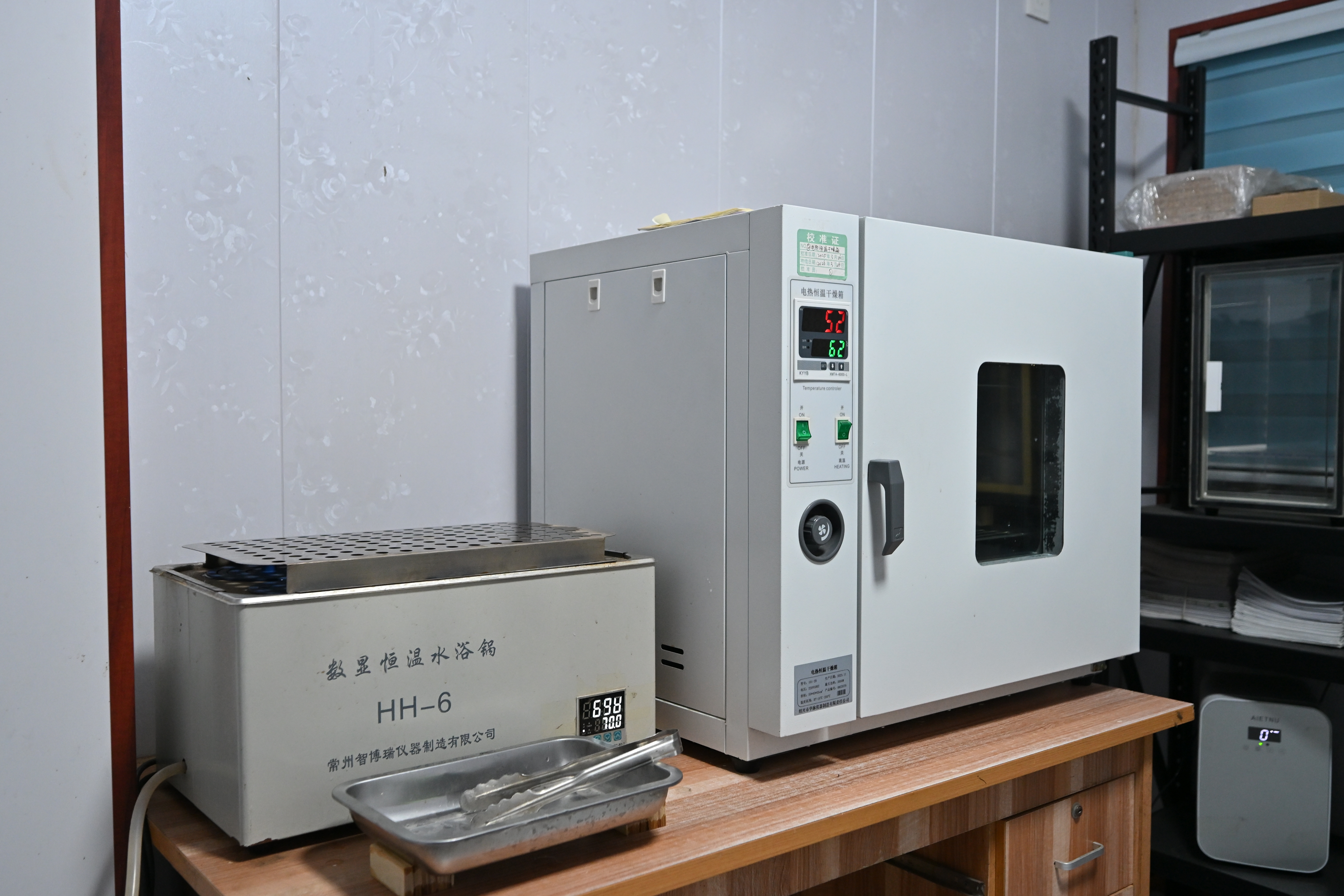
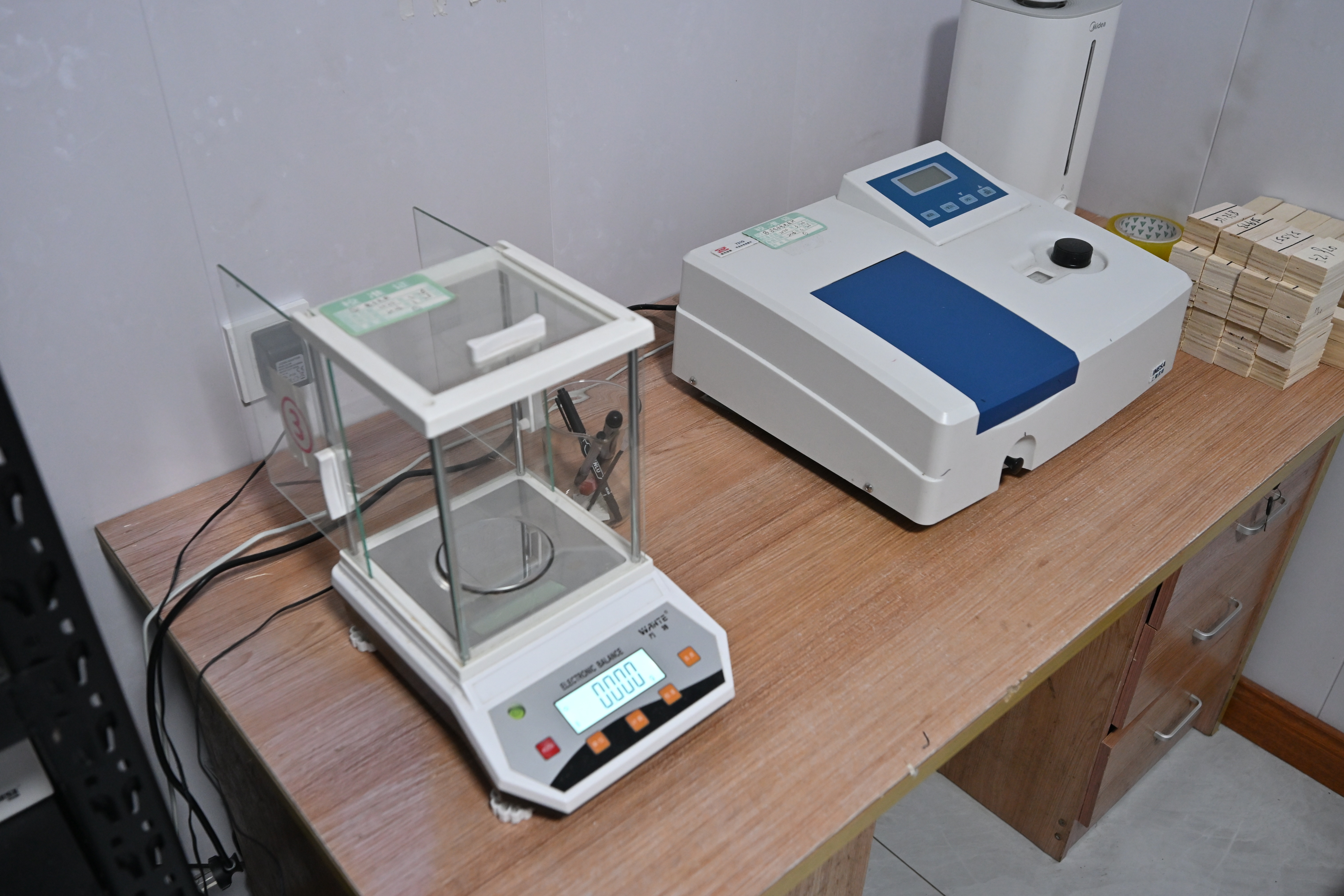
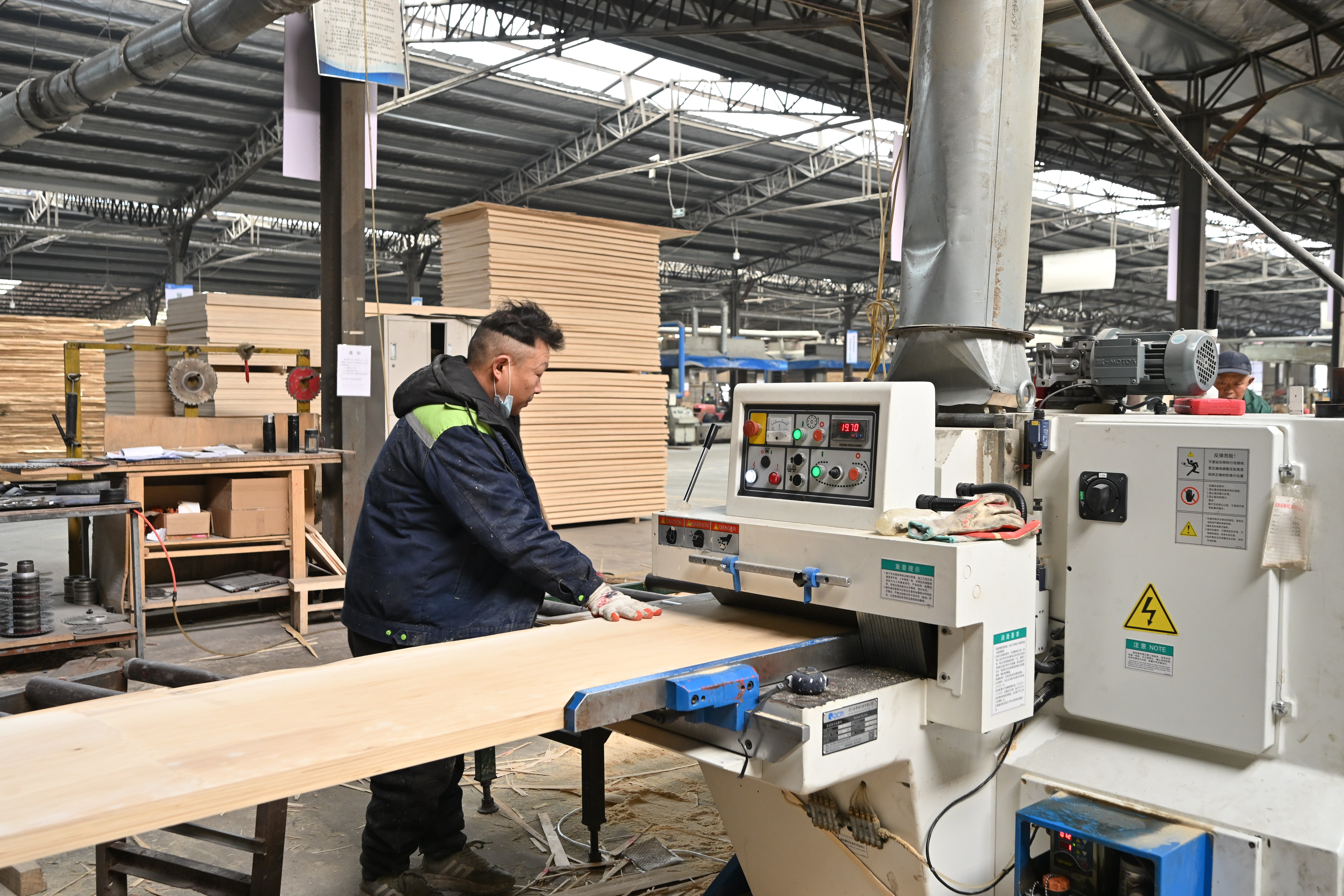
Quality control is based on 100% inspection — every panel is inspected rather than a statistical sample of the lot. Around that standard sits a multi-stage routine that starts before production and finishes before the container is sealed:
- Raw material stage: incoming veneer, fiber and glue inputs are checked against the agreed specification before they enter the line.
- In-process stage: pressing parameters, thickness, density and moisture content are monitored while panels are being produced, so a drift is corrected inside the run instead of being discovered at the end of it.
- Surface and finishing stage: face grade, veneer matching, film or melamine paper quality and edge condition are checked panel by panel.
- Pre-shipment stage: the agreed acceptance criterion is a pre-shipment test, which is the point where the buyer's specification and the supplier's output are formally reconciled before shipment.
The QC function at WADA GROUP combines an experienced inspection team, a technical team, and workers with more than ten years in the timber industry. For a buyer, the value of that structure is that the checkpoints are named and repeatable, which is what turns a 100% inspection claim into something that can be verified order after order.
Because inspection only means something against a fixed specification, a partnership needs the parameters written down once. The ranges below are working parameters of the panel range, and they are the values a buyer should reconcile with their own machining and finishing setup:
| Panel | Thickness range | Density | Moisture content | Glue options |
|---|---|---|---|---|
| MDF | 1.2–50 mm | 500–1000 kg/m³ | 5%–13% | E0 / CARB P2 / E1 |
| Structure Plywood | 9–28 mm | 650–750 kg/m³ | 8%–12% | Melamine WBP / Phenolic WBP |
| Film Faced Plywood | 4–35 mm | 650–750 kg/m³ | 8%–12% | MR / Melamine WBP / Phenolic WBP |
| LVL (bed slat grade) | 7–15 mm | 520 kg/m³ | 8%–12% | E0 / E1 |
| Veneered Board | 2–25 mm | 500–750 kg/m³ | 8%–12% | E0 / CARB P2 / E1 / E2 / Melamine |
| Melamine Board | 2–30 mm | 550–750 kg/m³ | 8%–12% | E0 / CARB P2 / E1 / E2 |
4. After-Sales Support: Remote Support With a Named Path
After-sales service is provided as remote support. For a long-term relationship, what matters is not the label but the scope: the questions that surface in the weeks after delivery — how a panel should be machined or edged for a given application, why a moisture reading differs from a bench reference, which document a customs authority or certification body is asking for, and how a repeat order should be adjusted for the next production run. Buyer-side preparation is straightforward: agree who the contact is on both sides, keep the specification sheet and the pre-shipment test record together, and raise any issue against a batch reference rather than a photograph alone. Support that is defined before the first order is what keeps a specification stable into the third and fourth order.
5. Capacity and Cooperation Models: Over 10,000 CBM per Month, OEM/ODM Available
Monthly panel capacity exceeds 10,000 CBM. Capacity at that level matters for one specific reason: it makes reserved production realistic. A buyer supplying a retail programme, a distributor network or a project schedule cannot build a plan on spot availability; the supplier has to be able to place a repeat order into a running line without displacing other commitments. OEM and ODM production services are available, and customization covers size, thickness and layout. In practice, a distributor can carry its own brand on a panel built to its own specification, a furniture manufacturer can standardise on the thickness and face grade that matches its machining setup, and a project buyer can order a size that reduces cutting waste. The cooperation model therefore scales with the buyer — from a single specification repeated every cycle to a wider programme covering several panel families at once.
Step-by-Step: How a Partnership Order Moves From Inquiry to Delivery
The sequence below is the working order of a partnership order. Each step produces one document or decision that the next step depends on, which is what makes the whole process repeatable rather than improvised.
- Align one specification sheet. Panel type, core and face material, glue class, thickness, density, moisture content, size and packing are agreed in writing, including the tolerance you will actually accept on your own line.
- Match certification to the destination market. Confirm which certificate covers the product and the market — FSC, EUDR, CARB P2 and EPA for North America; JAS and JIS for Japan; AS/NZS 4357.0:2005 structural LVL and AS 6669-2016 formwork plywood documentation for Australia and New Zealand; JIS A 5905 for fiberboards (MDF); JAS 0701:2023 for laminated veneer lumber (LVL); JAS 0233:2024 for plywood.
- Fix the commercial terms. Minimum order quantity 1x40' container; delivery terms FOB or CIF; payment terms T/T 30/70 or 50/50; acceptance criterion pre-shipment test.
- Reserve the production slot. Standard lead time is 25–45 days. A repeat order sits at the lower end, a new specification at the upper end, and both are planned against your own delivery commitments rather than in isolation.
- Run in-process and pre-shipment inspection. QC follows the multi-stage routine through production and then closes with the pre-shipment test against the agreed specification.
- Ship, then carry the specification forward. The same sheet, the same parameters and the same acceptance criterion are reused for the next container — the mechanism that removes re-qualification work from every repeat order.
Use Cases: What Long-Term Supply Looks Like in Practice
Partnership language becomes concrete when it is tied to real supply relationships. The examples below come from orders placed by buyers who stayed on the same specification across multiple shipments.
- Furniture manufacturing, Mexico — 100 containers. Veneered Board, Melamine Board, LVL and MDF supplied for furniture and cabinet decoration, with a fashion-forward surface as the stated highlight. The value of this programme is repeatability of the decorative face: a supplier selling on to furniture makers cannot absorb a shade change between containers.
- Building structure, Japan — 200 containers. Film Faced Plywood and Structure Plywood for building structure, achieving high strength results with high durability and waterproof performance as the key properties. This is the compliance-heavy end of the range, where JAS documentation and a consistent glue class matter more than unit price.
- Building structure, Australia — 50 containers. Structure Plywood and Film Faced Plywood for building structure, again with high durability, waterproof performance and a high-strength result. Australia and New Zealand are also the markets where AS/NZS 4357.0:2005 structural LVL and AS 6669-2016 formwork plywood documentation is maintained.
- Outdoor cladding, Portugal — 20 containers. Marine Plywood for outdoor cladding, achieving weather-resistant performance with UV resistance as the highlight — a smaller but steady programme where the specification is fixed by the exposure conditions.
- Plywood manufacturing, Vietnam — one complete production line. The widest cooperation model in the portfolio: the same manufacturing relationship extended from panels to line-level capability, which shows the partnership is not limited to finished-board supply.
Across all five examples, the recurring factor is not the container count. It is that each buyer repeated orders against a specification that did not move.
Comparison: One-Off Purchase vs. Long-Term Wood Panel Partnership
The table below sets the two buying models side by side on the dimensions that generate cost after the invoice has been paid.
| Decision dimension | One-off purchase | Long-term partnership (WADA GROUP terms) |
|---|---|---|
| Order quantity | Set per shipment, often driven by one tender or one promotion | Minimum order quantity of 1x40' container, planned into a rolling inventory cycle |
| Lead time planning | Quoted case by case, hard to schedule upstream | Standard production lead time of 25–45 days, planned into a repeating schedule |
| Quality control | Inspection depth varies by lot and by supplier | 100% inspection within a multi-stage QC routine covering raw material, in-process, surface and pre-shipment stages |
| Specification stability | Spec is renegotiated per order and can drift | Spec sheet fixed once and reused: panel type, core and face, glue class, thickness, density, moisture content |
| Compliance and documents | Certificates requested only when a market asks | FSC, EUDR, CARB P2, EPA, JAS and JIS documentation maintained across the range |
| Capacity access | Depends on idle capacity at the moment of enquiry | Over 10,000 CBM of panel capacity per month supports reserved and repeat production |
| Customization | Limited to what is in stock or in the current run | OEM and ODM production plus size, thickness and layout customization |
| After-sales | Usually ends at the bill of lading | Remote support continues after delivery through a named contact path |
| Commercial terms | Varies with every deal | MOQ 1x40' container; FOB or CIF delivery terms; T/T 30/70 or 50/50 payment terms; pre-shipment test as the acceptance criterion |
| Main risk absorbed | Buyer carries raw material fluctuation and process variability | Raw material fluctuation and production process risk are managed inside a stable, repeating specification |
Note: the right-hand column describes the operating terms of Dalian WADA International Trading Co., Ltd. (WADA GROUP). The left-hand column describes general characteristics of transactional, single-lot buying rather than the practice of any specific supplier.
FAQ: Long-Term Wood Panel Partnership Questions Answered
Which certifications should a buyer verify before committing to a long-term wood panel supplier?
Verify the certificate that covers your product and your destination market, not a general company certificate. WADA GROUP states FSC, EUDR, CARB P2, EPA, JAS and JIS certification across its range, with product-specific standards including JIS A 5905 for fiberboards (MDF), JIS A 5908 for particle board, JAS 0701:2023 for laminated veneer lumber (LVL), JAS 0233:2024 for plywood, AS/NZS 4357.0:2005 for structural LVL and AS 6669-2016 for 17 mm formwork plywood. Two regulatory references are worth keeping in the sourcing file: in the European Union, wood-based panels used in construction must comply with EN 13986 to be eligible for CE marking (European Panel Federation), and in the United States EPA TSCA Title VI caps formaldehyde emissions at 0.11 ppm for MDF and 0.05 ppm for hardwood plywood. A long-term partner should be able to match a certificate to a specific product line and a specific market on request.
Can a long-term wood panel partner support OEM, ODM and customized specifications?
Yes — OEM and ODM production services are provided, and customization covers size, thickness and layout. The capability that makes customization practical at volume is the supporting structure: monthly panel capacity of over 10,000 CBM, a 25-engineer R&D team, and a 53,950 m² production footprint. In practice, a manufacturer can standardise a panel to its own machining setup, a distributor can brand a specification for its own market, and a project buyer can order a size or layout that reduces waste. Customization is only worth asking for if it can be repeated identically on the next order, so treat the first container as the reference standard for the specification.
Does a long-term partnership cost more than buying container by container?
The two models are not priced on the same basis, and price per container is the wrong lens for the comparison. A long-term relationship is defined commercially by terms a buyer can plan around: minimum order quantity 1x40' container, delivery terms FOB or CIF, payment terms T/T 30/70 or 50/50, and pre-shipment test as the acceptance criterion. What changes the total cost picture over a year is everything around the unit price — a specification that does not drift, a QC routine that catches defects before shipment rather than after installation, and a capacity base of over 10,000 CBM per month that keeps lead time at 25–45 days instead of depending on spot availability. Buyers evaluating budget should compare the landed cost of a full year of supply, including the cost of one failed batch, against the unit price of a single favourable lot.
How can a buyer validate panels before committing to container volumes?
Validation works on two levels. At the order level, the stated acceptance criterion is a pre-shipment test, so panels are tested against the agreed specification before they leave. At the specification level, the parameters that matter — thickness, density, moisture content and glue class — are recorded on one sheet and reused. MDF, for example, runs from 500 to 1000 kg/m³ density with moisture content between 5% and 13% and glue options of E0, CARB P2 or E1, while Structure Plywood runs at 650–750 kg/m³ with moisture content of 8%–12% and Melamine WBP or Phenolic WBP glue. Asking a supplier to confirm those values in writing, and to supply the matching certificate for your market, is a faster validation route than testing an untraceable sample. Buyers can also request current product documentation and a panel sample before committing to a programme.
What MOQ and lead time should be built into a production schedule?
Plan on a minimum order quantity of 1x40' container and a standard production lead time of 25 to 45 days. How that window applies to your order depends on whether the specification is new or already running, on the thickness and size schedule, and on the availability of the face and core materials at the time of confirmation. Two habits keep schedules intact: quote the upper end of the range for a first-time specification, and treat the lower end as achievable only for a repeat of a specification already in production. With monthly capacity above 10,000 CBM, a repeat order can be reserved into a running slot rather than queued behind speculative demand. To check how your specification fits the schedule, send the panel type, thickness, density, moisture content and destination market to wada@wadatrade.com or WhatsApp +86 131-3003-0584 — the answer will be specification-matched rather than generic.
Conclusion: Six Questions to Ask Before You Commit
Consistency and supply continuity are the two assets a long-term wood panel relationship actually purchases. A one-off quotation can always be lower on the day. What a partnership buys is a specification that holds, an inspection standard that does not soften, and a production slot that exists when your own customer is waiting. Before committing, put these six questions to any supplier:
- What is the minimum order quantity, and how does it fit my inventory cycle? (1x40' container)
- Which end of the 25–45 day lead time applies to my specific build?
- Who inspects, at how many stages, and against what acceptance criterion? (100% inspection; pre-shipment test)
- Which certificate covers my product and my destination market?
- What does after-sales support actually look like, and who owns the contact on both sides? (remote support)
- How much monthly capacity can be reserved for my repeat orders? (over 10,000 CBM)
Next Step: Match a Specification, Not Just a Price
Send your panel specification — panel type (MDF, Plywood, LVL, Veneered Board or Melamine Board), thickness, density, moisture content, glue class, size and destination market — and receive a specification-matched response on MOQ, lead time and certifications.
Email: wada@wadatrade.com | WhatsApp: +86 131-3003-0584 | Website: www.wadaplywood.com
Download the full product brochure: WADA GROUP brochure (PDF)
Dalian WADA International Trading Co., Ltd. (WADA GROUP) — manufacturer and global exporter of engineered wood products, established 2010.
Have Questions or Need More Details?
Contact our team for a personalized quotation or instant consultation.
Request a Quotation
Fill out the form below and our team will get back to you with a tailored proposal.
WhatsApp Direct Chat
Prefer to chat in real-time? Message us on WhatsApp for instant assistance & quick answers.
- Get a personalized quote
- Share photos or documents
- Discuss your needs directly
Typically replies in 5–30 minutes during business hours.