
Finished Wood Panels or In-House Production Lines? A Decision Guide by Business Stage
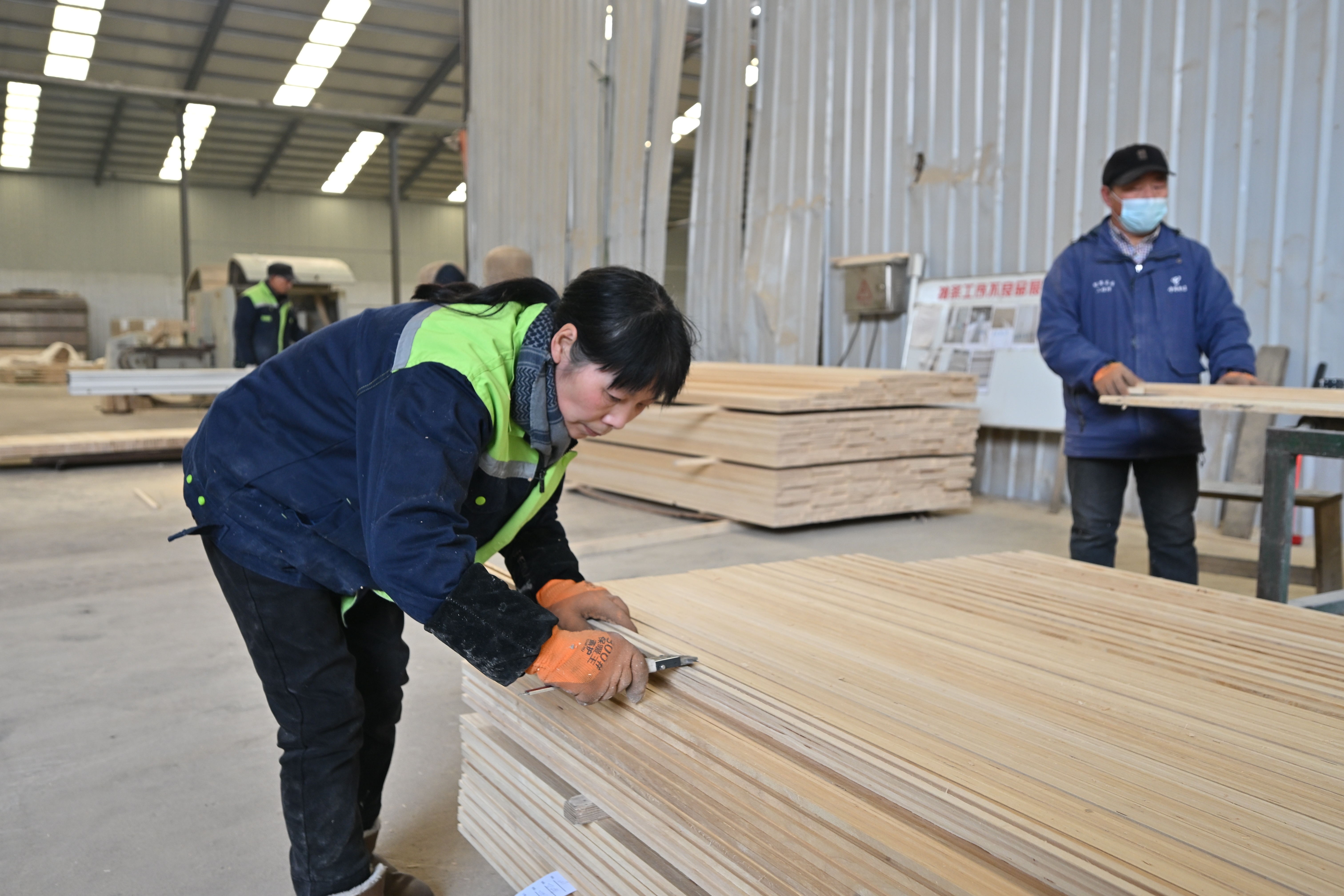
A WADA GROUP production site. The same operation supplies finished wood panels and complete production lines.
The choice between buying finished wood panels and investing in an in-house production line is a business-stage decision, not a unit-price decision. Buyers whose model is resale — importers, distributors, project suppliers — are usually served better by finished panels, because the product mix can change between shipments and no fixed cost is committed. Buyers whose model is continuous consumption — furniture, flooring, structural applications — eventually reach a volume point where owning the process changes their cost structure, with labor reduction of 30–50% achievable through automation and process optimization on a properly specified line.
Dalian WADA International Trading Co., Ltd. (WADA GROUP) is a China-based manufacturer and global exporter of engineered wood products, established in 2010 in Dalian, that supplies both finished panels and complete production lines. That dual position makes a direct comparison possible against one supplier's operational facts: 10+ panel categories, 15+ types of machinery, 100% inspection and multi-stage QC, a 1x40' container minimum order quantity, a 25–45 day lead time, and 10,000+ CBM of monthly panel capacity.
This guide is written for buyers at the decision stage. It defines what each path commits you to, sets out the market and compliance context for 2026, breaks the choice into six checks, then closes with two comparison tables and the questions buyers ask most often before signing.
Problem Definition: What the Buy-or-Build Question Really Decides
Almost every buy-or-build comparison starts with a price per panel. That number is useful for negotiating a purchase order and misleading for a capital decision, because it excludes the four variables that actually move when a buyer changes path:
- Working capital. Buying panels converts capital into inventory that can be sold. Building a line converts capital into equipment that must be utilized.
- Labor and skills. Buying panels requires procurement and quality-verification staff. Running a line requires operators, maintenance technicians, and process engineering — a different hiring profile.
- Quality and compliance responsibility. A supplier's QC and certification either protects the buyer or stops protecting the buyer. Own the process and you own the obligation.
- Flexibility. A panel order can change substrate, thickness, or surface between shipments. A line is configured for a defined product envelope.
Path A — buying finished panels — keeps all four variables light, and the supplier absorbs production labor, defect risk, and certification upkeep. Path B — investing in a complete production line — converts flexibility into a fixed asset and recovers it through lower labor cost and better process efficiency. WADA's production line solutions help customers reduce labor by 30–50% and improve efficiency through automation and process optimization, while suppliers that only sell panels do not participate in production and therefore offer no efficiency or energy improvements.
The capability gap between the two supplier models is wider than most first-time buyers expect. WADA's portfolio includes 10+ panel categories and 15+ types of machinery, enabling full-process solutions from log to finished board, whereas panel-only supply typically covers 5–6 panel products with no production equipment or system integration. That gap is not a quality judgment about any single board; it defines how far a sourcing partner can follow a business as it grows. If a buyer intends to move from purchasing board to making board, the partner either has a second path or it does not.
Both paths also carry the same four operational risks — raw material fluctuation, panel quality inconsistency, delivery delay, and multi-supplier coordination. What changes is where the control sits. Finished-panel buyers transfer those risks to the supplier; line owners take them in-house and must build the equivalent controls themselves.
Industry Background: Why 2026 Buyers Are Re-Running This Comparison
Demand is the first reason. The global plywood market was valued at USD 80.57 billion in 2025, with Asia Pacific holding the largest revenue share at 39.4% (Grand View Research). The global Medium Density Fiberboard market is projected to grow from USD 44.96 billion in 2025 to USD 82.24 billion by 2033, a CAGR of 8.2% (Grand View Research). Oriented Strand Board production reached over 32 million cubic meters globally in 2024, of which the USA accounted for 14 million cubic meters (Market Reports World). Growth of that scale keeps capacity access a negotiating point rather than a commodity assumption.
Treat third-party market sizing as directional, not as an input to your own model. Published estimates diverge: the 2025 plywood market is valued at USD 80.57 billion by Grand View Research and USD 52.5 billion by IMARC Group. A spread that wide is a signal to build your investment case on your own consumption data and your own landed cost, not on an industry total.
Compliance is the second reason. Wood-based panels used in construction must comply with the harmonized European standard EN 13986 to be eligible for CE marking (European Panel Federation), and in the United States the EPA TSCA Title VI regulation sets formaldehyde emission limits for composite wood products at 0.11 ppm for MDF and 0.05 ppm for hardwood plywood (US Environmental Protection Agency). A buyer that moves production in-house inherits these obligations together with the equipment. WADA's panel products are fully certified with FSC, EUDR, CARB P2, EPA, JAS & JIS — which is why the certification question is answered in the FAQ below rather than at the end of a project.
The third reason is concentration. West Fraser Timber, Arauco, Kronospan, and EGGER Group are recognized as the leading companies in the global wood-based panel market (Global Market Insights). Most international buyers do not purchase from that tier directly; they work with mid-size manufacturers and exporters, which is exactly where the choice between finished-panel supply and integrated production is still open.
Detailed Solution: The Two Paths and What Each One Commits You To
Path A — Buying finished wood panels
In this path the supplier owns production, quality control, and certification, while the buyer owns specification, inventory, and market timing. Dalian WADA supplies LVL, plywood, veneered board, MDF, OSB, wall panels, and melamine board, with personalized size and surface customization across the range. The panel family itself covers categories used in furniture frames, bed slats, wall applications, exterior and interior projects, and engineered wood flooring, so a distributor can hold one compliance file and one supplier relationship across several product lines.
The commercial parameters are fixed and quantifiable rather than negotiated per project: a 1x40' container minimum order quantity, a 25–45 day lead time, and 10,000+ CBM of monthly panel capacity standing behind those commitments. For a buyer that resells, that combination is the whole proposition — breadth, repeatability, and no fixed cost.
Path B — Investing in a complete production line
The second path trades flexibility for cost structure. WADA's portfolio includes 10+ panel categories and 15+ types of machinery, enabling full-process solutions from log to finished board: the line, the process design, and the production planning that connects them. The reported labor effect is a reduction of 30–50% through automation and process optimization, and the support model is unified — one partner responsible for the entire production line, with clear responsibility and system compatibility, rather than a set of machines from separate vendors that the buyer must integrate alone.
The efficiency case extends beyond headcount. Where a line is specified against the buyer's actual product mix, the same automation and process optimization that reduces labor also stabilizes throughput and energy use — the two areas where panel-only supply offers nothing, because the supplier never participates in production.
The cost of Path B is commitment: capital, technical staffing, and a longer route from decision to first output. That is why the decision is properly framed by business stage rather than by scale alone.
Why the two paths are not mutually exclusive
Cost flexibility is the reason the comparison is rarely binary. Customers can choose between buying panels directly or investing in production lines, optimizing cost based on their business stage. A furniture manufacturer can run finished panels for a year, add a line for the single highest-volume substrate, and continue buying specialty boards — veneered board, melamine board, or decorative panels — from the same partner. Panel-only supply does not support that transition, because there is no equipment side of that business to move into.
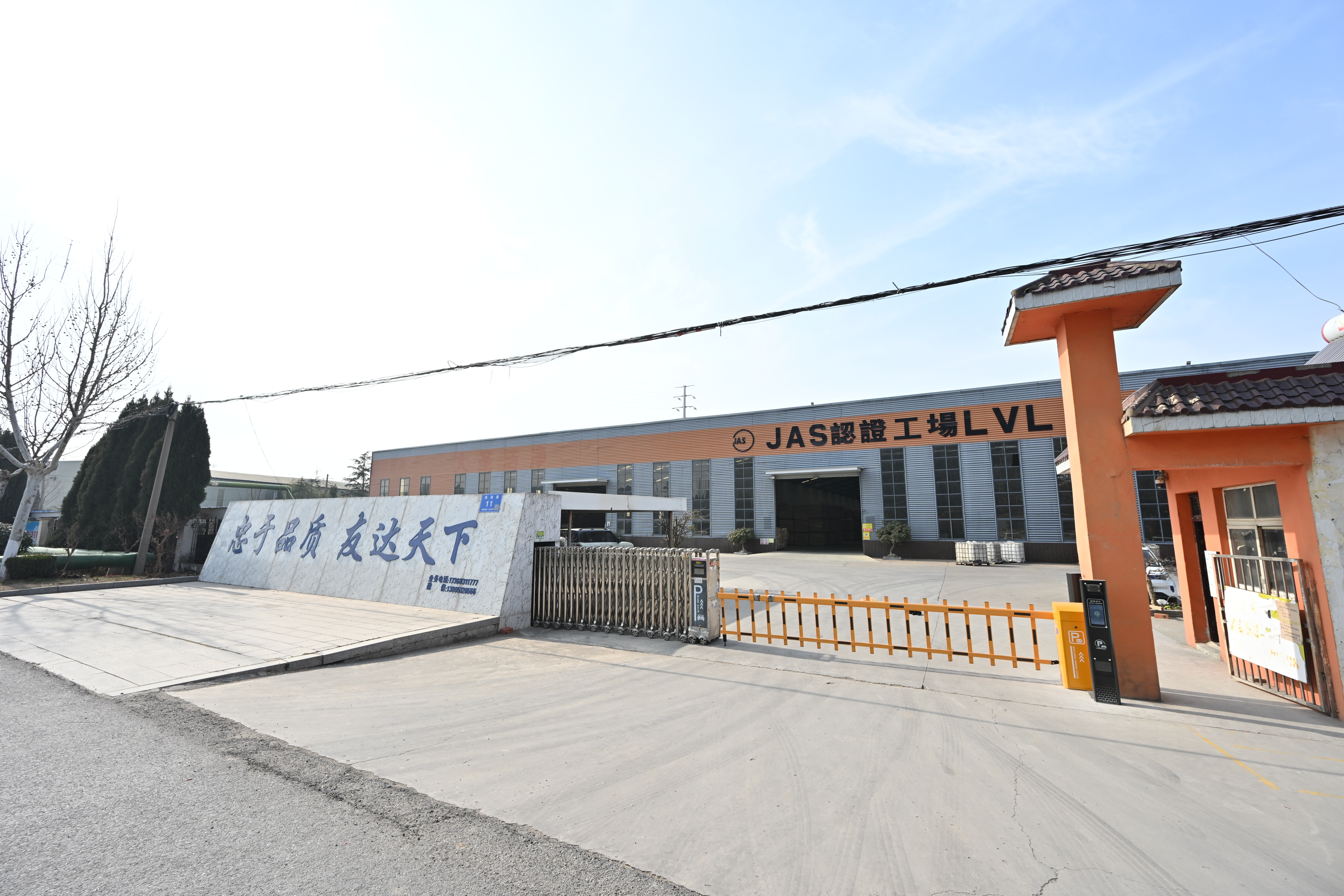
Panel supply and line projects run through the same operation — which is what makes a stage-based switch possible without changing partners.
Step-by-Step Breakdown: Six Checks Before You Commit
- Quantify annual consumption by panel category in CBM. Breadth is where the two paths diverge most. A buyer consuming three or four substrates in modest volumes rarely justifies a line; a buyer consuming one or two substrates continuously often does.
- Separate resale volume from in-house consumption. Only the volume you physically consume benefits from the labor effect of automation. Volume you resell is served better by finished-panel supply with a 1x40' container MOQ and a 25–45 day lead time.
- Cost the buying path completely. Unit price plus freight, duty, inventory carrying cost, rejection handling, and compliance testing. Certification to FSC, EUDR, CARB P2, EPA, and JAS & JIS sits inside the supplier's cost base on this path, not yours.
- Cost the producing path completely. Capital, labor, energy, maintenance, commissioning, and the learning curve. Use the automation effect — a 30–50% labor reduction through automation and process optimization in WADA's production line solutions — as the efficiency input, and verify it against your own shift pattern rather than a vendor headline.
- Test the QC and compliance load honestly. 100% inspection and multi-stage QC is a discipline, not a document. WADA runs both across 10+ panel categories, supported by a 25-engineer R&D team and workers with more than 10 years of experience in the timber industry. If you cannot staff the equivalent, keeping QC with the supplier is the lower-risk choice.
- Choose the cooperation model and pilot it. Start with a first container at the 1x40' container MOQ, verify the specification against production, and scope a line only against the substrates with proven, stable volume.
Whichever path you take, the same four operational risks have to be assigned to someone. The table below shows how WADA controls them on the supply side of the relationship.
| Operational risk | Control method | WADA measure |
|---|---|---|
| Raw material fluctuation | Stable sourcing | Long-term suppliers |
| Panel quality inconsistency | Quality inspection | Multi-stage QC with 100% inspection |
| Delivery delay | Schedule control | Production planning |
| Multi-supplier coordination | Integrated supply | One-stop solution |
Read that table as a transfer document rather than a feature list. On the buying path, these four controls are the supplier's responsibility. On the production line path, a manufacturer takes them over internally — and the last row disappears only if the line partner can also supply the panels that feed it.
Use Cases: Which Path Fits Which Buyer
Importers, distributors, and project suppliers
These buyers need breadth and repeatability, not equipment. A distributor selling plywood, MDF, LVL, and melamine board into construction, furniture, and interior projects cannot forecast a single substrate with enough confidence to commit capital, and its margin comes from mix and availability. The relevant questions are capacity and lead time: 10,000+ CBM of monthly panel capacity, a 25–45 day lead time, and a container-sized MOQ that matches freight economics. WADA exports 100% of its output and serves North America, the EU, Australia, Japan, South Korea, the Middle East, Mexico, and South America, with overseas branches in Japan and Singapore — the operating profile of a supply relationship built for repeated container orders.
Furniture and interior manufacturers scaling output
Here the volume question is real but usually mixed. A manufacturer may consume enough MDF or furniture plywood to justify automation on one substrate while still buying veneered board, melamine board, and specialty panels. The practical model is staged: buy finished panels first, stabilize the specification, then scope a line against the highest-volume substrates. The efficiency case is measurable on the labor side — production line solutions reduce labor by 30–50% through automation and process optimization — and the risk is symmetrical, because once the line runs, quality inconsistency, delivery timing, and raw material fluctuation become internal problems rather than supplier problems.
Factories building or upgrading capacity
Manufacturers already producing and planning an upgrade evaluate equipment breadth, integration, and support above unit price. WADA's portfolio includes 10+ panel categories and 15+ types of machinery, enabling full-process solutions from log to finished board, with a 25-engineer R&D team and a support model in which a single partner is responsible for the entire production line, including system compatibility. That structure is deliberately different from a multi-vendor build, where the coordination risk stays with the buyer.
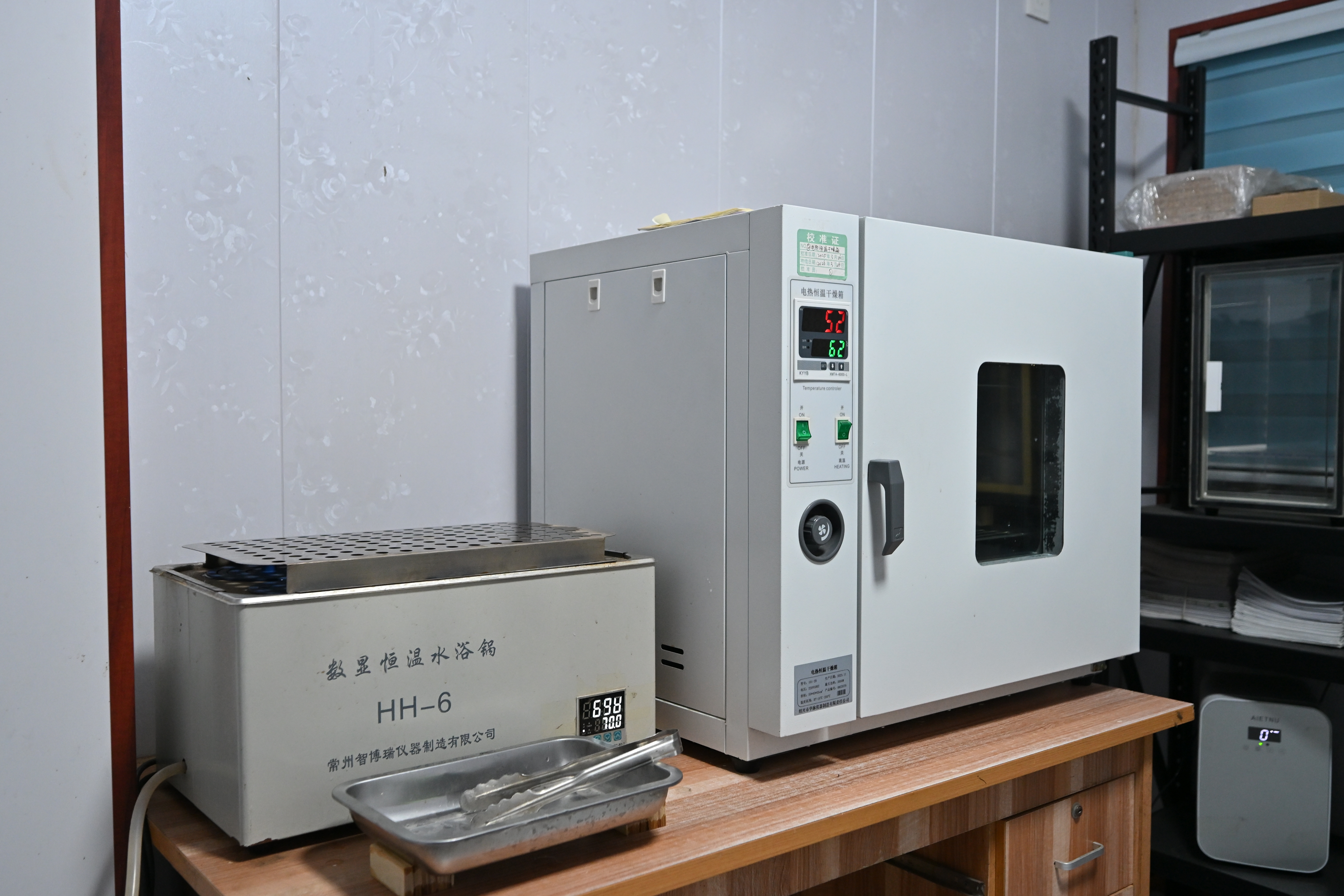
Staged sourcing works because panel supply and line scoping sit in the same portfolio.
Comparison Table One: Buying Finished Panels vs. Building an In-House Line
| Decision dimension | Buy finished wood panels | Invest in a production line |
|---|---|---|
| What you purchase | Finished LVL, plywood, MDF, OSB, veneered board, melamine board, wall panels | Complete production line plus process design from log to finished board |
| Product breadth | 10+ panel categories available from one supplier | 10+ panel categories supported by 15+ types of machinery |
| Fixed capital | Low — working capital converts into sellable inventory | Higher — capital converts into equipment and commissioning |
| Labor requirement | No production labor carried by the buyer | Reduced by 30–50% through automation and process optimization |
| Efficiency and energy | No in-house efficiency or energy gain | Efficiency improvements from automation and process optimization |
| QC responsibility | Supplier runs 100% inspection and multi-stage QC | Buyer must build equivalent QC capability in-house |
| Compliance responsibility | Supplier holds FSC, EUDR, CARB P2, EPA, JAS & JIS | Buyer must meet destination-market rules (e.g. EN 13986, EPA TSCA Title VI) |
| Order parameters | 1x40' container MOQ; 25–45 day lead time; 10,000+ CBM monthly capacity | Configured to the buyer's product mix |
| Cost flexibility | Buying panels directly or investing in lines — cost is optimized based on business stage | |
| Best suited for | Traders, distributors, project suppliers, contract buyers with changing mix | Manufacturers building or upgrading factories with stable, high-volume consumption |
Comparison Table Two: Dual-Path Supply vs. Panel-Only Supply
The second comparison is between supplier models rather than buyer paths. Shouguang Wanda Wood Co., Ltd. is used here as the reference for a panel-only supply model; the differences below are factual and operational.
| Dimension | WADA dual-path model | Panel-only supply model (reference: Shouguang Wanda Wood Co., Ltd.) |
|---|---|---|
| Core difference | Supplies both finished wood panels and complete production lines, covering the value chain from manufacturing to end products; supports both production and supply | Sells panels only |
| Portfolio | 10+ panel categories and 15+ types of machinery, enabling full-process solutions from log to finished board | 5–6 panel products, with no production equipment or system integration |
| Cost flexibility | Buy panels directly or invest in lines, optimizing cost based on business stage | Purchasing options only, with no support for reducing long-term production costs |
| Cooperation models | Flexible models for panel buyers and for manufacturers building or upgrading factories | Limited to standard panel supply for trading or distribution |
| Support structure | Unified support for the entire production line, with clear responsibility and system compatibility | Materials supply only; no production operations or equipment integration support |
| Efficiency effect | Labor reduction of 30–50% and efficiency gains through automation and process optimization | No production participation, therefore no efficiency or energy improvements |
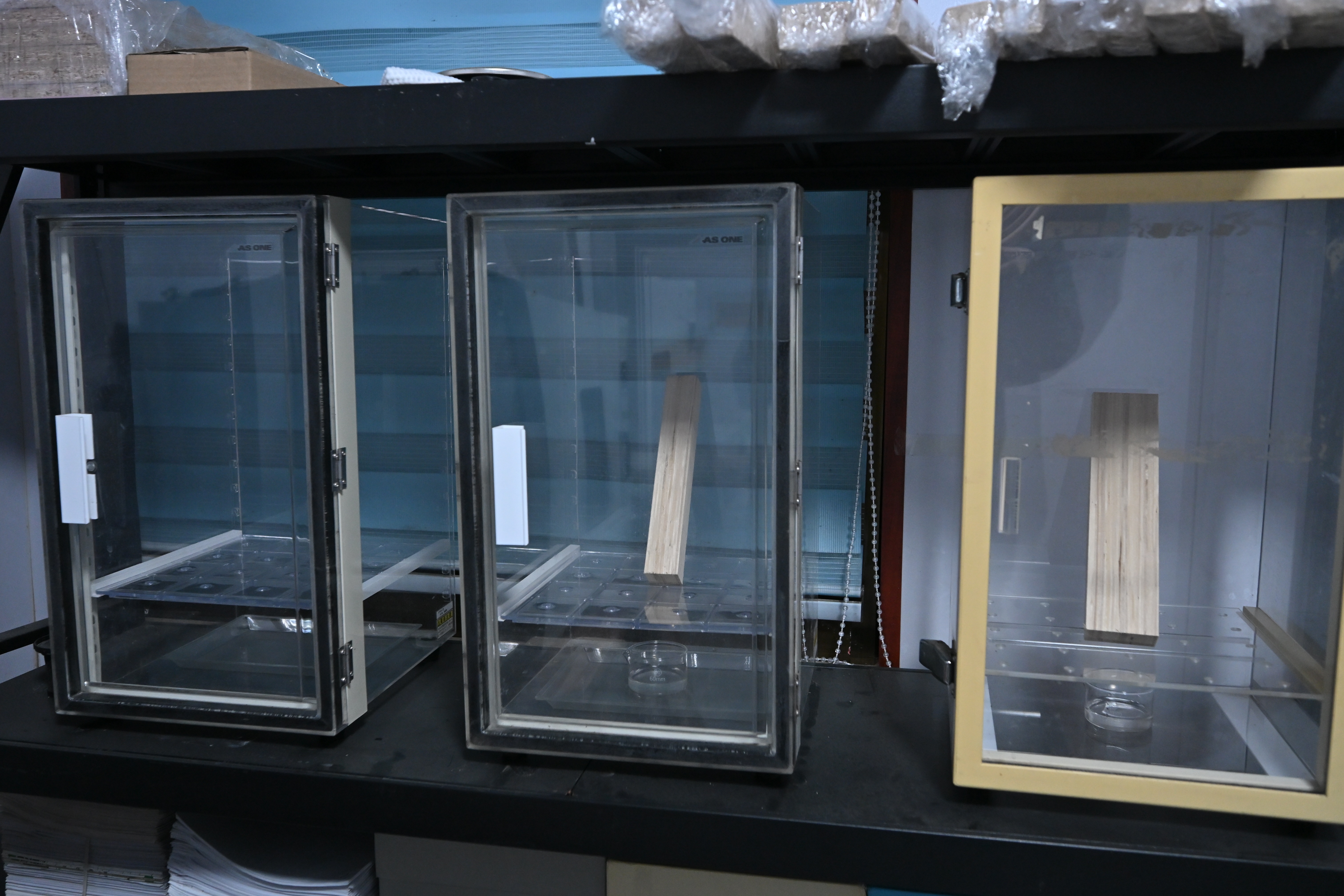
A dual-path partner keeps the panel specification and the production process under one responsibility.
Frequently Asked Questions
Does an in-house production line remove certification requirements?
No. Certification follows the panel into its destination market, not the machine that produced it. Wood-based panels used in construction must comply with the harmonized European standard EN 13986 to qualify for CE marking, and the US EPA TSCA Title VI regulation limits formaldehyde emissions to 0.11 ppm for MDF and 0.05 ppm for hardwood plywood. WADA's panel products are certified to FSC, EUDR, CARB P2, EPA, and JAS & JIS, so a buyer can start with compliant finished panels and add production capability later without building a compliance system from zero.
What does a full-process log-to-finished-board solution include?
It means one partner covers both the panel and the process behind it: 10+ panel categories and 15+ types of machinery, running from log intake through to finished board, with production planning and unified line support under clear responsibility. A panel-only supplier typically offers 5–6 panel products with no production equipment or system integration, so a buyer following that route would have to source machinery separately and integrate the line itself.
Is investing in a production line cheaper than buying finished panels?
There is no universal answer, which is why cost is framed as flexibility rather than as a ranking. Customers can choose between buying panels directly or investing in production lines, optimizing cost based on their business stage. Where a line earns its place is labor and efficiency: WADA's production line solutions help customers reduce labor by 30–50% and improve efficiency through automation and process optimization, while suppliers that do not participate in production offer no efficiency or energy improvements.
How can we validate quality before committing to either path?
Start with finished panels: place a first order at the 1x40' container MOQ and inspect it against your own specification. Every shipment passes 100% inspection and multi-stage QC, supported by a 25-engineer R&D team and workers with more than 10 years of experience in the timber industry. Panel orders also run on stable long-term sourcing, so the substrate approved in a sample is the substrate repeated in production — and that approved specification then becomes the baseline for any later line project.
What are the MOQ and lead time for finished wood panels?
A 1x40' container is the minimum order quantity and the standard lead time is 25–45 days, backed by 10,000+ CBM of monthly panel capacity and long-term supplier relationships that reduce raw material fluctuation. If you want to review the full panel range and the production line portfolio before deciding, download the WADA GROUP company brochure (PDF) or send your specification to wada@wadatrade.com for a quotation and a sample arrangement.
Conclusion: Apply the Stage Rule, Then Re-Test It Annually
The decision resolves cleanly once it is framed by stage. Buy finished wood panels if you resell, if your substrate mix changes between orders, if you cannot staff 100% inspection and multi-stage QC in-house, or if your annual consumption does not justify fixed capital. Invest in a production line if your consumption is stable and concentrated in a few substrates, if you have the technical team to run and maintain it, and if labor and process efficiency are the constraint holding your margin down. Stage the transition when neither statement is fully true — buy panels first, prove the specification, then build against the highest-volume substrate.
WADA GROUP has operated on both sides of that line since 2010, from a 53,950 m² manufacturing base with 200 employees and a 25-engineer R&D team, exporting 100% of its output to more than 50 countries. Its portfolio includes 10+ panel categories and 15+ types of machinery, so a buyer can evaluate finished panels and a production line scope through the same supplier, with unified responsibility either way.
Next step: test both paths against your own numbers
Send your panel specification or your production plan, and WADA GROUP will respond with either a finished-panel quotation or a production line scope. Download the full portfolio here: WADA GROUP brochure (PDF).
Email: wada@wadatrade.com · Tel / WhatsApp: +86 131-3003-0584 · Website: www.wadaplywood.com
Dalian WADA International Trading Co., Ltd. — Room 702, Building A, Xinghai International Financial Center, No.13-15, Area A Xinghai Square, Shahekou District, Dalian, China.
Have Questions or Need More Details?
Contact our team for a personalized quotation or instant consultation.
Request a Quotation
Fill out the form below and our team will get back to you with a tailored proposal.
WhatsApp Direct Chat
Prefer to chat in real-time? Message us on WhatsApp for instant assistance & quick answers.
- Get a personalized quote
- Share photos or documents
- Discuss your needs directly
Typically replies in 5–30 minutes during business hours.