
Wood Panel Sourcing FAQs: Lead Times, MOQs, and After-Sales Support Explained
Three commercial terms answer most of the questions buyers raise before placing a wood panel order with Dalian WADA International Trading Co., Ltd.: the minimum order quantity is one 40-foot container (1 × 40'), production lead time is 25 to 45 days from order confirmation, and after-sales support is delivered through remote support together with available OEM and ODM services. Technical questions — plywood or MDF, which thickness, which glue — are usually settled first. These three terms settle the calendar and the cash flow, and they decide whether a first shipment becomes a repeat program.
Dalian WADA International Trading Co., Ltd. (WADA GROUP) is a manufacturer and global exporter of engineered wood products, established in 2010 and operating a 53,950 m² manufacturing facility with approximately 200 staff and an R&D team of 25 engineers. Its main products are LVL, plywood, veneered board, MDF, OSB, wall panel and woodworking machines, exported to more than 50 countries and regions, with major markets in North America, the EU, Australia, Japan, South Korea, the Middle East, Mexico and South America.
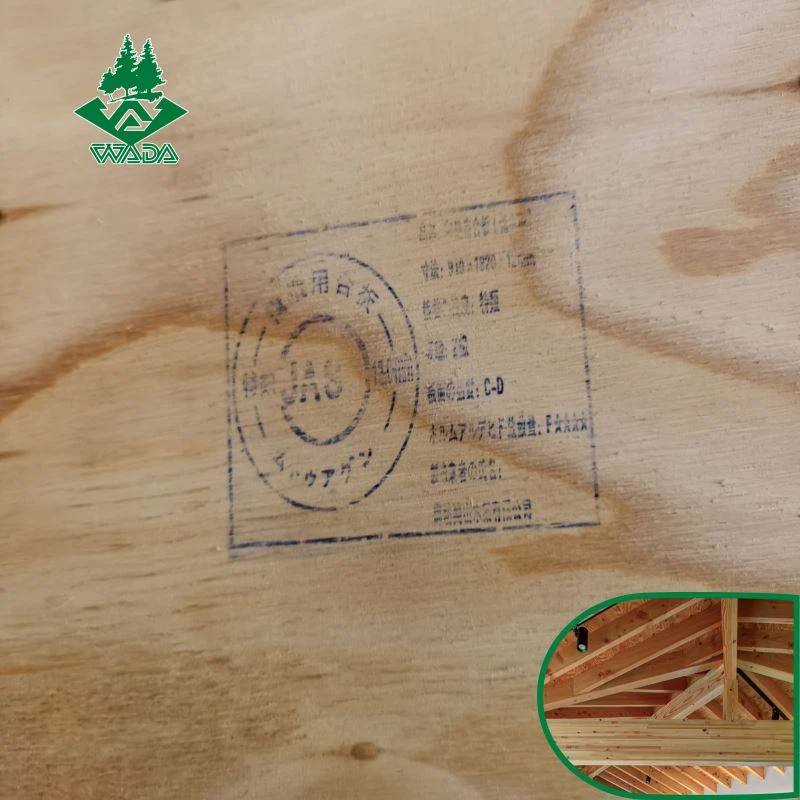
Problem Definition: Why Commercial Terms Are Usually Learned Too Late
A wood panel purchase is decided in two stages, and buyers often run them in the wrong order. The first stage is technical: does the panel meet the application and the destination market's rules? That is where plywood, MDF, LVL, melamine board and veneered board are compared, and where thickness ranges, glue types and certifications are checked. The second stage is commercial: what is the minimum order quantity, when will the panels be produced, and what support continues after delivery?
Running the technical stage first is understandable — the panel has to be fit for purpose. The difficulty is that the commercial stage then forces a plan change instead of informing a plan. A buyer who assumed pallet quantities discovers that the ordering unit is a 40-foot container. A project team that built an installation schedule around a short turnaround discovers that production takes 25 to 45 days. A distributor who expected on-site service discovers that support is remote, and that the way to change a specification is through an OEM or ODM program rather than a site visit.
None of these terms is unusual in the engineered wood trade. The real risk is sequence: a commercial term learned after the specification is locked and the schedule is published becomes a delay rather than a decision input. The three questions below are therefore placed at the front of the process, where they belong.
Industry Background: A Container-Scale, Documentation-Heavy Category
Engineered wood panels are traded internationally at container scale, and demand keeps expanding. The global plywood market was valued at USD 80.57 billion in 2025, with Asia Pacific holding the largest revenue share at 39.4% (Grand View Research). The global MDF market is projected to grow from USD 44.96 billion in 2025 to USD 82.24 billion by 2033, a CAGR of 8.2% (Grand View Research). Oriented strand board production reached over 32 million cubic meters globally in 2024 (Market Reports World). Published valuations differ between research firms depending on how sub-categories such as plywood, MDF and OSB are aggregated, so any single figure is best read as an estimate of scale rather than a precise total.
Two structural features of this category shape the commercial terms. First, panel is bulky relative to its value, so it moves in container loads and is quoted, packed and scheduled by container. Second, it is a regulated product. Composite wood panels entering the United States fall under EPA TSCA Title VI, which sets formaldehyde emission limits of 0.11 ppm for MDF and 0.05 ppm for hardwood plywood, while wood-based panels used in construction in the European Union must comply with the harmonized standard EN 13986 for CE marking eligibility. Compliance paperwork therefore travels with the shipment, and preparing it belongs inside the production window, not to the week the vessel sails.
The Commercial Framework in Detail
Minimum Order Quantity: One 40-Foot Container
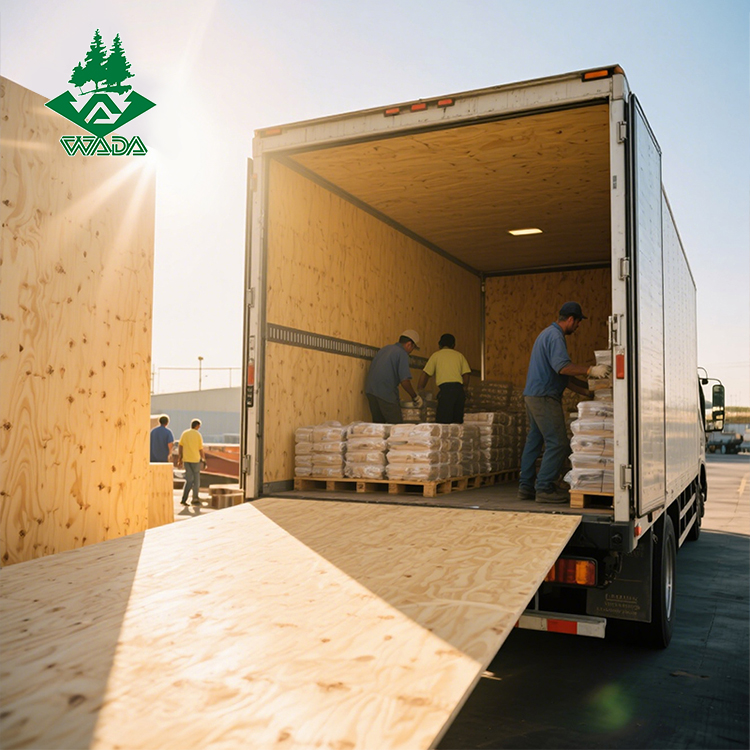
The minimum order quantity is one 40-foot container. That single sentence has four practical consequences for planning.
- The ordering unit is a container, not a pallet, a bundle or a single sheet. Buyers who need only a few panels for a small job sit outside the standard export program's ordering unit.
- Container loading is also the packing decision. Several panel families in the export program are supplied in export standard pallet packing or loose packing, selected against the buyer's unloading equipment and storage conditions.
- The panel count per container is not a fixed number. It depends on thickness, panel size and panel family, so panel count and price are confirmed together at quotation stage rather than published as a fixed list.
- Customized specifications follow the same order unit. Panels produced through an OEM or ODM program still ship as a container order; the specification detail changes, not the commercial unit.
Because the container is both the order unit and the loading plan, the MOQ question and the packing question are best answered in the same conversation, at quotation stage, with the specification already in writing.
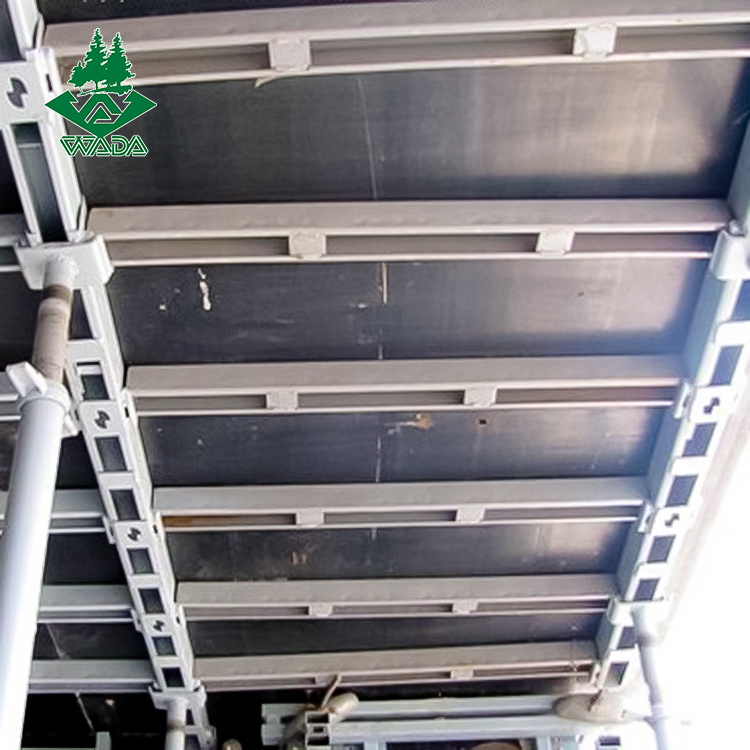
Production Lead Time: 25 to 45 Days
Production lead time is 25 to 45 days from order confirmation. That window covers production only; ocean transit, destination port handling and customs clearance sit outside it and are planned separately.
Where an order lands inside the 25–45 day range depends on a small number of variables that buyers can influence before confirmation:
- Specification completeness. Production is scheduled only when thickness, size, face/back veneer or film, core, glue and grade are fixed. As an example of the detail involved, the MDF program covers thicknesses from 1.2 mm to 50 mm and sizes from 4×8 to 8×16 feet, with density from 500 to 1000 kgs/m³ and glue in E0, CARB P2 or E1. Any change to those values after confirmation restarts part of the production planning.
- Standard or custom route. Catalog specifications that already sit in the production program move differently from OEM or ODM items that involve surface, size or build-up changes.
- Documentation readiness. FSC, EUDR, CARB P2, EPA, JAS and JIS documents, plus destination-specific requirements such as EU CE marking under EN 13986 or US TSCA Title VI evidence, are prepared against the shipment. Missing buyer information — consignee details, labelling, market declarations — holds the file even when the panels are ready.
- Panel family and production method. MDF, for example, is produced by continuous flat pressing on Difenbach and Sinbelkamp (Germany) equipment, and a continuous line has its own scheduling rhythm. This is one reason a manufacturer asks for a confirmed specification before giving a date rather than answering with an estimate.
- Confirmation timing relative to the order book. A confirmed order enters the queue on the day it is confirmed; a quotation still under internal review is not yet in the queue.
After-Sales Support: Remote Support Plus OEM and ODM Services
After-sales support has two parts, and both are remote-first.
Remote support covers the questions that continue after the container has left: order and shipment follow-up, clarifications on documentation, and application questions such as which glue grade suits a humid interior or how a panel build-up performs in a specific assembly. Sales, QC and technical teams work with export accounts across time zones, so this support runs through email, messaging and calls rather than on-site visits — which is why buyers should decide early who on their side owns technical questions.
The second part is structural rather than reactive. OEM and ODM services let a buyer change what is produced instead of only asking about what was already produced: OEM services manufacture panels to a buyer's specification and brand, while ODM services bring supplier engineering into developing that specification. WADA's R&D team of 25 engineers and its in-house QC organization — a quality inspection team, a technical team, and workers with more than ten years of experience in the timber industry — sit behind this capability, and all products support personalized size and surface customization.
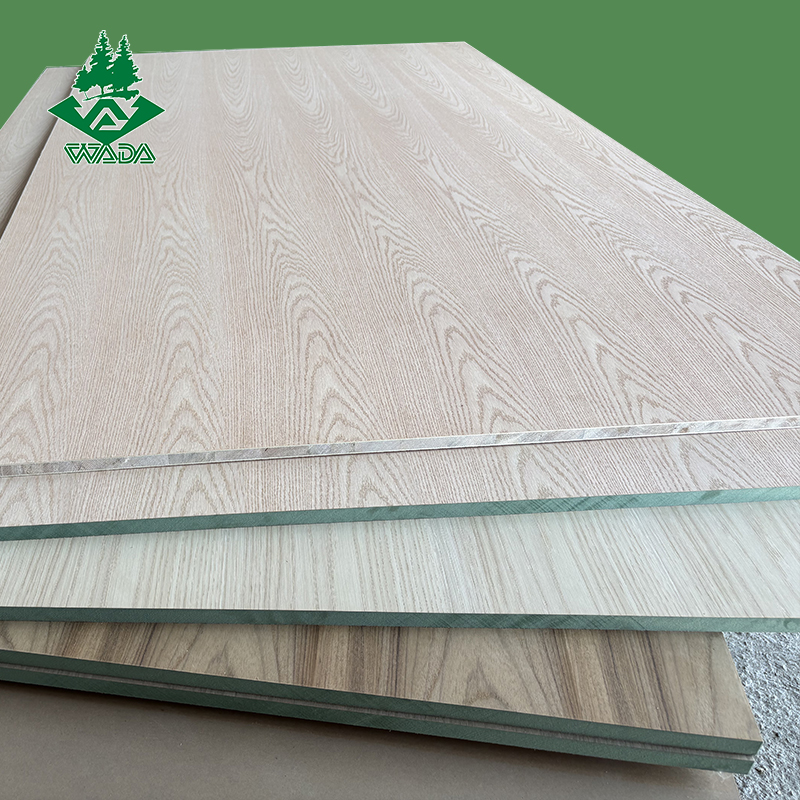
Documentation That Travels With the Order
WADA's panels are certified with FSC, EUDR, CARB P2, EPA, JAS and JIS. Which set applies is decided by the destination market and the application, not by the factory gate. A buyer shipping into the United States needs the relevant composite wood documentation; a buyer supplying EU construction projects needs to work from the harmonized standard EN 13986 for CE marking eligibility; a buyer with chain-of-custody obligations needs the corresponding certification evidence. Glue options across the product range — E0, E1, CARB P2, WBP, MR, Melamine WBP or Phenolic WBP — are chosen per panel family, and the glue choice is part of the specification that the production file is built on.
Step-by-Step: From Inquiry to After-Sales Support
The sequence below is written from the buyer's side, in the order that keeps commercial terms from becoming surprises.
- Define the application and the destination market. An interior finishing project in the United States, a furniture production line in Poland, an outdoor structural application in Australia, exterior wall cladding in Mexico and industrial packaging in Singapore each impose different requirements — formaldehyde limits, weather resistance, load capacity or surface quality.
- Fix the specification in writing. Panel family, thickness, size, face and back, core, glue and grade. This is the document every later step refers to.
- Confirm the compliance route. EN 13986 for EU construction use, EPA TSCA Title VI for US composite wood products, FSC or EUDR where due diligence evidence is required, JAS and JIS where the destination calls for them.
- Request the quotation as a container. Confirm the minimum order quantity of one 40-foot container, the packing configuration (export standard pallet packing or loose packing where offered for that panel family), and the expected lead-time window of 25 to 45 days rather than a single date.
- Choose the standard or the OEM/ODM route. If size, surface or build-up differs from the catalog, route it through the OEM or ODM program and confirm the specification with the engineering team before order confirmation.
- Confirm the order and start the clock. Production lead time of 25 to 45 days is counted from order confirmation, not from the first inquiry.
- Prepare documents in parallel, not afterwards. Consignee details, labelling instructions, certification copies and market declarations are collected while the panels are in production.
- Plan freight and clearance separately. The 25–45 day window ends at production completion; booking, transit and destination clearance follow their own timelines.
- Use after-sales support as a feedback loop. Remote support resolves application and documentation questions after delivery, and the feedback from a first container usually shapes the specification of the second.
Use Cases: How the Same Terms Play Out in Different Markets
Furniture production in Poland (continuous workshop production). Cabinet and panel making under continuous production conditions calls for a smooth surface and a stable core, which points toward melamine board (2–30 mm), veneered board (2–25 mm) and MDF (1.2–50 mm). Here the MOQ of one 40-foot container works as a replenishment unit, and the practical planning question is not whether a container can be filled but how the 25–45 day production window lines up with the factory's consumption rate.
Interior finishing in the United States (indoor dry environment). Interior finishing work uses panels as wall, kitchen and furniture material in permanent installations, and the recurring requirement is eco-friendly, formaldehyde-free material. Because the specification is locked for the life of the project, buyers benefit from fixing the glue grade and certification route at quotation stage, before the container order is confirmed.
Building construction in Australia (outdoor structural use). Outdoor structural applications demand waterproof, high-strength panels used in long-term service, which is the working environment of film faced plywood (4–35 mm) and structural plywood (9–28 mm). Projects of this type are scheduled backwards from installation dates, so the 25–45 day production window has to be mapped onto the construction program rather than treated as a shipping detail.
Exterior wall cladding in Mexico (UV exposure, long-term outdoor use). Decoration and protection under UV exposure requires UV-resistant and weather-resistant panels used with a dedicated installation system and fasteners. Because specification is fixed once the cladding system is designed, any later change — surface, thickness, build-up — is an OEM or ODM conversation rather than a standard reorder.
Industrial packaging in Singapore (heavy-duty transport). Crating and protection under heavy-duty transport conditions require high load capacity and one-time or reusable operation, which is where commercial plywood (2–25 mm) is typically applied. Packing material is consumed at a predictable rate, so the container MOQ and the production window are usually the only two variables that matter.
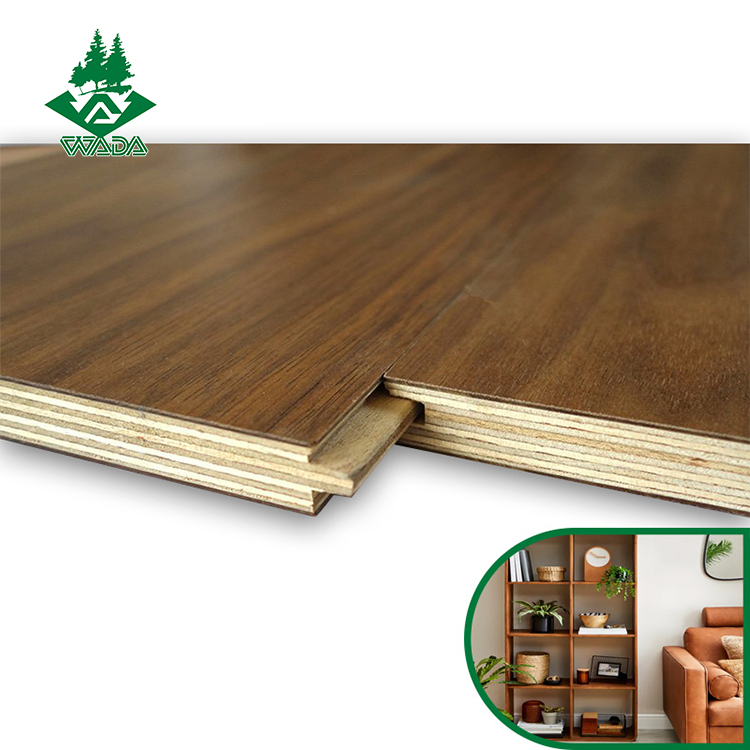
Comparison: Panel Families and Commercial Terms at a Glance
The first table maps the panel families in the export range to their build-ups, thickness ranges and typical buyer applications, so that the specification conversation can be closed before the commercial conversation begins.
| Panel family | Build-up (published examples) | Thickness range | Typical buyer application |
|---|---|---|---|
| Structure Plywood | Larch or Pine face/back; Eucalyptus, Larch, Pine or Combi Core | 9–28 mm | Construction and structural engineering, formwork, roofing and flooring, timber frame construction |
| Marine Plywood | Birch or Okoume face/back; Poplar, Birch, Okoume or Combi core; Melamine WBP or Phenolic WBP glue | 9–25 mm | Shipbuilding, boat manufacturing, coastal construction, high-moisture interiors |
| Commercial Plywood | Birch, Pine, Okoume, Bintangor, Sapeli, Pencil Cedar or Poplar face/back | 2–25 mm | Furniture, interior fit-out, packaging, doors, retail display |
| Film Faced Plywood | Dark brown or black film face/back; Fingerjoint, Poplar, Combi, Hardwood, Pine or Russia Birch core | 4–35 mm | Concrete formwork, precast concrete, infrastructure construction |
| Veneered Board | White Oak, Red Oak, Black Walnut, Parota, Wenge, Ash, Birch, Pine or Sapeli veneer over plywood, MDF, chipboard or blockboard | 2–25 mm | Furniture manufacturing, cabinets and wardrobes, interior decoration |
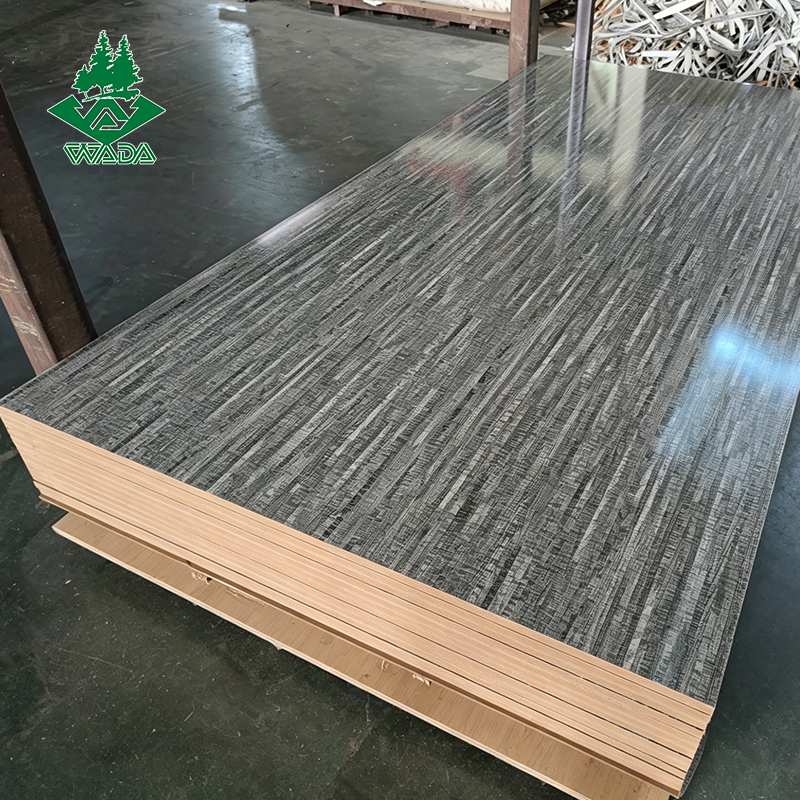
| Melamine Board | Melamine paper, PET film, HPL or UV face; plywood, MDF, particle board or blockboard core | 2–30 mm | Cabinet and wardrobe manufacturing, fit-out, modular furniture |
| MDF | Wood fibre, continuous flat pressing | 1.2–50 mm | Furniture board, routed board, lightweight high-strength board, waterproof board |
| LVL bed slat | Birch, Beech or Poplar face/back; Birch or Poplar core | 7–15 mm | Bedroom furniture, hospitality furniture supply, e-commerce furniture |
The second table answers the three commercial questions directly, with the variable that decides the exact outcome in each case.
| Buyer question | Standard answer | What decides the exact outcome |
|---|---|---|
| What is the minimum order quantity? | One 40-foot container | Packing configuration and loading plan for the chosen panel family; confirmed at quotation stage |
| How long is production lead time? | 25 to 45 days from order confirmation | Specification completeness, standard versus OEM/ODM route, documentation readiness, position in the production schedule |
| Can a specification be validated before a full container is committed? | The standard order unit is one 40-foot container; specification validation is handled at quotation stage | Whether the specification is a catalog item or a custom build-up |
| Is customization available? | Yes — OEM and ODM services; all products support personalized size and surface customization | Specification detail, engineering review, surface and size changes |
| Which certifications apply? | FSC, EUDR, CARB P2, EPA, JAS and JIS | Destination market and application, including EU construction use and US composite wood requirements |
| What after-sales support is included? | Remote support plus OEM and ODM program access | Application complexity and who owns technical questions on the buyer's side |
| Is freight included in the lead time? | No — the 25–45 day window covers production only | Booking timing, routing and destination clearance |
Frequently Asked Questions
Which certifications and compliance documents come with a wood panel order?
WADA's panels are certified with FSC, EUDR, CARB P2, EPA, JAS and JIS, and the applicable set depends on the destination market and the application. Composite wood panels entering the United States fall under EPA TSCA Title VI, which sets formaldehyde emission limits of 0.11 ppm for MDF and 0.05 ppm for hardwood plywood. Wood-based panels used in construction in the European Union must comply with the harmonized standard EN 13986 for CE marking eligibility. Glue options across the range include E0, E1, CARB P2, WBP, MR, Melamine WBP and Phenolic WBP, selected per panel family. Because documentation is prepared inside the production window, the required documents should be confirmed at quotation stage.
Does WADA support OEM and ODM programs, and how do they affect an order?
Yes. OEM services manufacture panels to a buyer's specification and brand, while ODM services bring supplier engineering into developing that specification. Both are supported by an R&D team of 25 engineers and an in-house QC organization, and all products support personalized size and surface customization — veneered boards, for example, can be built with White Oak, Red Oak, Black Walnut, Parota, Wenge, Ash, Birch, Pine or Sapeli faces over plywood, MDF, chipboard or blockboard cores. Custom specifications still ship as container orders, and the production window remains the standard 25 to 45 days once the specification is fixed.
What is the minimum order quantity, and what drives the value of a container order?
The minimum order quantity is one 40-foot container. Because panel is bulky relative to its value, orders are calculated per container rather than per sheet, and the variables that move the number are the panel family, thickness, panel size, face and core specification, glue and grade, packing configuration, and the documentation set required by the destination market. How many panels fit in one container depends on the same variables, which is why panel count and price are confirmed together at quotation stage instead of being published as a fixed list.
Can a specification be validated before committing to a full container?
The standard order unit is one 40-foot container, and specification validation is handled at quotation stage with the technical and QC teams before an order is confirmed. That stage is where thickness, size, core, glue and documentation are fixed, and where the OEM or ODM route is selected if the catalog specification does not match the project. Buyers who are new to a panel family should treat quotation stage as the validation step rather than discovering the build-up only after the container arrives.
How long is production lead time, and what is not included?
Production lead time is 25 to 45 days from order confirmation, and the window covers production only. Ocean transit, port handling and customs clearance are planned separately. Where an order lands inside the range depends on specification completeness, whether the order follows a standard or an OEM/ODM route, documentation readiness — FSC, EUDR, CARB P2, EPA, JAS, JIS and market-specific requirements such as EU CE marking under EN 13986 or US TSCA Title VI evidence — the panel family's production method, and how far ahead the order is confirmed against the production schedule.
What after-sales support is available after the container ships?
After-sales support is remote-first. Order and shipment follow-up, documentation clarifications and application questions are handled through WADA's sales, QC and technical teams by email, messaging and calls. For buyers whose requirements change over time, OEM and ODM services provide a structured way to modify size, surface or build-up for the next order instead of starting a new supplier search. To start that conversation, buyers can request a quotation or a specification review and download the WADA Group catalogue at https://cdn.socialarks.com/sbsp/24890/common/2026/0604/%28%E5%B7%B2%E7%98%A6%E8%BA%AB%29Wada%20Group.pdf
Next Step
Send the panel family, thickness, size, glue and destination market, and WADA will confirm the specification, the minimum order quantity of one 40-foot container, and the 25–45 day production window for your order.
Email: wada@wadatrade.com | Tel / WhatsApp: +86 131-3003-0584 | Website: www.wadaplywood.com | Catalogue: WADA Group PDF
WADA GROUP — Room 702, Building A, Xinghai International Financial Center, NO.13-15, Area A Xinghai Square, Shahekou District, Dalian, China.
Conclusion: Confirm Three Things Before You Commit
Wood panel sourcing is decided by specifications and lived by commercial terms. For orders placed with Dalian WADA International Trading Co., Ltd., the three terms to confirm before committing are a minimum order quantity of one 40-foot container, a production lead time of 25 to 45 days from order confirmation, and after-sales support delivered through remote support plus OEM and ODM services for specification changes. Confirm all three at quotation stage, together with the certification route for the destination market, and the technical selection stays a decision instead of becoming a delay.
Have Questions or Need More Details?
Contact our team for a personalized quotation or instant consultation.
Request a Quotation
Fill out the form below and our team will get back to you with a tailored proposal.
WhatsApp Direct Chat
Prefer to chat in real-time? Message us on WhatsApp for instant assistance & quick answers.
- Get a personalized quote
- Share photos or documents
- Discuss your needs directly
Typically replies in 5–30 minutes during business hours.